




Whether you’re a homeowner or renting a property, the safety solutions you need for your home are the same; you’ll want to protect your property and all the things in it, including your belongings and family. And the dangers faced are the same too; fire, theft, damage, leaks.
So, let’s start with the most important element – keeping your family safe within the home. There are a few things you need to do to ensure the safety of your loved ones so tick each of these elements off your protection checklist:
Fit fire alarms
Make sure you have quality fire alarms installed in all areas of your home, as discussed in these government recommendations. Alarms are essential to detect any smoke, rapid temperature spikes and gases from a fire to alert you and your family to the danger.
But it’s not enough to just install fire alarms – you should also regularly test them to check they are working and change the batteries whenever needed. I always keep an extra battery to hand so that I can instantly replace it when that ‘low battery’ warning beep occurs.
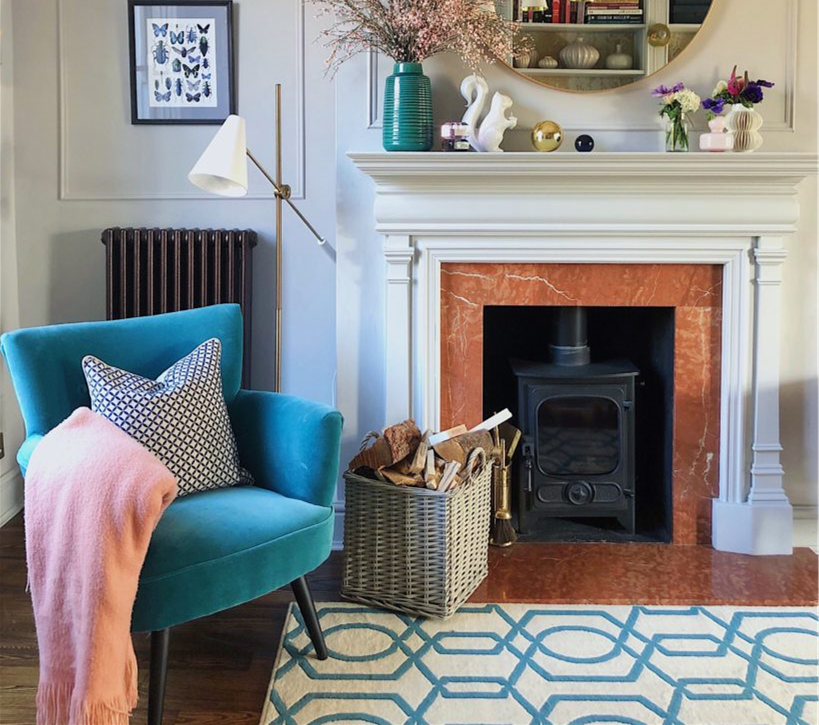
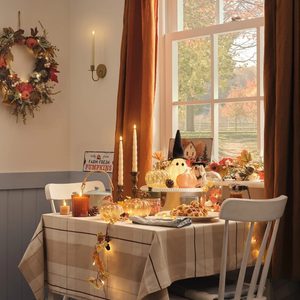
Image by Melanie Lissack Interiors
Install carbon monoxide detectors
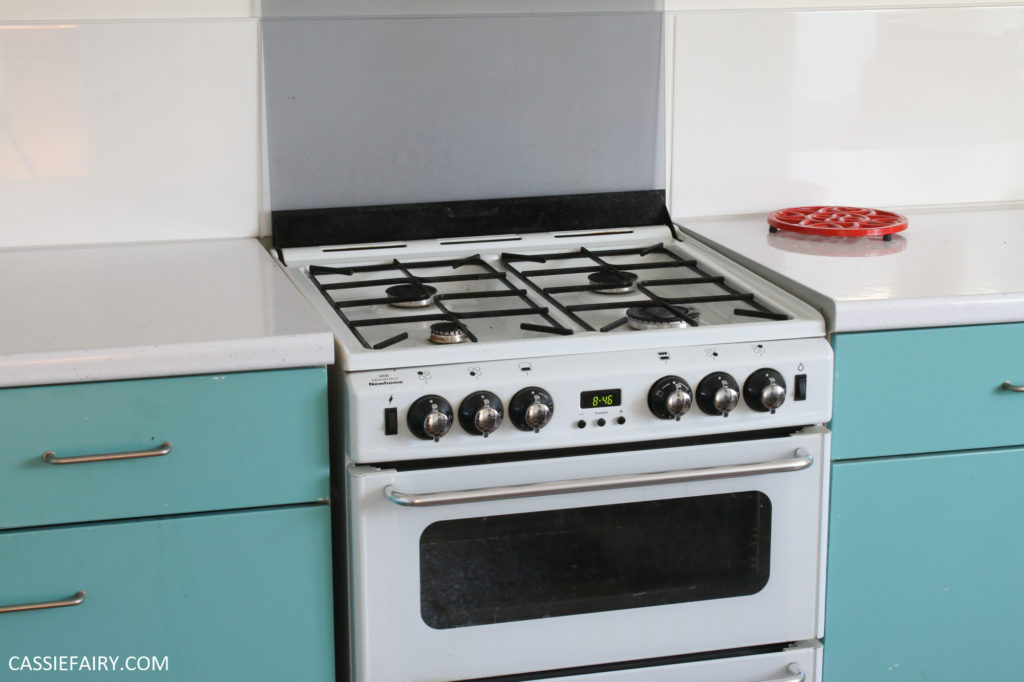
If you have gas or oil central heating in your home or are cooking with a gas-fired oven, you’ll need a detector to monitor leaks or a gas build-up. The alarm needs to be loud enough to alert you to any danger, even while sleeping.
Also, if you’re burning wood or coal in a fireplace, woodburner or traditional kitchen stove, you’ll need to keep an eye on carbon monoxide levels. Choose a detector that alerts you to even the lowest levels so that you can ventilate the room before it builds up.
Know your cut-offs
Somewhere in your home, you’ll have access to a water shut-off tap and an electricity fuse box. Knowing where these are is essential so that you can act quality when there’s an emergency.
You’ll want to turn off the water supply to the property immediately if a pipe bursts or a fixture spurts. This can prevent flooding and all the damage that comes with it.
It’s also worth reviewing your home insurance policy from time to time to make sure you understand what’s included in your cover. A home insurance quote comparison can help you review your options and find a policy that suits your needs.
Protect your privacy
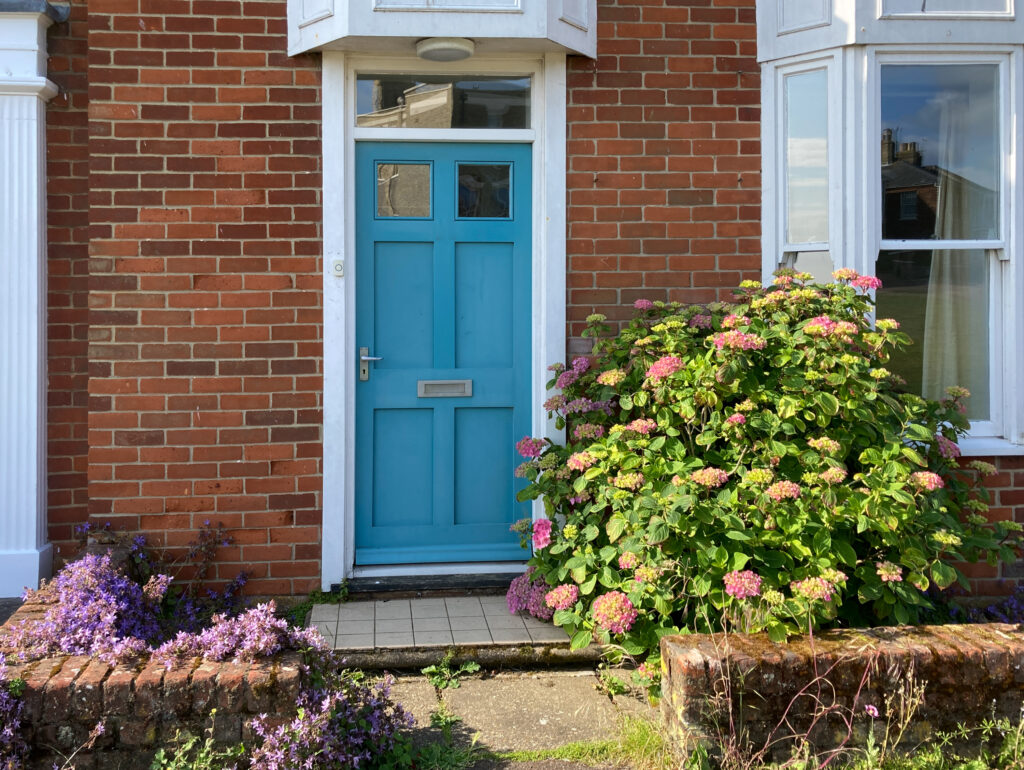
If you live in a particularly busy area (or a remote area, for that matter) and are worried about your privacy, there are many things you can do to keep your home private and safe from prying eyes.
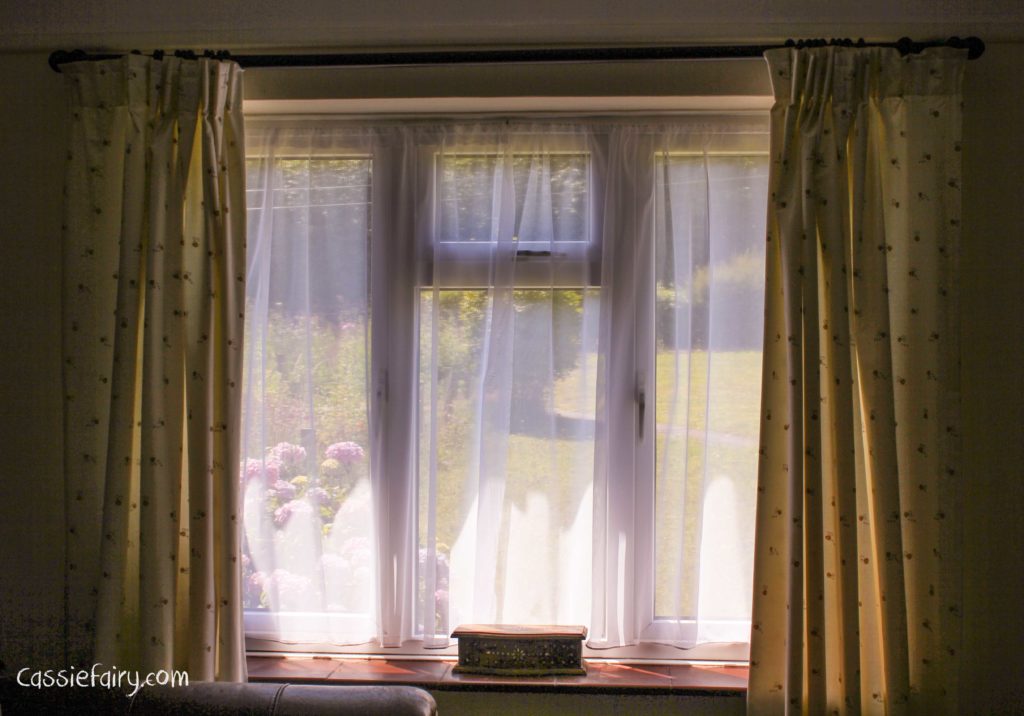
Firstly, let’s make sure no-one can see into your home by installing sheer voiles at the windows, or budget-friendly blinds and curtains. You can even make your own curtains to cut costs – simply stitch a channel across the top of a voile, or sew extra-cheap header tape onto any length of fabric and hang them up.
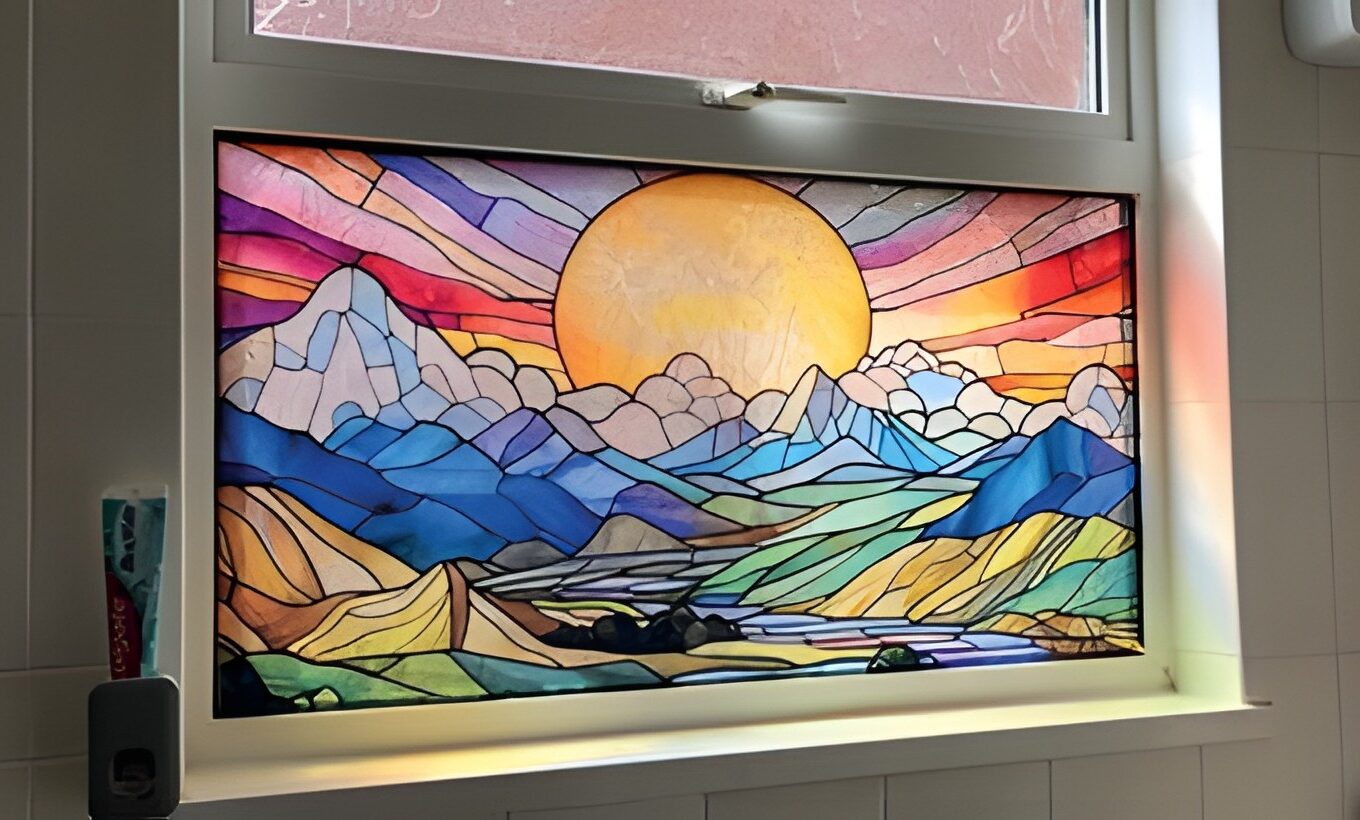
Window coverings are essential for screening the interior and really come into their own at night, when an illuminated room can be seen from outside. This can help to prevent potential break-ins by keeping any valuable belongings out of sight.
Light up your property
Likewise, it’s a good idea to make sure your home looks occupied to deter theft. You can add low-cost smart bulbs to your ceiling lights or plug your lamps into smart sockets and program them to come on at certain times to mimic presence.
This doesn’t have to be solely when you’re on holiday – you can set up a routine of lights to come on and go off each day, so even if you’re just out for the evening, your home looks busy.
Also, illuminating the exterior of your home makes it less appealing for intruders. You can add low-cost solar powered outdoor lights around the garden. I got mine for £1 from The Range and they’re still going strong after a couple of years – I’ve actually just bought more to light up other areas around my patio so I can enjoy the autumn evenings out there.
You can also add a motion-sensor floodlight to your driveway or entrance (as long as it doesn’t glow on your neighbours’ houses) so that the light pings on when someone approaches. This also makes it easier for you to get into your home after dark too – bonus!
Deter with smart tech
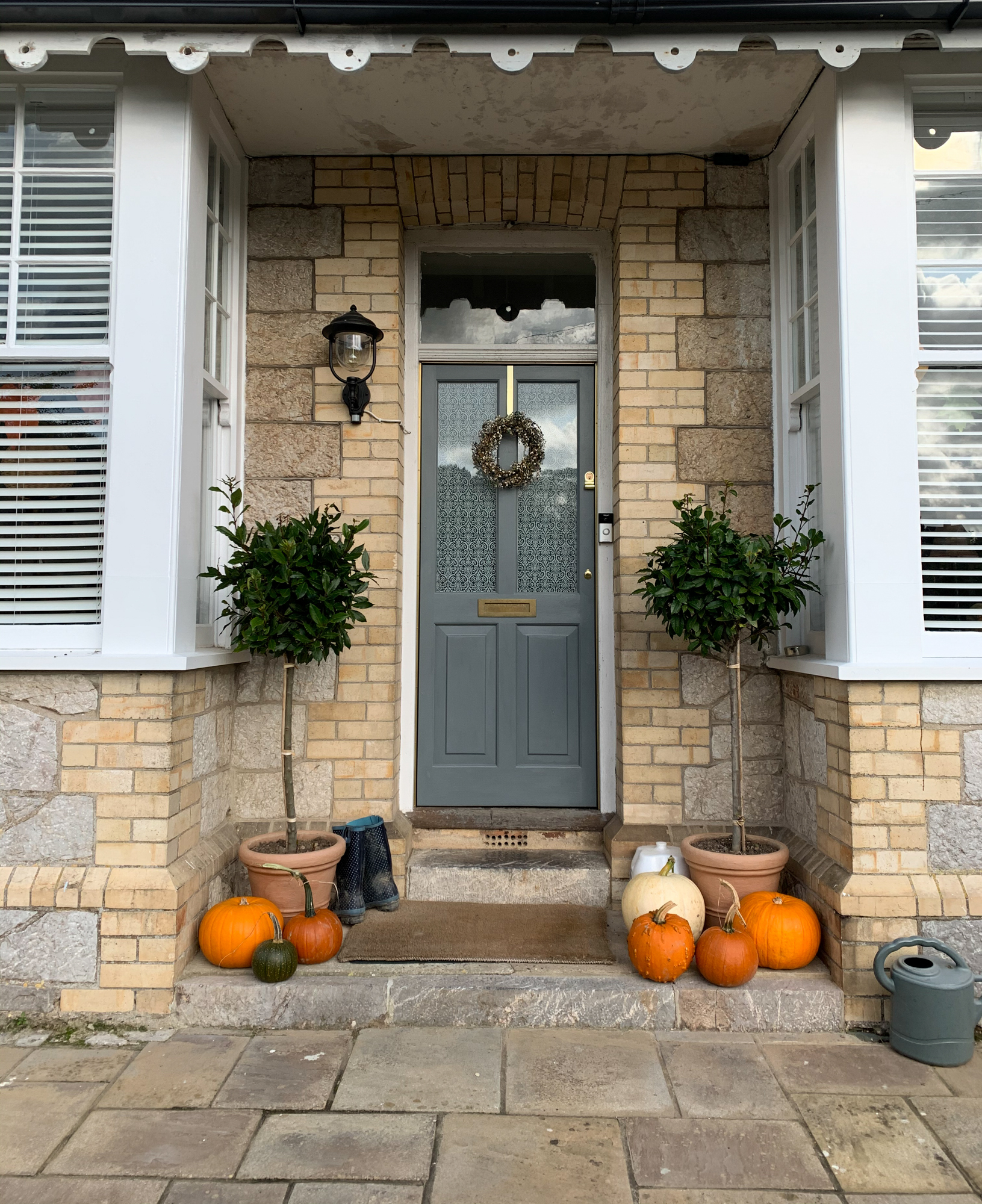
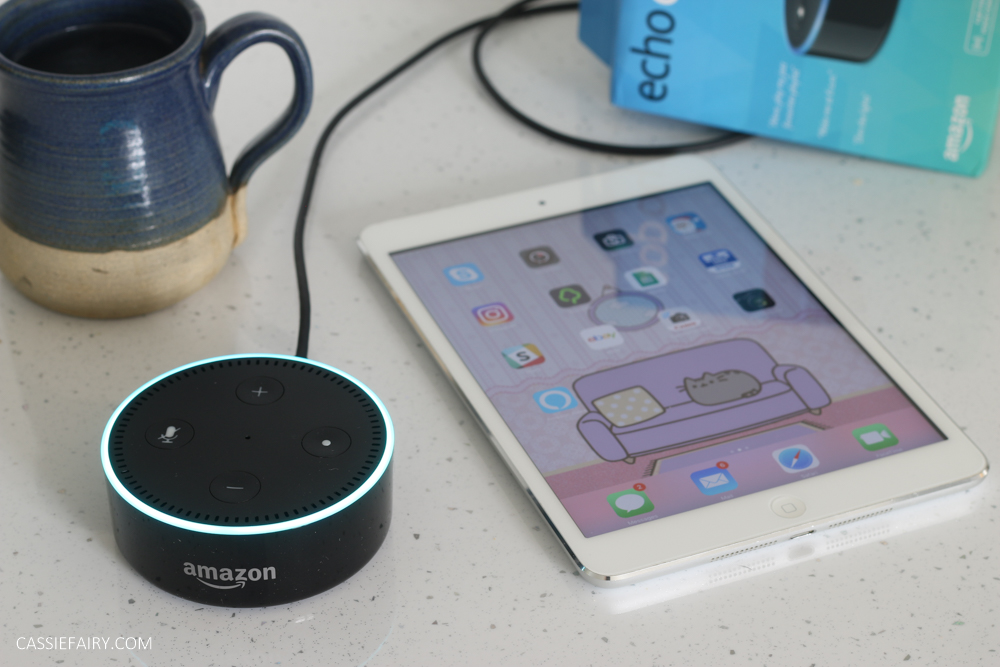
Of course, there are many other smart tech options you can include in your home to make it feel safer. You can use doorbell cameras that record or livestream any movement outside your home and allow you to speak to visitors without being at home.
Plus, you can fit smart cameras or motion sensors inside your home if you want to be alerted to intruders while you’re out of the house. These can also let you keep an eye on your pets to, so that you know they’re safe at home.
I hope these ideas will help you to make your home feel safer and more secure but without spending a small fortune on security and monitoring systems. Let me know what other thrifty options you’ve used in your own home, I’d love to hear your ideas in the comments below.
Pin it for later
This blog post is an advertisement feature that has been written in collaboration with a sponsor. The pink links in this post indicate a sponsored link 🙂