



I’ve lost count of the number of times I’ve replayed a conversation from the day before, convinced I said something odd or missed a cue. It’s amazing how quickly a tiny moment can snowball into a full‑blown mental spiral. Overthinking often arrives disguised as “being prepared,” but really it’s our mind trying to protect us from uncertainty.
Sometimes it’s triggered by big life decisions; other times it’s something as small as a passing comment. Past experiences can nudge us into analysing everything twice, especially if we’ve been criticised or felt embarrassed before. And social situations? They’re practically a playground for overthinking – picking apart what we said, how we sounded, or whether someone misunderstood us.
Recognising these triggers doesn’t magically stop the stress, but it does help us understand why our thoughts behave the way they do. It’s the first step toward stopping overthinking, and it indicates that it’s time to take care of yourself.
Mindfulness for a Clearer Mind
Mindfulness has been one of the most grounding tools I’ve tried. It’s not about sitting cross‑legged on a mountaintop or emptying your mind completely. It’s simply about noticing what’s happening right now, instead of drifting into yesterday or racing ahead to tomorrow.
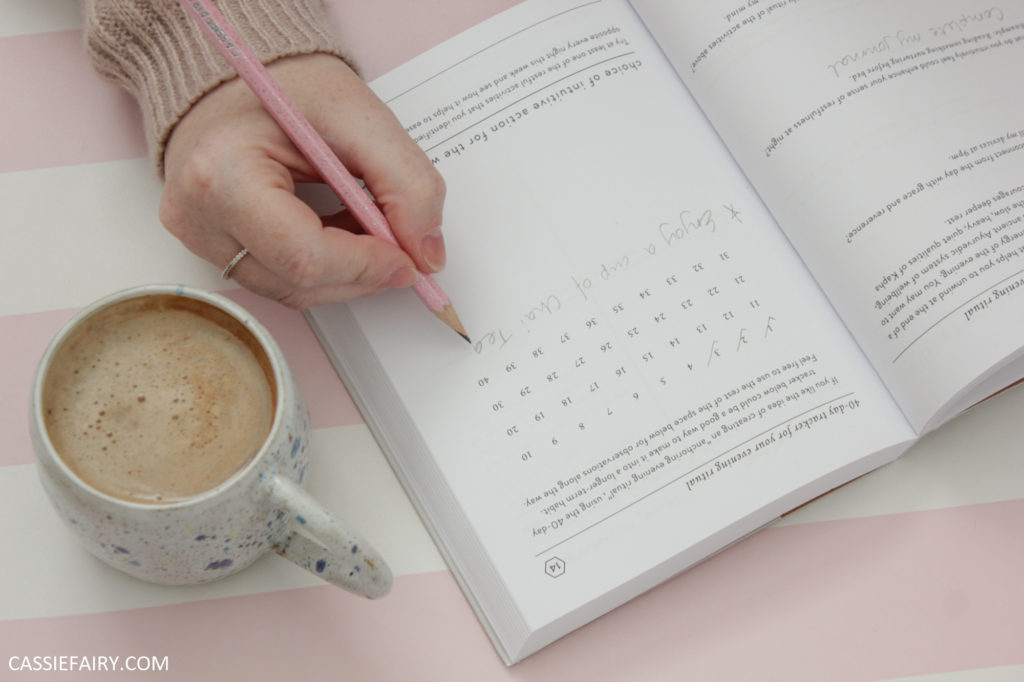
One of the easiest ways to begin is with your breath. I often sit with a cup of tea, close my eyes for a moment, and just follow the rhythm of breathing in and out. When my mind wanders (which it always does), I just refocus on breathing without being hard on myself. You can use an app like Calm, Balance or Headspace to guide you through meditations like this.
Another technique I’ve found surprisingly soothing is the 5‑4‑3‑2‑1 grounding method. The idea is to find five things you can see, four things you can feel, three things you can hear, two things you can smell and one thing you can taste. It pulls you out of your thoughts and into your senses, almost like anchoring yourself back into your body.
Another thing I do if I’m out and about and can’t stop to reset is look for things around me in one particular colour. For example, I choose blue and then list all the things I can see that are blue: a car, road sign, lake, the sky, clothing, the logo on a product and so on. By the time I’ve counted about 20 items, I’ve forgotten what I was stressing about in the first place.

Setting Boundaries With Your Thoughts
It might sound strange at first, but you can set boundaries with your thoughts just like you do with people. One technique that you can use to handle worry is scheduling “worry time.” Instead of letting anxious thoughts interrupt whenever they fancy, you give them a dedicated slot – usually 15 or 20 minutes in the early evening.
If a worry pops up during the day, just mentally note it and tell yourself you’ll come back to it later. It’s surprisingly effective. It stops the worry from hijacking the moment and teaches your mind that it doesn’t get to run the show. You might not even remember what the worry was about when you get to your allocated worry time.
During that worry time, you can write things down, explore possible solutions, or simply acknowledge the feelings. And when the timer ends, you gently shift your attention to something else – a walk, a hobby, a favourite show. It’s a small boundary that creates a great sense of control.

Building a Calmer Mindset Day by Day
Creating a calmer inner world isn’t something that happens overnight – it’s the small, consistent actions that gradually change the way you feel. Making time for yourself to relax and enjoy some mindful activities like reading, meditation or crafting can really help.
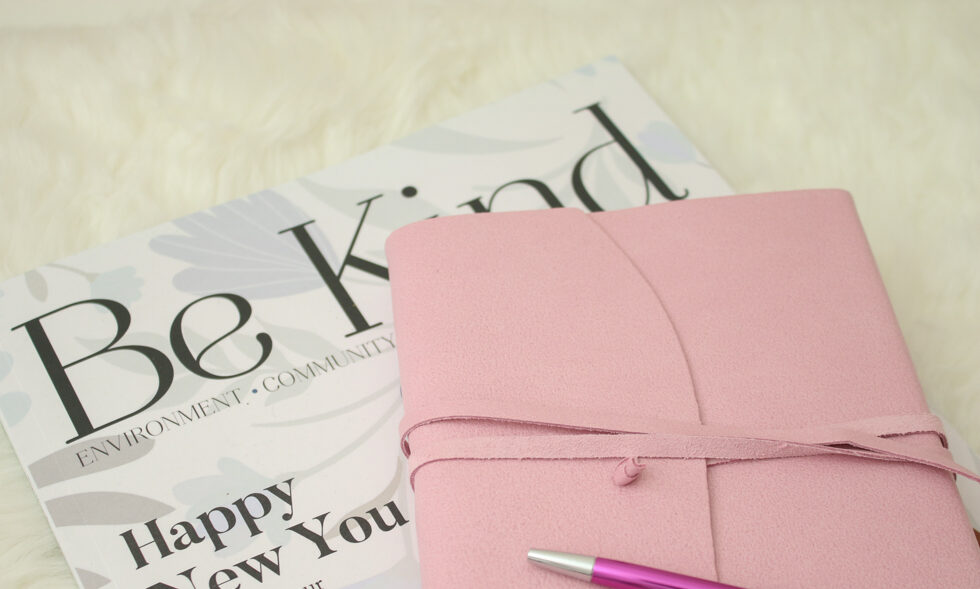
Journaling at night has been one of my favourite tools. Spending a few minutes at the end of the day writing down whatever’s in your mind works as a ‘brain dump’ and lets you sleep more soundly. It gets the thoughts out of your head and onto paper, where they feel less intimidating.
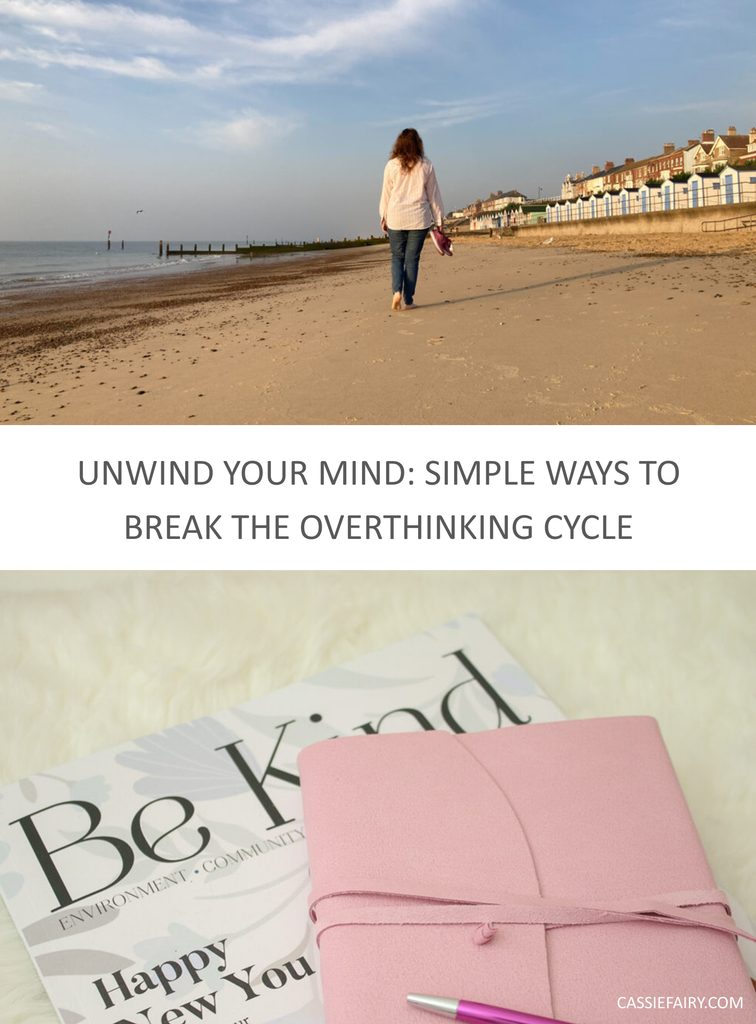
Movement helps too. You don’t need a gym membership or a strict routine. I love going for a short walk in the mornings before work. I’m lucky enough to be able to stroll by the sea and find it really calming, but going anywhere outdoors to get some daylight and enjoy the fresh air will help.
And perhaps most importantly, practice self‑kindness. Overthinkers tend to be their own toughest critics. I know it’s a cliché, but try speaking to yourself the way you’d speak to someone you love. When your brain is being critical, try to switch your inner dialogue to include patience, understanding and gentleness.
When Extra Support Makes a Difference
Of course, sometimes overthinking goes deeper than these simple relaxation exercises can reach. When that’s the case, working with a professional can help uncover the subconscious patterns that keep your mind looping. There’s absolutely no shame in needing more support. When overthinking starts to affect your relationships, your sleep or your daily life, reaching out to a therapist or counsellor like Darren Carter hypnotherapy can really help.
I’ve found that talking with a professional gives you the chance to explore what’s really going on – it helps you to figure it out yourself and make the adjustments you need to ease your worries. I’ve previously studied cognitive‑behavioural therapy (CBT) and this is an effective way to challenge the stories your mind tells you and build resilience for future stressful situations. If your thoughts feel overwhelming, speaking with your GP in the first instance is a strong and positive step forward.

I hope this blog post will help you the next time you find your thoughts spiralling. Every small action you take, whether it’s a grounding exercise, a journal entry, or simply recognising a trigger, is a step toward a calmer life.
I’d love to hear your experiences. Have you tried any of these techniques? Do you have your own ways of easing overthinking? Please let me know in the comments below what’s worked for you; I’d love to learn some new relaxation skills myself! And please check the wellbeing section of my blog for more tips and ideas to look after mental health.
Pin it for later
This article is a sponsored collaboration. The pink links in the content indicate a sponsored link or information source. The blog post reflects my own experience and the sponsor hasn’t had any control over my content 🙂