



I love welcoming wildlife into my garden at all times of the year, but it’s most rewarding during the autumn and the winter. Over these colder months, I know that my efforts to feed the birds, put out water and provide shelter are truly appreciated by the wildlife in my backyard – and can help to keep them safe and cosy when the temperature drops.
If you’d like to help the birds, bugs and hedgehogs to survive the harsh winter to come, here are some easy, practical steps you can take to support the wildlife in your own garden:
Feed the birds
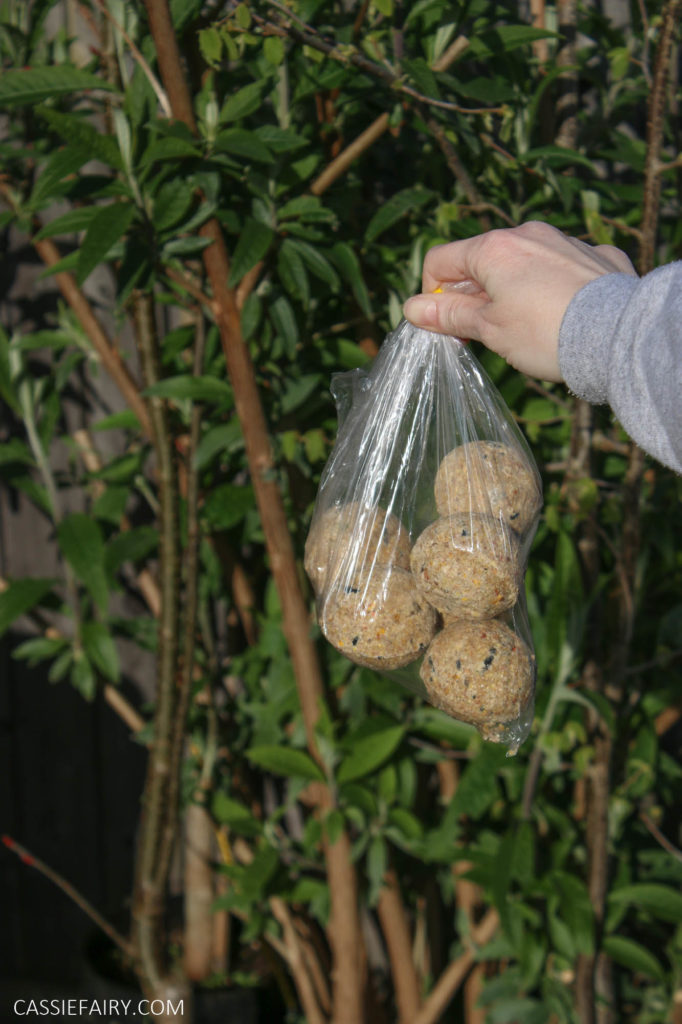
I’ve previously shared 6 easy ways to attract more birds into your garden, including creating safe zones and offering nesting supplies, but the most important factor is feeding the birds, especially over the winter. However, once you start feeding them, it’s important to keep it up, as the birds will start to rely on you as a food source.
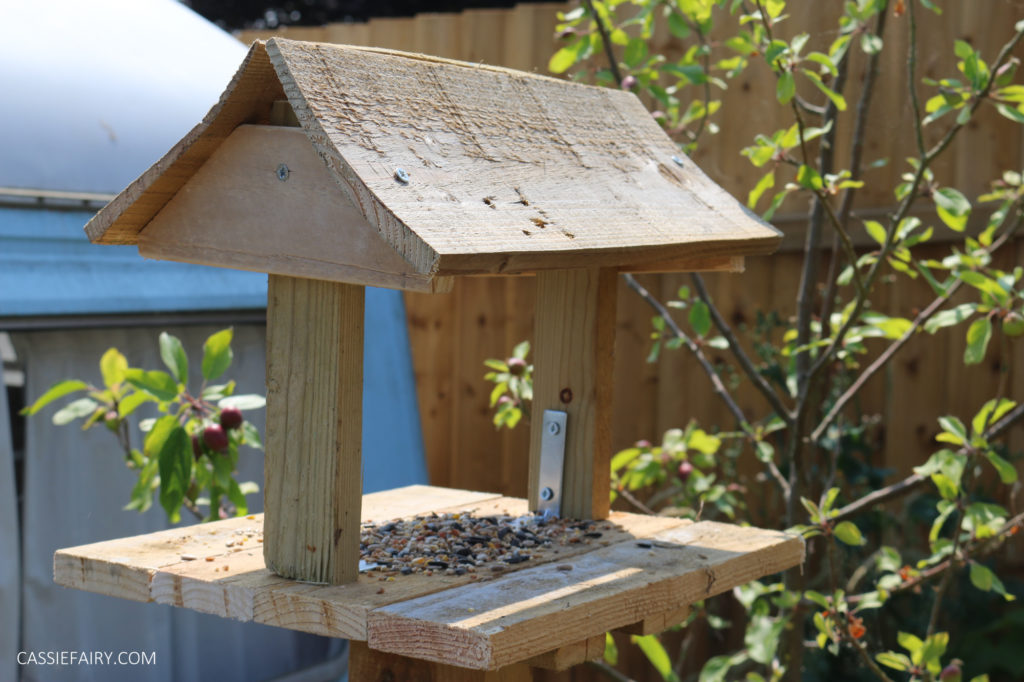
That’s why I’ve always built my own bird tables for my garden – I’ve created them from old offcuts of wood, I’ve used a flagpole from a skip as a base for the table, and I’ve even used an old terracotta drainage pipe to create an elevated platform for feeding.
Anything will work as a feeding area; it doesn’t have to look pretty – you can even just hang a bird feeder filled with seeds in the branches of a tree. The key here is that, as long as the birds feel safe and protected – from predators and pets – they’re more likely to visit your bird table and feeders. Plus, it’s important to provide a water source for drinking.
Provide drinking water
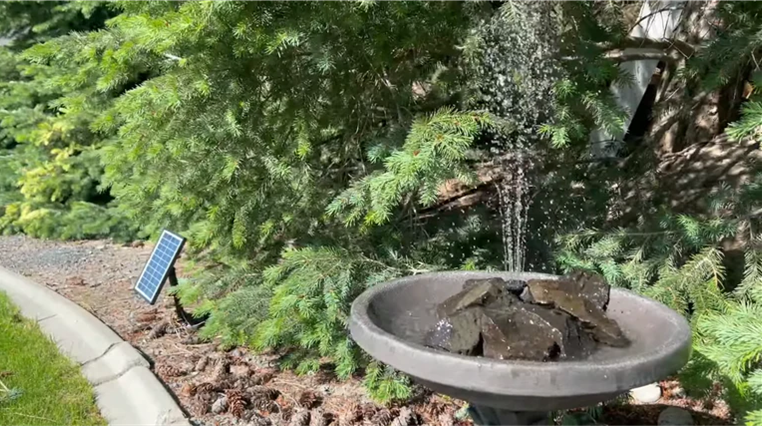
You can fill up a shallow bird bath and make it even more inviting for birds with a water fountain like the one in this DIY project from Poposoap, whose ethos is to create forever homes for every creature. They have shared easy to follow step-by-step instructions to create a bird bath fountain, which is powered by solar, so it costs nothing to run.
The sight and sound of the moving water will help attract birds as it mimics the natural movement of a stream. Plus, keeping the water in motion prevents it from becoming stagnant and stops it from attracting unwanted visitors, like mosquitoes, who love standing water.
Garden girds will not only use a bird bath for drinking, but can also splash about to clean their feathers, keeping them in great condition. It’s the best sight in the world to see a little blue tit ruffling its feathers in the water and flicking droplets everywhere.
You should regularly check any water that you put out for the birds to break up any ice so that they still have access to water over the winter. The movement of the water helps to minimise the chance of the water freezing over when the temperature drops, but the fountain may need turning off on the coldest winter days to protect it from damage caused by ice.
Build some bird boxes
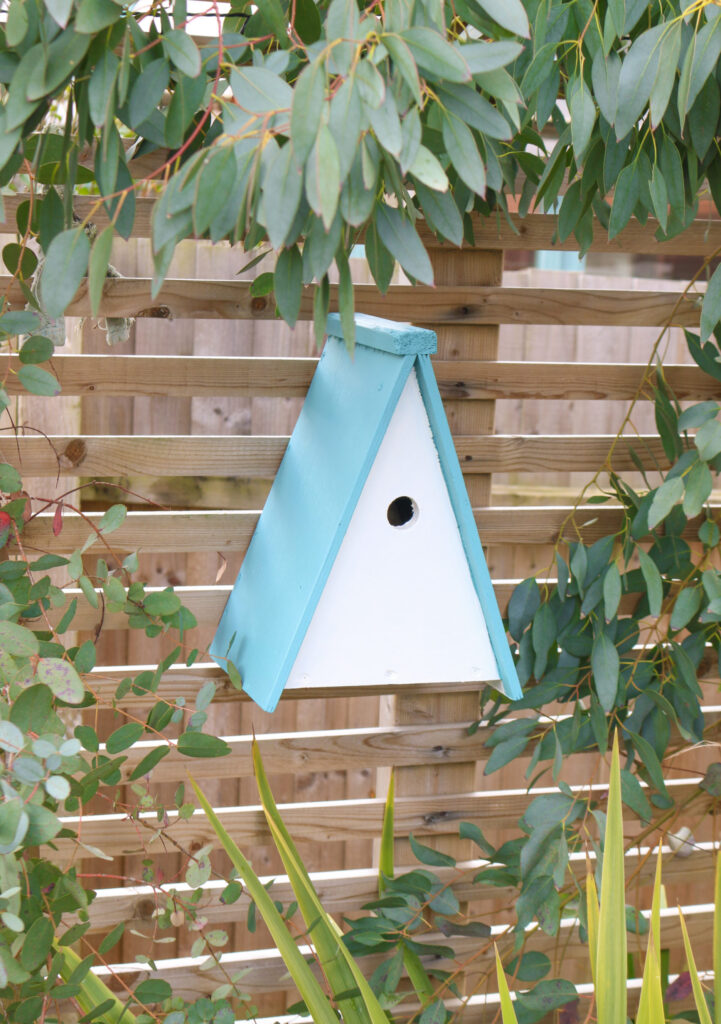
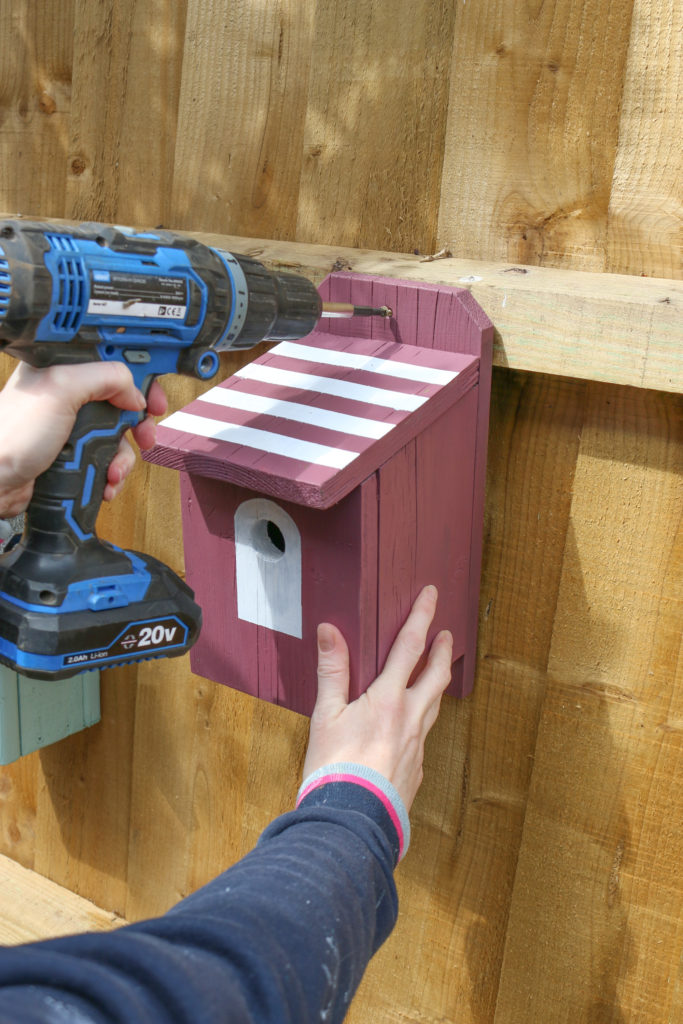
The RSPB recommends waiting until the autumn to install new bird boxes or clean/repair existing ones, as the breeding season will be over by then. So, if you’re hoping to attract some garden birds to nest in your backyard next spring, you can get started now so that they’ve got time to find and start using your nesting boxes.
Some birds, such as wrens, even huddle together in bird boxes over the winter to stay warm, so putting up a box might help to keep them cosy. The earliest nesters are the long-tailed tit and blackbirds, who will start looking for a nest in February, so it’s a good idea to get started on building and decorating some bird houses for them.
I’ve previously shared a little DIY video to help you decorate your bird boxes to create a colourful display. The post also contains information on specifically where to hang bird boxes to attract different species, such as robins, blue tits, flycatchers, wrens, wagtails and sparrows.
Create an insect hotel
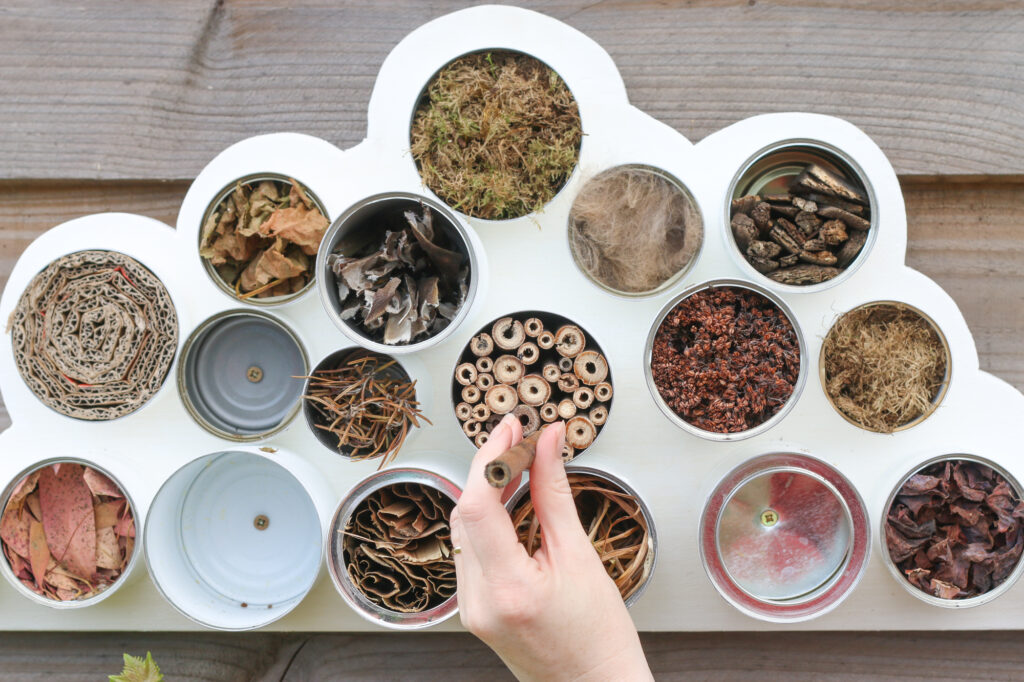
Did you know that many insects hibernate over the autumn and winter? So, a couple of years ago, I decided DIY a cute cloud-shaped “bug hotel” so that they have somewhere to snuggle up for the colder months.
Clusters of ladybirds often cosy up together underneath tree bark to survive the winter and solitary bees love hollow stems of bamboo, which allows them to seal themselves in and stay warm when the temperature drops.
All you need are some empty, clean tins, a piece of wood and some garden offcuts waste to stuff them with. If you’d like to make one for your own garden, here’s the link to the full step-by-step guide to build your own DIY bug hotel.
Help hedgehogs hibernate
Hedgehogs hibernate in safe nooks, so a little gap under your shed or behind a pile of logs can be an ideal site for them to build a new home for the winter. The good news is that the less you do in your garden, the better for the hedgehogs!
That’s because they’ll use fallen leaves, bracken and dried grasses to build their own homes – so if you keep your garden too tidy, they won’t have any building materials available to DIY their nest for the winter months. I don’t need to be told twice to leave my garden messy, haha!
The British Hedgehog Preservation Society has also shared instructions for building a more permanent hedgehog house, so if you like to keep your garden a little more tidy, it’s still possible to help the hedgehogs to hibernate and create a cosy winter home for them.
I hope these DIYs have given you inspiration to create welcoming zones in your garden to keep the birds (and the bugs) happy and comfortable over the colder months. Please let me know what you do in your own backyard to support the garden bird population – I’d love to hear your suggestions in the comments below.
Pin it for later
This article is a sponsored collaboration. The pink links in the content indicate a sponsored link or information source. The blog post reflects my own experience and the sponsor hasn’t had any control over my content 🙂