



Running a small business often feels like juggling, especially for indie makers and mumpreneurs who are fitting in their side hustle around other commitments. You’re answering messages, fulfilling orders and hoping your instincts are steering you in the right direction.
But those numbers you collect each day – sales, website visits, invoicing, social stats – tell you the real story of your business. I remember chatting with a local crafter who thought her slow weeks were “just a phase” until her sales figures revealed a seasonal pattern she could actually plan for.
When you start paying attention to your data, you can suddenly see what’s working, what’s wobbling, and what deserves a little extra attention. Here’s how to get to grips with your numbers:

Key Metrics Every Indie Biz Should Keep an Eye On
Every business – whether you’re selling handmade candles or running a local boutique – has a few core numbers that matter. Revenue shows what’s coming in, profit margins reveal what you actually keep, and cash flow tells you whether your money is moving smoothly or getting stuck.
For mumpreneurs and crafters, customer‑focused metrics can be a real game‑changer. Knowing how much it costs to attract a new customer and how long they stick around helps you decide where to spend your precious time and energy.
Tracking the numbers from your small business marketing strategy is equally important, especially if you’re working on it in your spare time. Tracking which posts, emails or promotions bring in the most engagement helps you avoid wasting effort on things that don’t always land.

Tracking Metrics Without the Stress
Small businesses don’t need complicated data dashboards to understand what’s going on. Even jotting down daily sales, website visits or customer enquiries in a notebook can help you spot patterns you’d otherwise miss.
One indie shop owner realised their busiest days were always after they had posted behind‑the‑scenes photos on their Instagram account. That tiny discovery helped them plan to a marketing strategy that felt natural but was effective – saving them valuable time.
So, when you notice a spike in sales, look back at what you might have done to influence that improvement so that you can replicate that success. Being aware of your business numbers is key to discovering where things are working and where you might be drifting off course.
Bringing Your Data Together
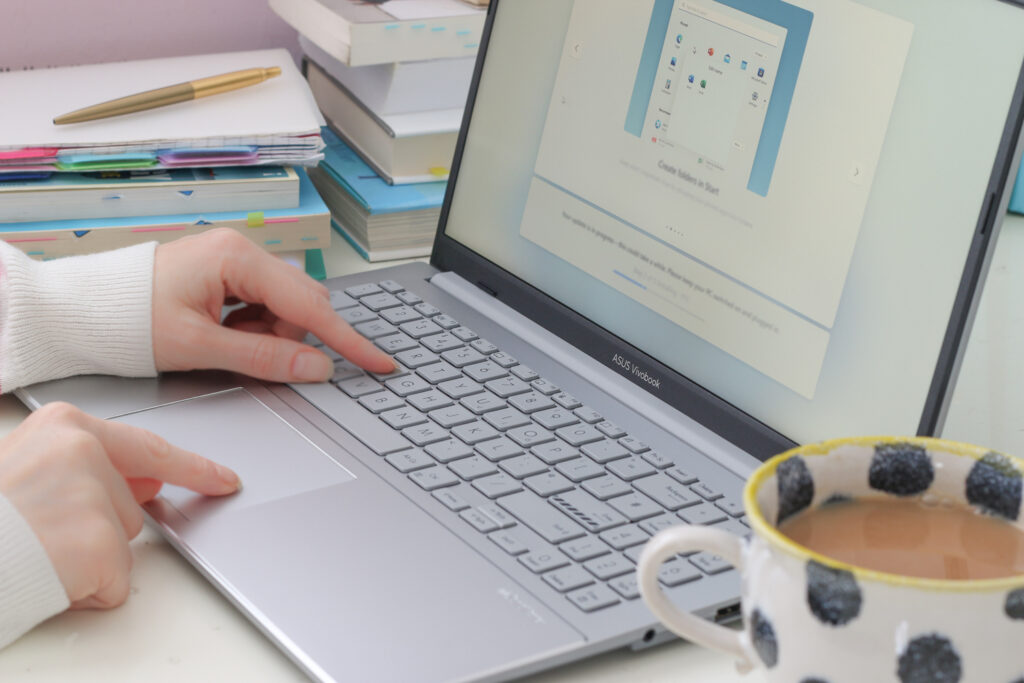
Most small business owners I know have information scattered everywhere – receipts in wallets, invoices in apps, sales in DMs, website stats in emails. It’s no wonder it feels impossible to get a clear picture of what’s actually happening.
When you gather everything into one place, even if it’s just a simple spreadsheet or a small‑biz‑friendly dashboard, the fog lifts. You can finally see how your marketing affects your sales, how your expenses impact your profit, and how your busiest days line up with your promotions.
But you don’t have to do everything yourself – if you track your sales data, cashflow and resources through a finance ERP with single ledger architecture instead of scattered across different apps, it can find areas for growth within your business for you and generate reports that you can act on.
A unified view makes you feel more in control, like tidying your craft cupboard and organising all your supplies in labelled boxes. It’s calmer, clearer and so much easier to work with.
Making Confident Decisions
Once your numbers make sense, decision‑making becomes far less scary. You’re no longer guessing whether a new product will sell – you’re checking your data to see what customers already love.
I follow an independent baker who noticed their highest‑margin cakes weren’t getting much attention. A tiny tweak to their display and a couple of cheerful Instagram posts doubled their sales within a week.
Your data helps you test ideas gently instead of diving in headfirst. You can try something small, see how it performs, and either grow it or gracefully let it go.
Planning for the Future
Forecasting sounds fancy, but it’s really just learning from your past. When you look back at your numbers, you start spotting patterns that help you plan ahead with confidence.
You don’t need multiple years of stats to do this. In fact, as soon you’ve completed your checklist for setting up an independent business at the start, the next step should be looking to the future to help you plan ahead.
Of course, once you’ve been running your side hustle for a while, you’ll get to spot seasonal patterns. Maybe your indie biz gets busier before Christmas, or your craft shop slows down in January. Knowing these trends helps you prepare stock, schedule help, or plan promotions throughout the year.
From looking at my own stats over the past few years, I know that my freelance work slows down a little in August (because everyone I work with is away during the school holidays!). This means I can schedule in some time off for myself and take advantage of these slower weeks, knowing I’ll be back up to full speed in September.
Another factor about having clear financial data based on many months (or years!) is that you look wonderfully organised when chatting with lenders or investors. Being able to explain your numbers calmly shows that your business is stable and ready to grow.

I hope this has given you some inspiration to start taking a little more notice of your side hustle data in the future. You don’t need to track everything at once – just pick one or two numbers to start with this week. Maybe it’s daily sales, maybe it’s website visits, or maybe it’s how many people click your Instagram link.
Once you get into the habit, knowing those numbers and how to influence them becomes your secret superpower. They help you steer your indie biz with confidence, clarity and a whole lot less stress. Let me know in the comments below how you get on and I’d love to hear your ideas on what kinds of data would be helpful to track for your business.
Pin it for later
This article is a sponsored collaboration. The pink links in the content indicate a sponsored link or information source. The blog post reflects my own experience and the sponsor hasn’t had any control over my content 🙂