


Digital nomad numbers have surged, with millions of people worldwide identifying as digital nomads. Of course, it’s hard to quantify the numbers, because it would mean all the countries of the world coming together to gather the data.
But it’s clear that remote working is now becoming mainstream. When the Office for National Statistics looked into homeworking after the pandemic, it showed a prevalence of hybrid working and around 40% of working adults had worked from home since Covid.
The popularity of location-independent work seems to be down to people seeking flexibility and autonomy. It allows them to juggle work with family commitments, and they can be employed by a company in a different location from their home town.
I can totally understand why it’s so popular – I’ve spent most of my career working from home and I love it! I’ve been fortunate enough to be able to use the skills I learnt during my Degree and Master’s in a writing role and my laptop-life started just after the credit crunch.
I became full-time self-employed around the 2010s and I haven’t looked back. At the time, it made sense to work from home rather than rent an office and it suited me to work independently and choose my own hours. As long as I have a good internet connection and phone signal, I can work anywhere and at any time.
After more than 15 years of working like this, I’ve realised that I don’t necessarily have to do my work in the UK and that’s got me thinking about becoming a digital nomad. So I’ve been doing my research and have come up with the pros and cons, plus the essential tech and paperwork you need to be a digital nomad…

Pros of Being a Digital Nomad
- Freedom to travel – in an office-based role, your only chance to travel to other countries is during your annual leave. Working remotely lets you travel to 3, 4 or more countries in one trip.
- Flexible lifestyle – if you negotiate with the clients you’re working with, you can choose your hours, your environment and enjoy a balanced life.
- Cultural immersion – this is what I’m most interested in: living like a local rather than a tourist. I’m sure it’ll make learning the language more intuitive and I’d love to embrace the pace of life in different countries.
- Potential cost savings – some destinations offer lower living costs than the UK, so I’d love to head back to those countries where coffee costs just €1!
- Growing community – millions of nomads worldwide create supportive networks between themselves, so you never need to feel isolated; look for a co-working space where you can meet other nomads.
Cons of Being a Digital Nomad
- Connectivity challenges – café Wi‑Fi and hotel networks are often unreliable and connectivity matters: dropped calls and failed uploads directly impact your income, as well as client trust.
- Visa limitations – many countries restrict long‑term stays without special visas, meaning lots of paperwork.
- Financial unpredictability – fluctuating income or currency conversion fees can affect how much money you earn, save and spend.
- Security risks – SIM‑swapping fraud and unsafe public Wi‑Fi mean you’ll need to create your own private, secure connections, which may be more costly than a home-based internet provider.
- Loneliness or instability – constant movement can make routines harder to maintain and remote regions might not have a local nomad community.
That said, I’m still not put off the idea of travelling while I work. It’s just extra important to get yourself set up with the right tech, find a safe place to work and organise a secure Wi-Fi and phone connection so that you can carry on with your work uninterrupted.

Where Digital Nomads Live & Work
Of course, one of the main considerations for working abroad is having somewhere to live and work. Short-term rentals are your best bet here, as you don’t have to get tied into a long lease and can enjoy the flexibility to move to new accommodation whenever needed.
Plus, while doing some research, I discovered the option of coliving spaces, which are furnished homes with fast Wi‑Fi and built‑in communities for those who are working outside of the UK. I’ve previously written about how being a digital nomad can turn working from home into an adventure so be sure to have a read of that post too.
Likewise, Coworking hubs are popping up in plenty of European cities. These offices provide hot-desking options that you can book by the hour/day/week etc. They’re ideal for stable internet and give you the chance to meet other nomads while you’re away, easing loneliness.

Essential Tech for Digital Nomads
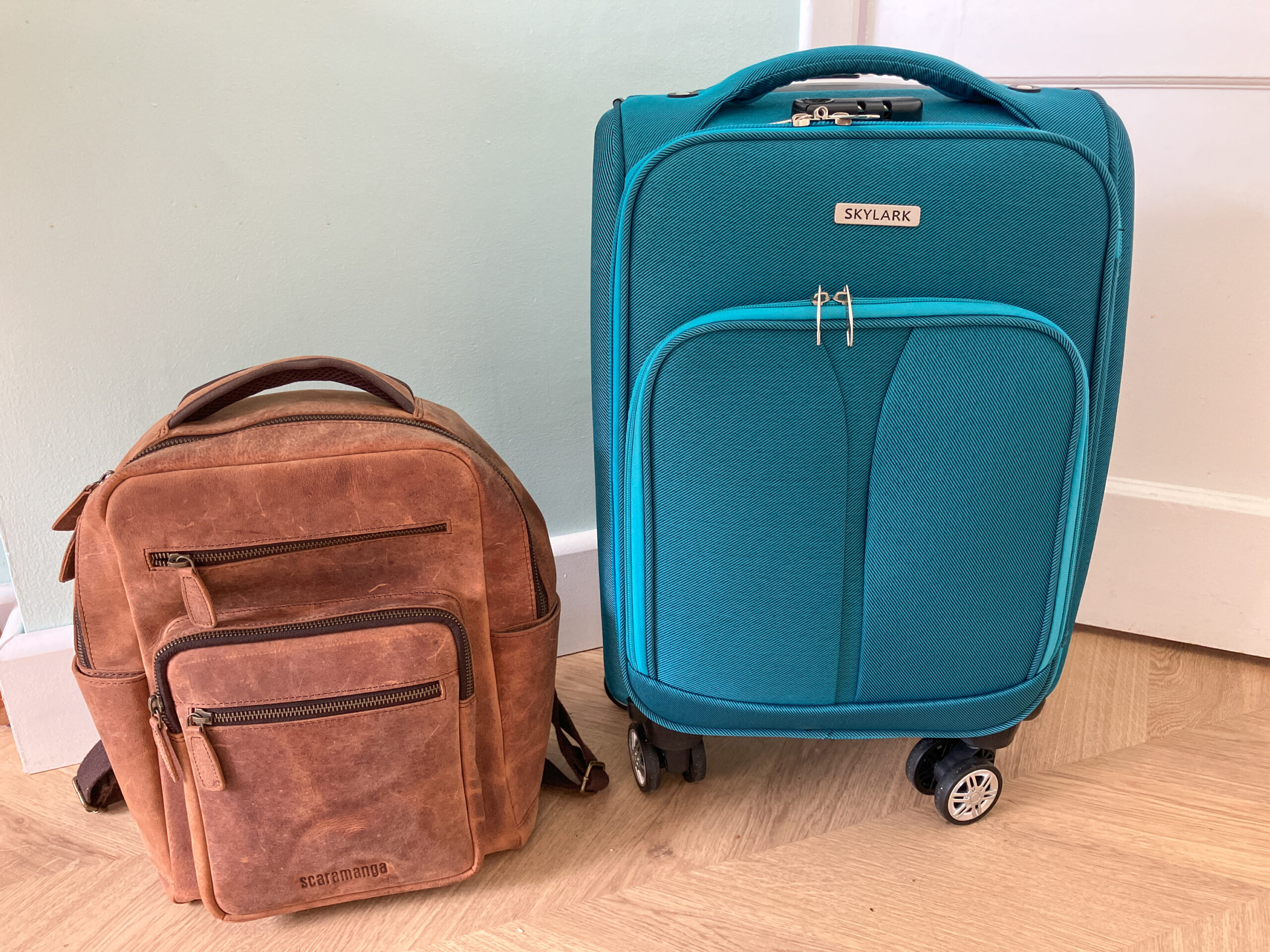
In terms of physical tech, the first things you’ll need are a well-performing laptop and a smartphone. To keep these powered, you’ll need a universal adapter so that you can charge them in any country, plus a backup power bank while you’re working while travelling. Don’t forget a padded daypack to protect your tech on the move.
To get you connected, you’ll need an eSIM that stores multiple carrier profiles. This lets you keep your UK number active while using local data, which is far cheaper than roaming fees. A travel eSIM for Europe works well for trips that include several countries within a short period.
Fixed‑data packages are usually better for remote workers than daily pricing, as you can pay per GB. Just make sure that your devices are compatible – most modern smartphones (iPhone 11+, Pixel 3+, recent Samsung models) support eSIMs.
Non-tangible tech essentials include reliable Cloud backups to protect your work and make sure it’s safely stored and remains accessible in case your tech gets damaged in transit. For privacy, you’ll need a VPN, so look into options like NordVPN, which covers up to 10 devices and is essential for secure banking or working on public Wi‑Fi networks.
Finally, it’s handy to have a password manager so that you can easily log into your required services wherever you are. And consider using productivity tools like Notion, Calendly and secure vaults to streamline your remote work, even when your routines change.

Essential Paperwork & Admin
- Visa research – check digital nomad visa options for your chosen destinations, as these will vary between countries. You might be able to get a long visa for one country but only a quick travel visa for the next.
- Back‑up documentation – keep digital copies of your passport, insurance and travel bookings.
- Accommodation – it’s a good idea to have your accommodation organised in advance so that your trip is stress-free, and to prevent you from having to check into an expensive hotel at the last minute.
- Travel insurance – choose nomad insurance that’s specifically designed for long‑term travellers with no fixed return date.
- Multi‑currency banking – choose a banking provider that can hold balances in different currencies or one that allows you to quickly and easily switch currencies with mid‑market conversion rates rather than transaction fees.
- Tax considerations – understand residency rules and tax obligations before leaving the UK.
Becoming a digital nomad offers a lifestyle full of freedom, creativity and adventure, but it requires planning, reliable tech and financial awareness. That said, with the right essentials (especially a dependable laptop and eSIM!), this remote-working lifestyle can be both productive and deeply fulfilling.
I hope this blog post has inspired you to do some more research into this option and please let me know in the comments below if you’re already living the laptop life: what do you love about being a digital nomad and what challenges should we be aware of? I’d love to hear your advice and what fabulous experiences you’ve had!
Pin it for later
This article is a sponsored collaboration. The pink links in the content indicate a sponsored link or information source. The blog post reflects my own experience and the sponsor hasn’t had any control over my content 🙂