



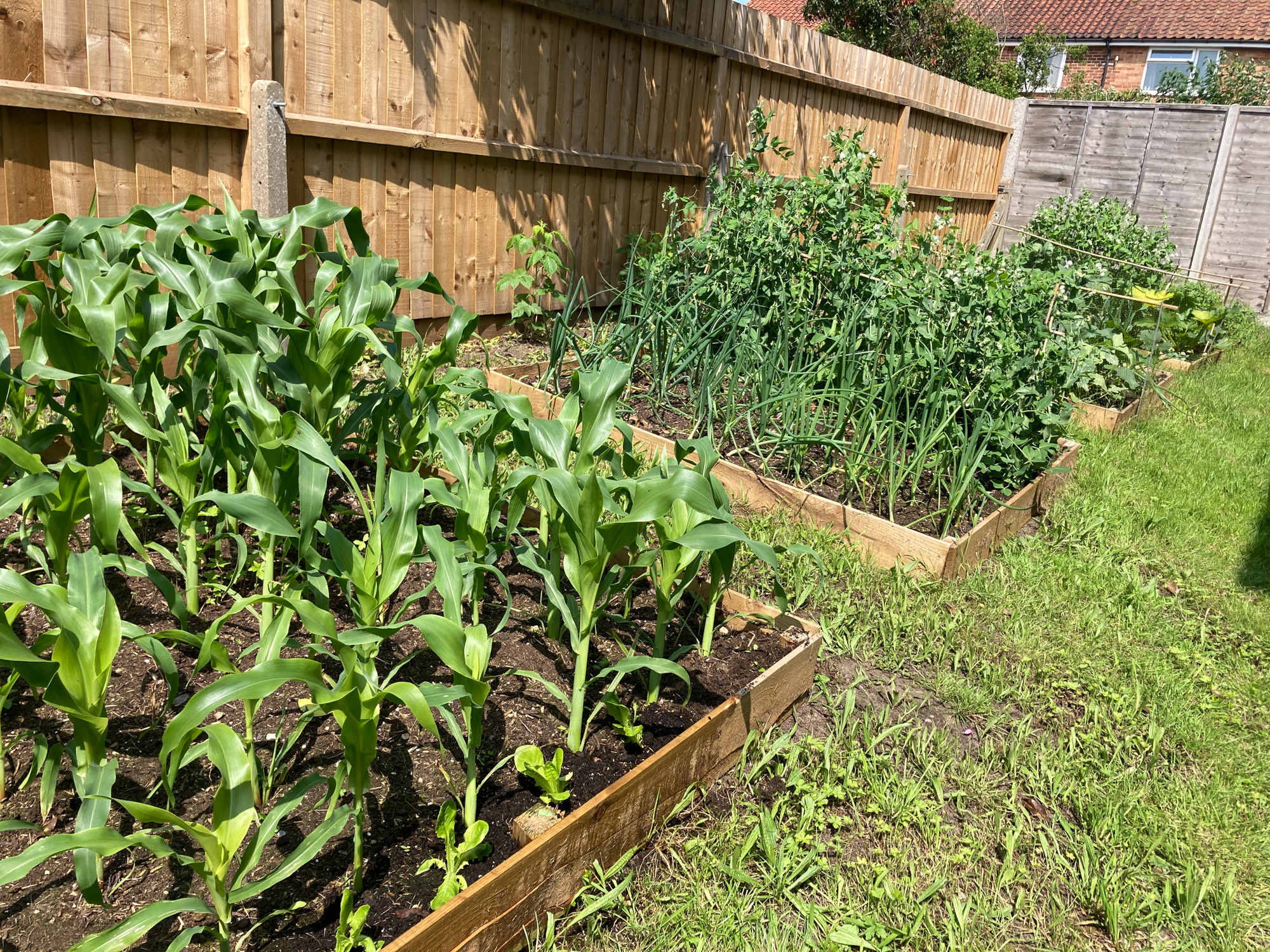
When I first dug over my veggie patch in my back garden, I started off with so much excitement for what was to come. I was optimistic that I’d be able to grow all kinds of fresh fruit and veggies, and I couldn’t wait to cook up meals from my home-grown produce.
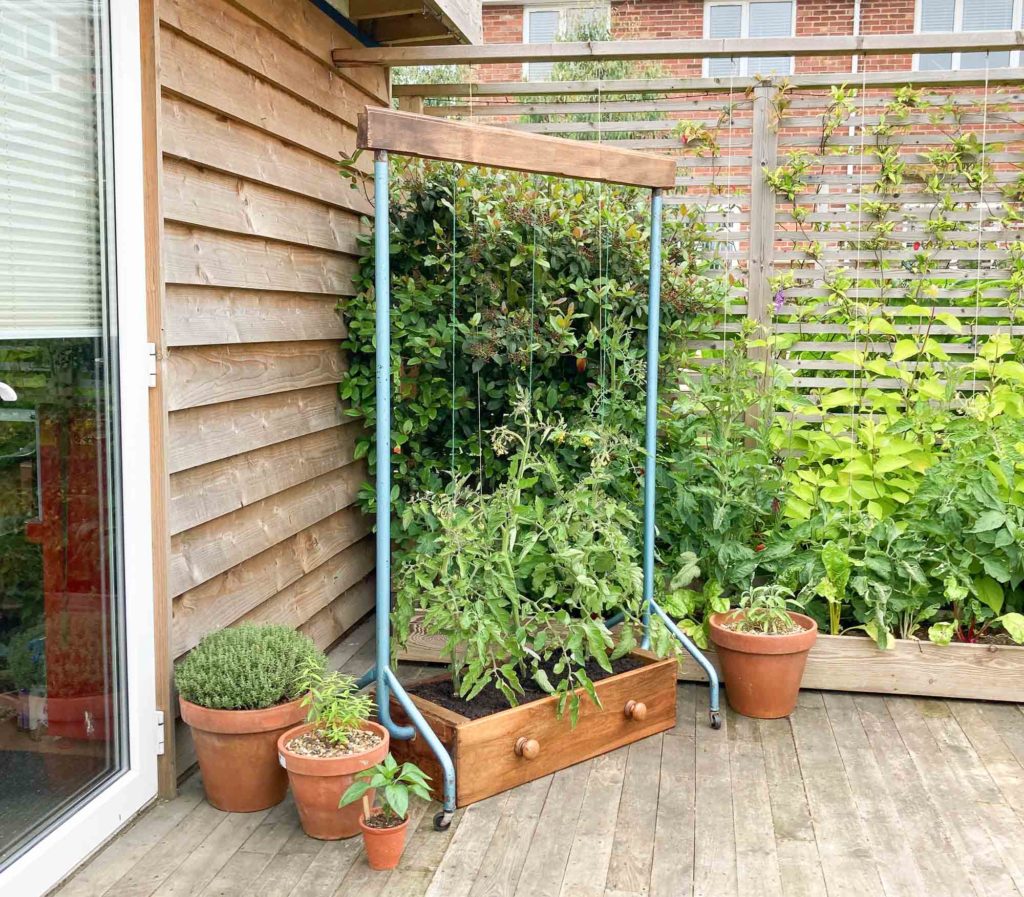
I bought vegetable seeds and planted raspberry canes. I made patio planters from any scrap wood (or drawers, below!) I could get my hands on and even created no-dig beds in my front garden to gain more growing space. I’ve documented most of my growing journey right here on my blog so you can read back over my garden articles and see just how much I’ve enjoyed it.
And it’s such a rewarding thing to do – the things I grew were so much more tasty than supermarket versions. I was able to harvest my evening meal each day, so my plate was always full of the freshest food. The increased amount of veg and fruit was keeping my family healthy, with extra vitamins and nutrients.
Let’s face it, with the cost of fresh food in the supermarkets, I might not have been able to afford to buy such lovely ‘organic’ fresh veg. And then, in recent years, there were shortages in the supermarkets; remember when you couldn’t buy tomatoes or cucumbers? At least I had some growing in my garden to keep us going when shop stocks failed.
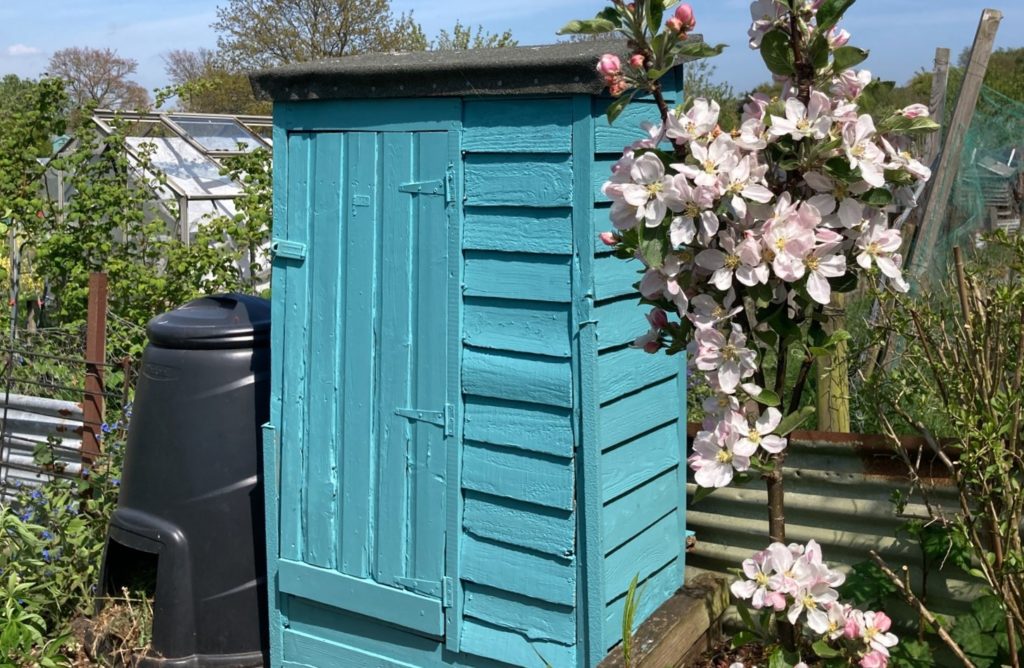
When an allotment became available locally, I was ready to be self-sufficient. I took on the tiny half-plot for a season and quickly moved up to a full-sized plot the following year. One that already had fruit trees planted and berry bushes ready for me to harvest.
It all sounds so lovely and wholesome, doesn’t it? I’m here to tell you that it IS – and it’s great for your mental and physical wellbeing to get out into the garden and do some digging, sowing and growing. However, I’m also here to share with you some of the mistakes I made so that you can save some time and money. Here’s what I learnt…
Too much produce
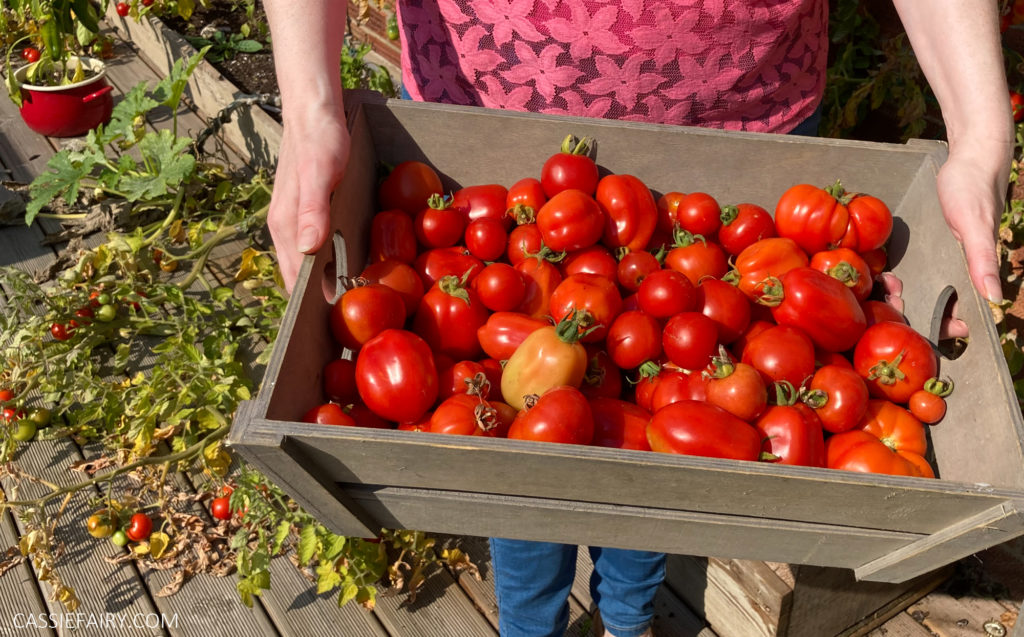
I was lucky that a lot of my sowing and planting worked in that first year, which certainly spurred me on to keep growing my own produce – there’s nothing more disheartening than a crop failing, as we’ll discuss in a minute. Luckily, the main trouble I had was that so many veggie seeds sprouted and I didn’t want to throw any of them away, so I planted them all in the plot.
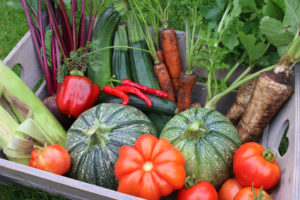
Which, inevitably, led to a glut of courgettes, tomatoes, beans and lettuce when it came to harvest time. Yes, I had about 40 tomato plants in my garden that first year! I was happy to have an abundance of produce, but it did mean that I had to start preserving it pretty quickly. I had to learn to make pickles and chutneys and I needed to invest in a new freezer. It’s no joke that I still have broad beans, courgettes, rhubarb and redcurrants in my freezer from years past!
So I’d recommend planting only what you know you will be able to eat – with a few extras to store in your existing freezer space for winter. Also, it’s absolutely lovely to be able to give away produce to your family and friends, so be sure to share the love when you’ve got excess produce at harvest time.
Some crops failed
That said, there were also times when some of my sowing and planting failed. The raspberry canes were a waste of money because they never took root – only a couple survived the first year and I’m sure we only got about 3 raspberries from them. It’s a good idea to research the necessary growing conditions needed for certain crops before you buy!
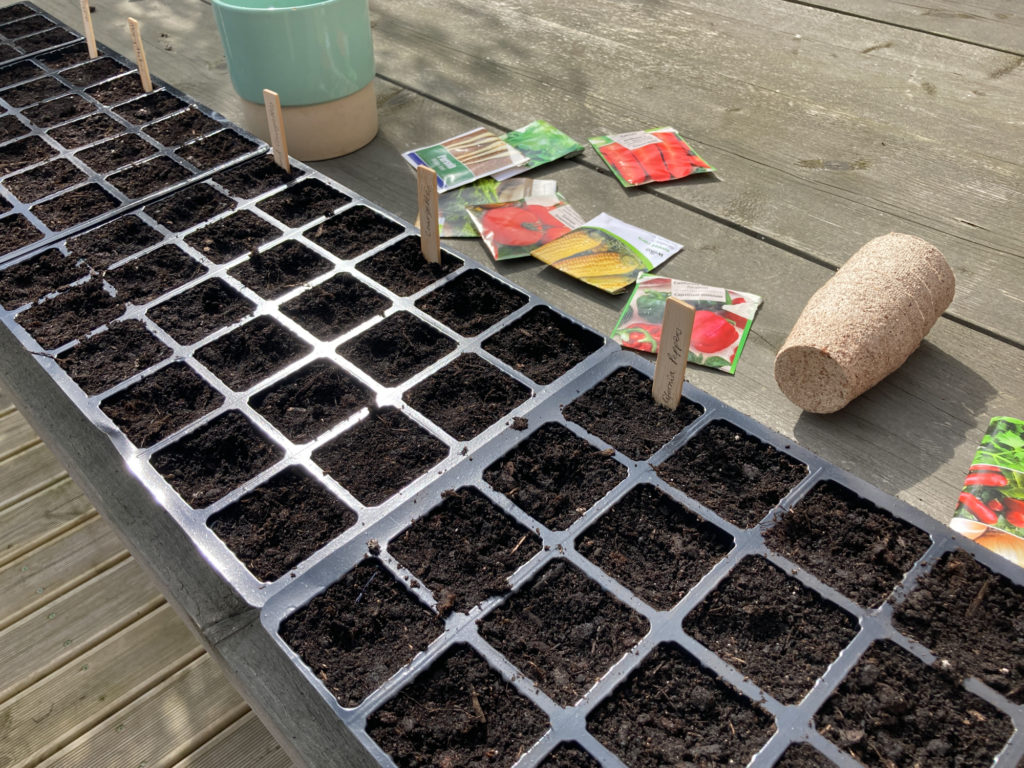
I’d chosen some tricky crops to grow in our local climate – peppers and chillis being the most difficult, especially without a greenhouse to deliver the temperatures they need to grow. So, the amount of veggies those plants produced was minimal and perhaps my time would have been better spent tending to other crops that would grow plenty of fruit.
I’d recommend doing a little research and finding out what is possible to grow outdoors in your region. And if you have a greenhouse, that’ll increase the variety of veggies you can grow, so find out what’s possible, but as with the advice in the section above, only plant what you can fit into the greenhouse and that you will actually be able to use!
Choosing expensive crops
I wanted to grow fruit and veggies that would be expensive to buy at a supermarket, so that I could make monetary savings by growing my own at home. This absolutely worked with strawberries (which grew their own baby plants at the end of each year, so I always had new ones to pot-on for the following summer), redcurrants, whitecurrants, blackberries, rhubarb, blackcurrants, plums and so on.
We must have saved so much money on buying supermarket berries, which seem to cost ££s for just a handful. Actually, that’s the kind of produce I wouldn’t have even bought at a supermarket, because the price is too high and the fruit will go off quickly. So it is wonderful to be able to harvest what you need and slice it up to enjoy with your breakfast yoghurt straight away. That’s certainly a benefit of growing your own fruit!
However, the thing with these types of crops is that they take ages to grow from young canes and saplings into full-sized bushes and trees that will eventually produce plenty of fruit. I’ve already mentioned the failed raspberry canes, but after many years of patience, we’ve now got big bushy rhubarb plants, apple, cherry and plum trees and I finally got some blueberries from my three bushes last year, woo!
So, while it’s a great money-saving idea to grow fruit and veg that would be expensive in a supermarket, just know that it will take many years before you’re producing a decent amount of fruit – but once you are, you’re set for life.
Skip the basics
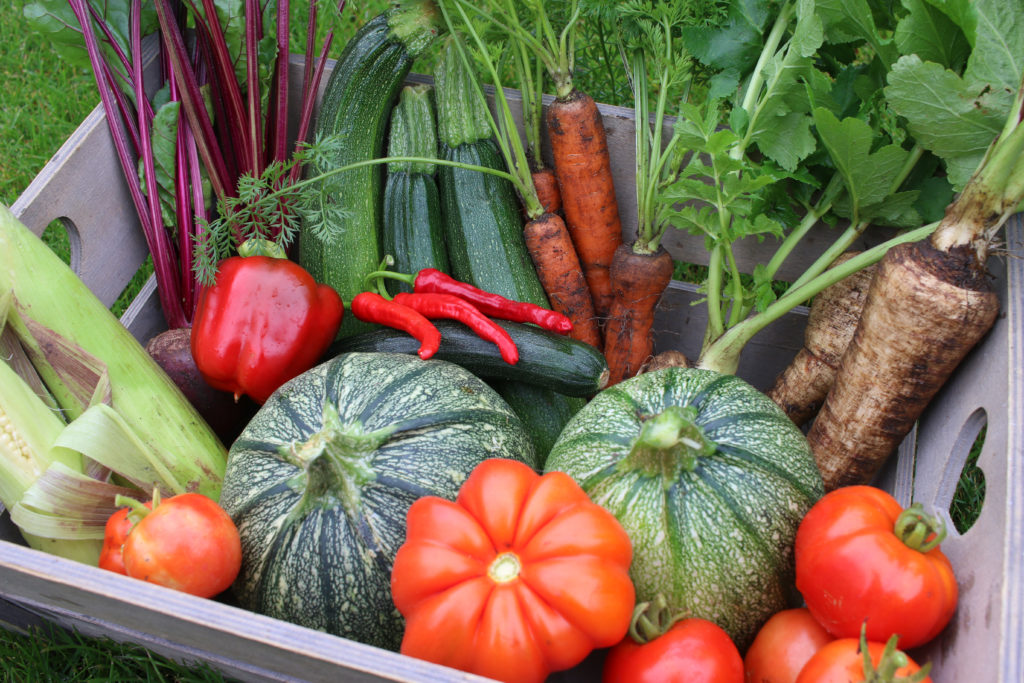
Also, you might want to skip the basics when you’re planning your plot. Things like potatoes and carrots take up a lot of space in your veg patch but don’t cost much at the supermarket, so could you use that area to grow another crop that would be more pricey to buy but that produces plenty of veg, like courgettes? If you’re very limited on space, consider prioritising things you’d love to have, but that cost a lot when bought fresh, such as French beans, mangetout and vine tomatoes.
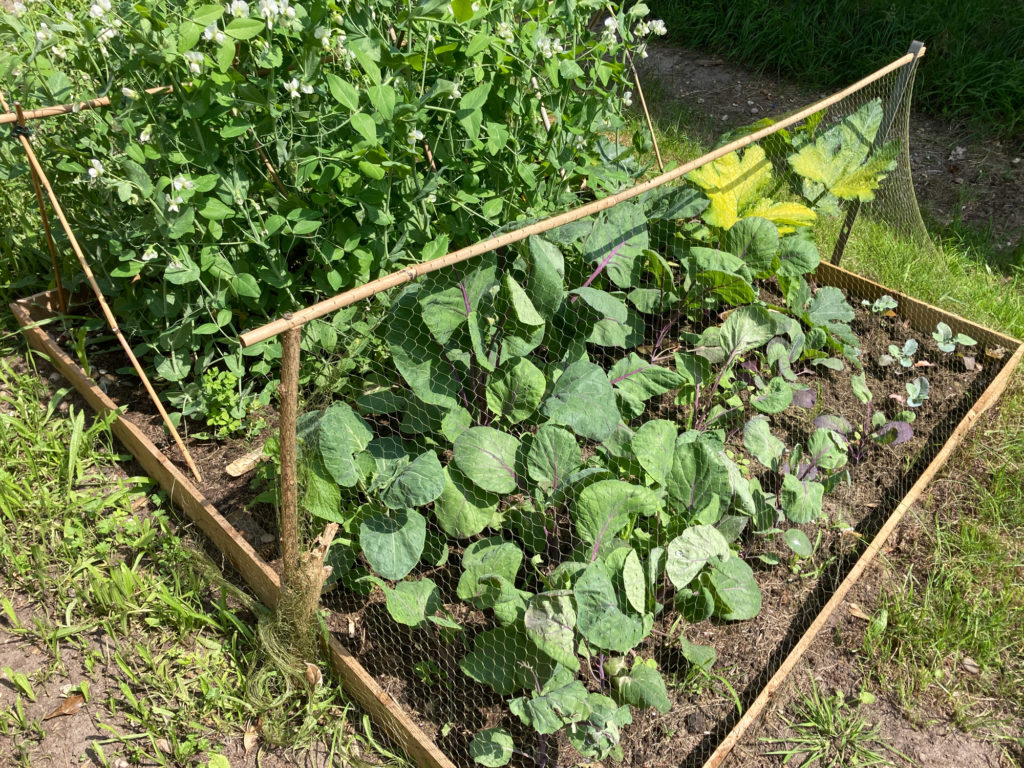
Another thing to consider is how long it will take to grow the vegetable you’re planting. Things like onions, garlic, brassicas, parsnips and broad beans take many, many months to grow, so you’re giving over an area of your plot to something you won’t see until perhaps the following year.
Sure, you’ll be pleased about it when you’re eating cabbage and broccoli in the winter, but if you don’t have much space in your kitchen garden, stick to seeds that will grow and fruit quickly, so you can harvest them and get the next variety planted, like salad veg – it’s an easy win that’ll keep you interested in your plot.
Harvesting guilt
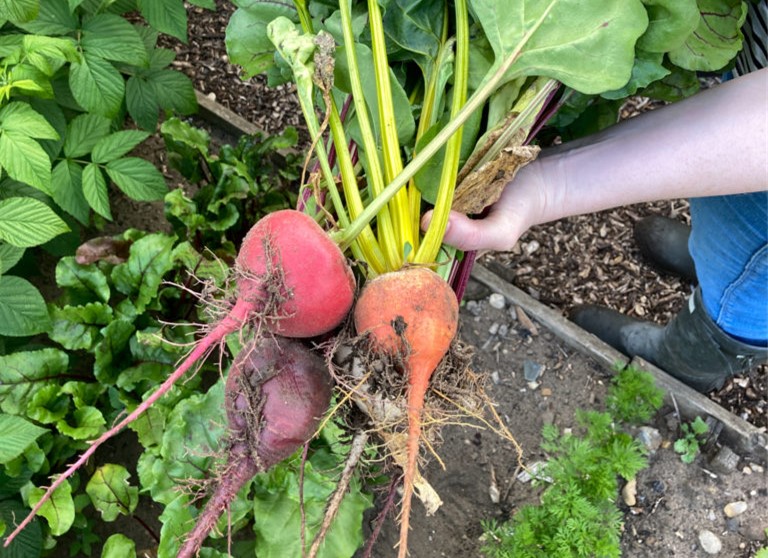
A final thing I want to discuss is what I call ‘harvesting guilt’ – when I grow a crop and then don’t actually harvest it, eat it or preserve it. I’ve done that for a few years with rainbow chard. The first time I planted it, I loved it – we harvested and ate plenty, and it just kept growing – probably a little too much but it didn’t feel wasteful: it was just a really successful crop and one that I’d recommend to new growers.
But then, in the second and third years, I sprinkled my chard seeds onto the veg plot again and just didn’t get around to harvesting any of the leaves. They grew massive and went to seed and I’m not sure we ate any of them. The thing is, it’s a plant that looks lovely in the plot; it grows bushy, isn’t attacked by bugs and adds a splash of colour, so it adds value anyway – I just felt guilty that I could have eaten some, or shared some with family and neighbours, but I just totally forgot about it. Could that space have been better used with something else?
My advice is to only plant the veg that you know your family will want to eat and things that you use in recipes all the time, such as tomatoes, spinach, rocket, beans or, for me, beetroot. I’ve duped myself into believing that I will eat lettuce if I sow it, especially because it’s such an easy crop to grow, but I never do actually make that salad. This year, I’m only planting what I realistically want to eat; that way, nothing will go to waste and I won’t have any harvesting guilt.
Also, it’s funny when you’re just about to harvest a fruit but the birds or bugs get to it first! I was so excited to see masses of red cherries on my cherry tree last year and couldn’t wait to harvest them. The fruit was still sour, so we just needed to wait a few more days BUT the birds could tell the fruit was ready just before I could, so they enjoyed a feast and stripped the tree in a day. Oh well, at least they are well fed!
I hope that by sharing the ups and downs on my veggie plot, it’ll help you when you’re planning your own kitchen garden this year. We’re approaching the months when I want to start sowing seeds, so I’m taking these learnings into my own planting this year. Please share your own advice for planting an allotment or veg patch, I’d love to hear what fruit and veg varieties you’re sowing this year in the comments below.
Pin it for later
This article is a sponsored collaboration. The pink links in the content indicate a sponsored link or information source. The blog post reflects my own experience and the sponsor hasn’t had any control over my content 🙂