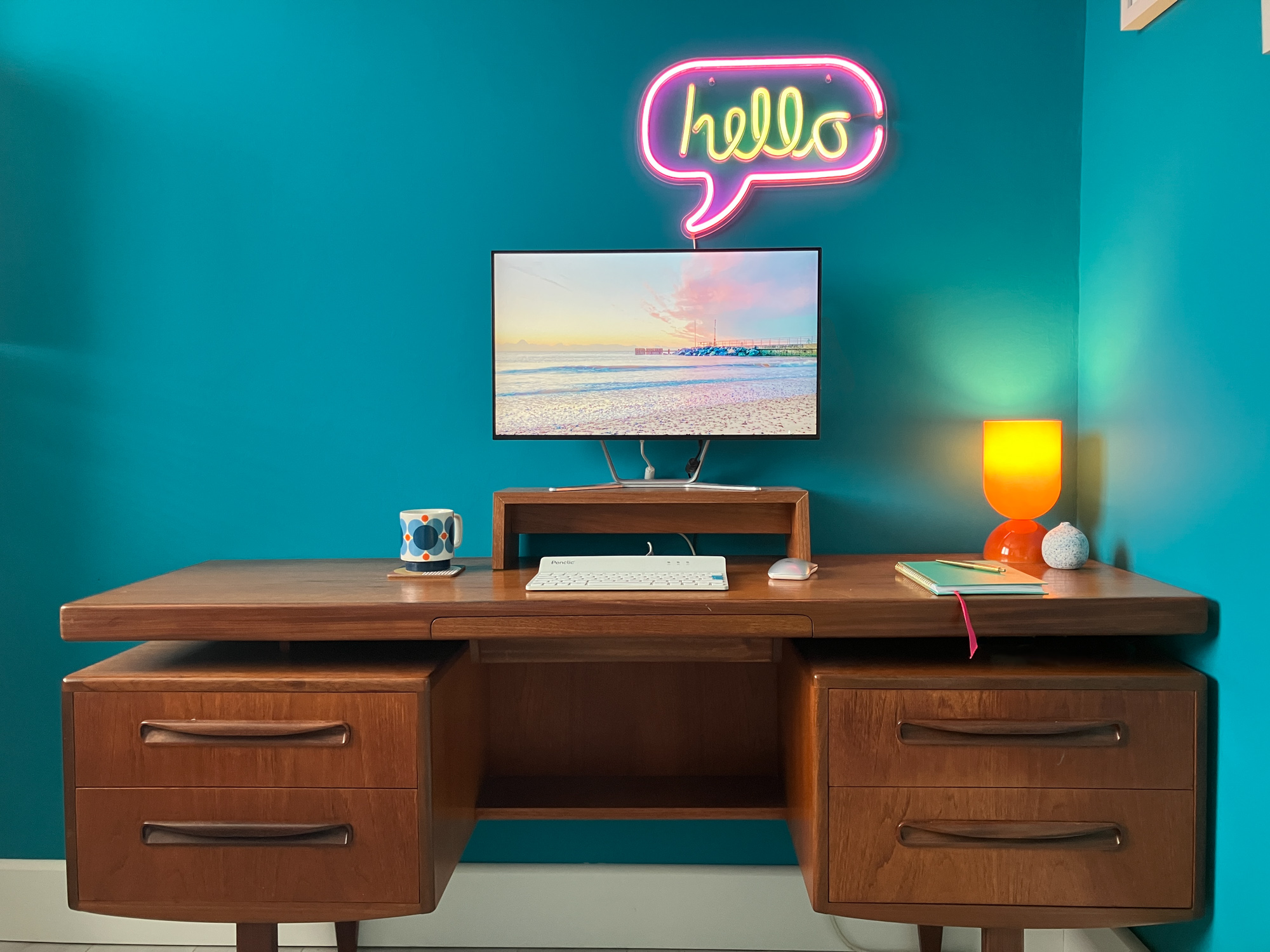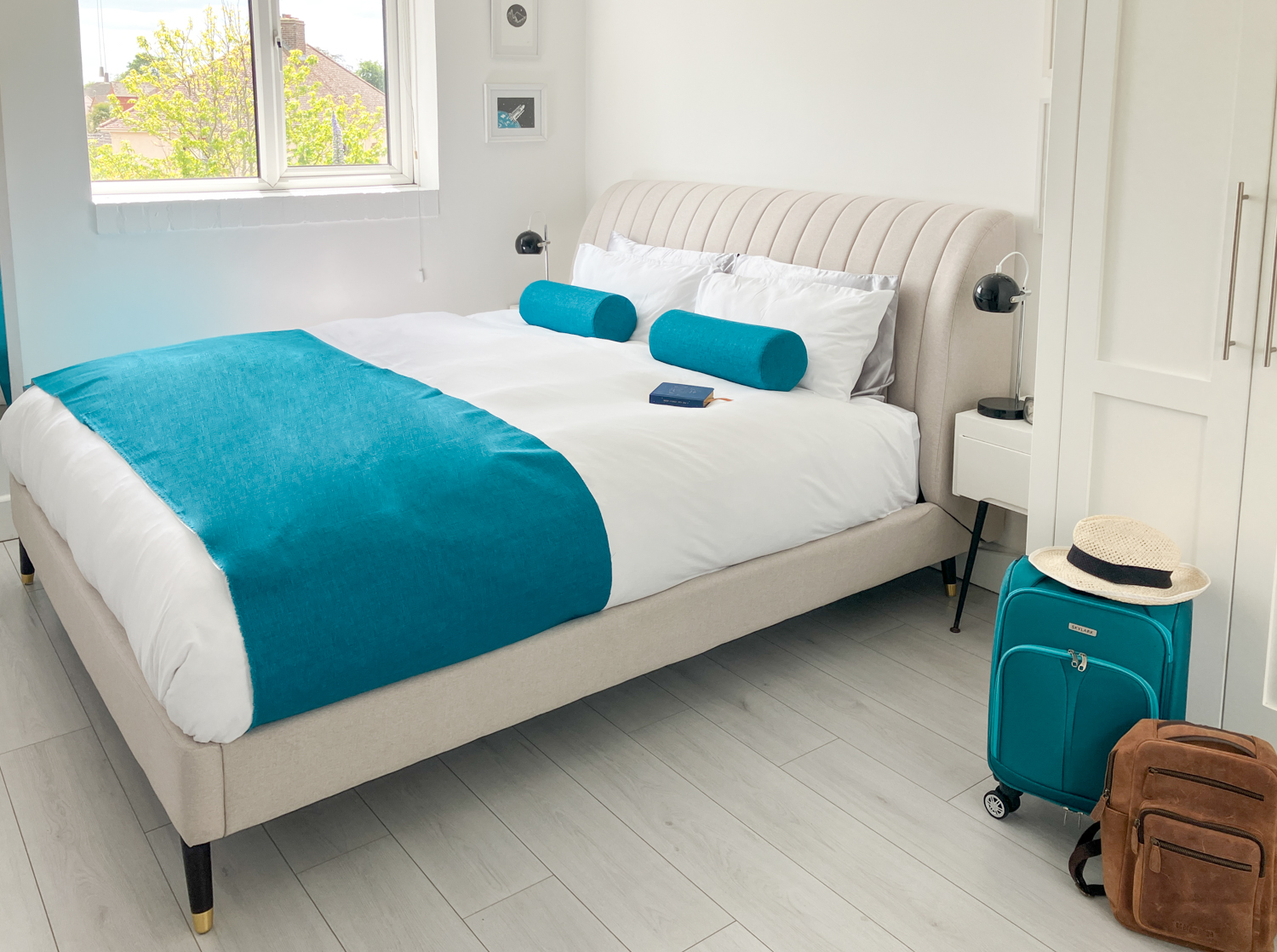




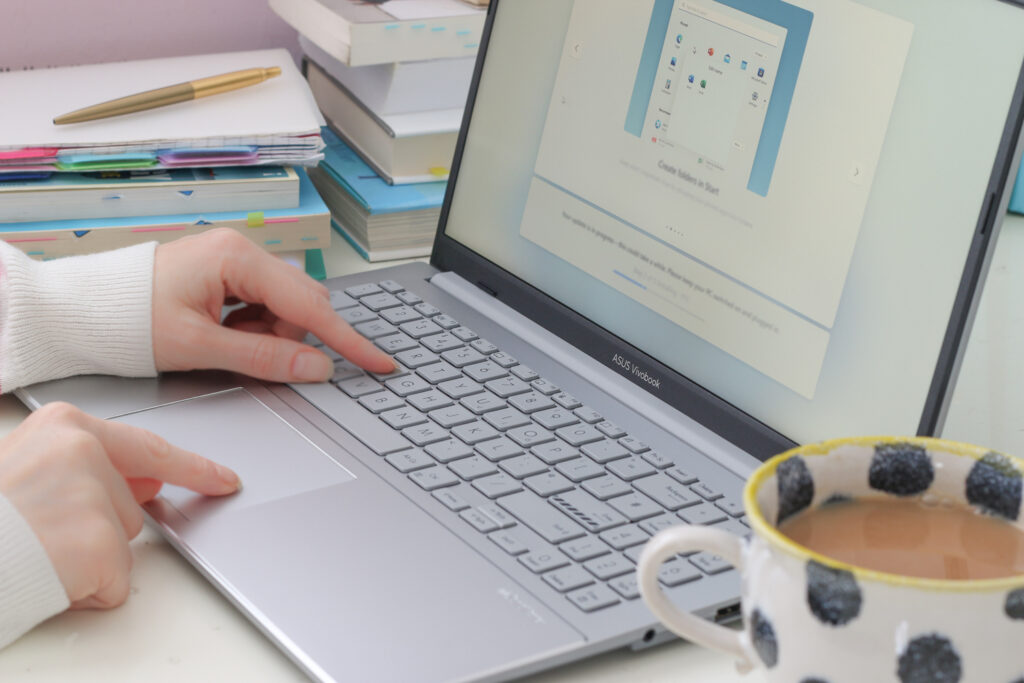
Ever since we started working from home, our guest room has been out of action. We’ve not been able to have friends or family members staying at our house because there’s no longer a bed in the spare room.
We needed to dismantle the old double Vono bed to make space for a desk and office storage, but that means our guest room is solely for work and never for guests. However, now that we’re finally getting around to redecorating the room, we’ve decided to make it a dual-purpose space.
With all the practical pieces of furniture out there, there’s no reason why you can’t create a room that functions well as an office during the week, but that can convert to a comfortable guest room, playroom or aesthetically pleasing relaxation space at the weekends.
Here are some solutions you can try:
Dual-purpose bed
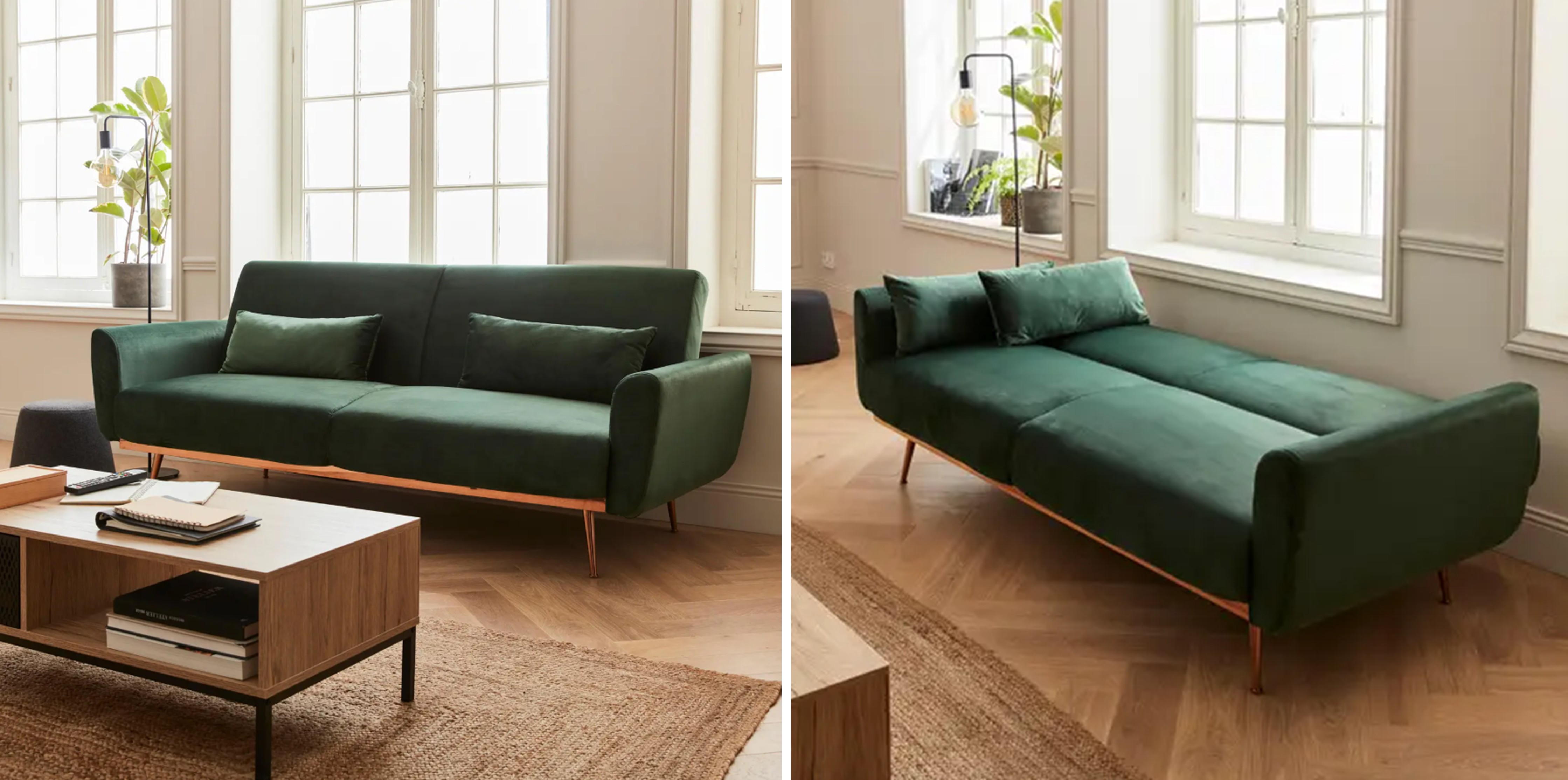
Just because you don’t have space for a double bed and a desk in your spare room, it doesn’t necessarily mean you can’t fit in guests if you choose the right piece of furniture. We have space for a single-sized bed in the room (so that’s an option), but ideally, we’d like to have an office that looks like an office during the week, plus a double bed available for guests at the weekend.
So, I’ve found a solution: adding a sofa bed. This only takes up the space of a single bed, but once visitors arrive, it can be converted into a comfortable bed for them to stay over. There’s such a vast selection of sofa beds available online, from pull-out mattresses and daybeds with storage to click-clack couches and fold-out seats, that I’m certain you’ll find one that suits your space.
Swapping a fixed-size bed for a sofa that converts into a double gives you the added bonus of a comfy space for you to work during the week, too. If you need to read paperwork, why not put your feet up while you read documents? If you’re on a phone call, no one needs to know that you’re lounging on your sofa.
And if you’re in a Zoom meeting, a sleek velvet sofa makes a smart and comfortable backdrop. My preferred option is this Mid-Century Modern design that will fit in perfectly in my 1950s home, and which cleverly folds open to use as a bed for guests.
Alcove office
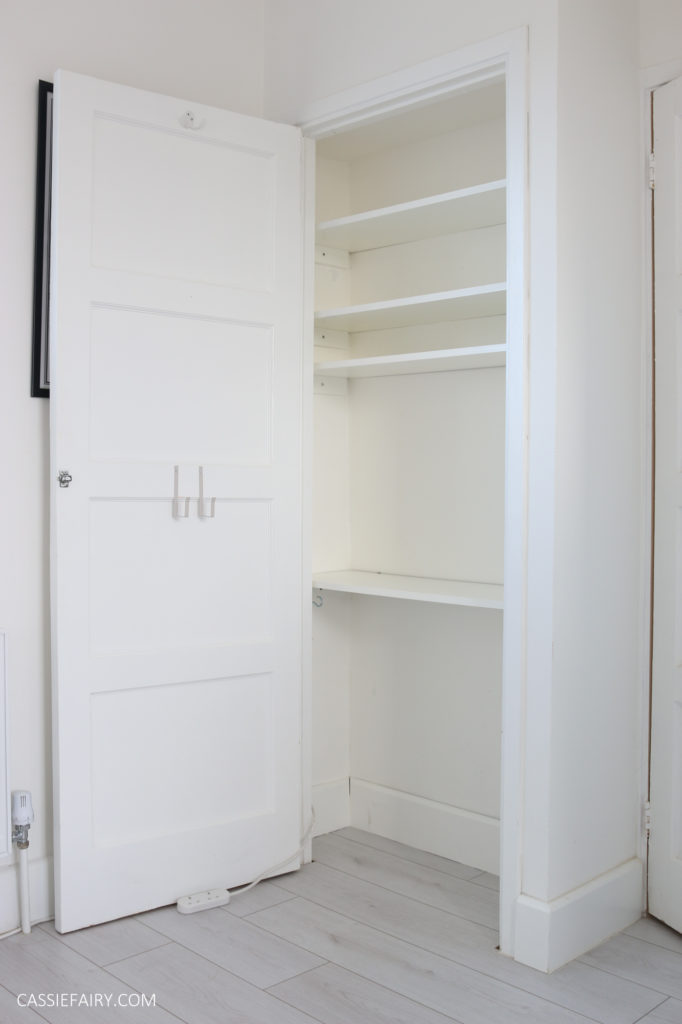
Perhaps you have some alcove space within your spare room? If so, that’s the perfect location to install a fitted office – just like my DIY alcove dressing table. You can add shelves spanning the gap to hold your files and paperwork, then add a worktop desk for your laptop.
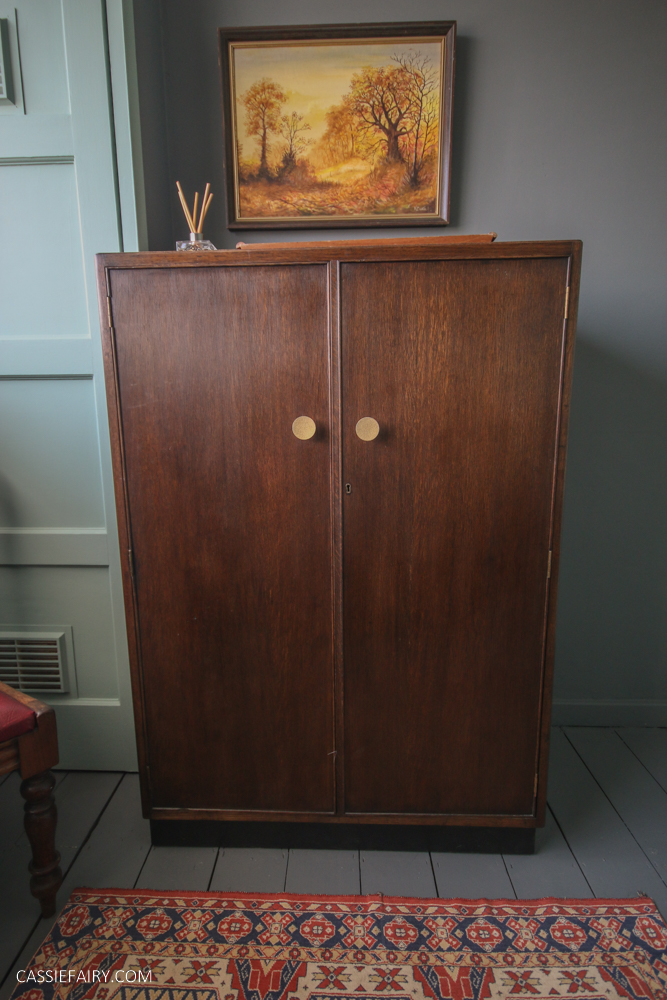
Alternatively, if you don’t have an alcove, you can create one by adding a freestanding wardrobe or cupboard unit to the room. Simply add a worktop at the height you wish your desk to be and install shelves in the space above your monitor.
When you want to use the rest of the room for guests, all your work items will be confined to one area in the alcove – or better still, you could even add doors across the front of the alcove or cupboard so that you can completely shut it away at the weekends.
This office solution has an added bonus that your work will be ‘out of sight, out of mind’, so you will feel more relaxed (and not tempted to work!) if you happen to wander into the spare room at the weekend. In fact, closing those cupboard doors at the end of the working day will be a physical signal to your brain that work is over, and you can chill.
Colour zoning
One final way to create a space that works as both an office and a guest room is to use colour. If space isn’t an issue and you can fit in both a bed and a desk, you can use different paint colours to differentiate between the work and relaxation zones.
It’s a low-cost solution because you only need a couple of tins of paint to create a room that’s split into two functions – perhaps a vibrant orange zone around your desk to uplift you while you’re working and a soothing blue in the bedroom area, which is the most restful colour to encourage peaceful sleep.
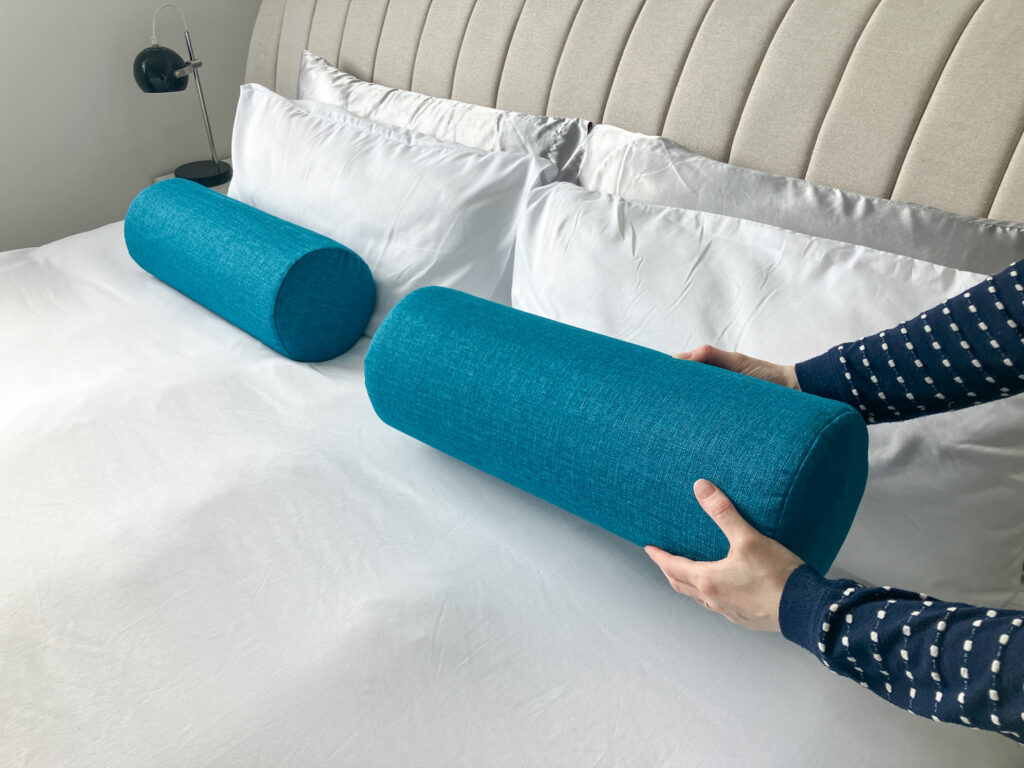
In fact, you can take this zoning idea one step further. You could use a curtain or a folding room divider to physically screen off the workspace on the weekends so that it’s hidden away – another example of out of sight, out of mind.
Or if you have plenty of space, you could install a freestanding storage unit across the room to act as a ‘wall’ between each area. It will provide extra storage for your work files on one side and offer space for your guests’ belongings on the other.
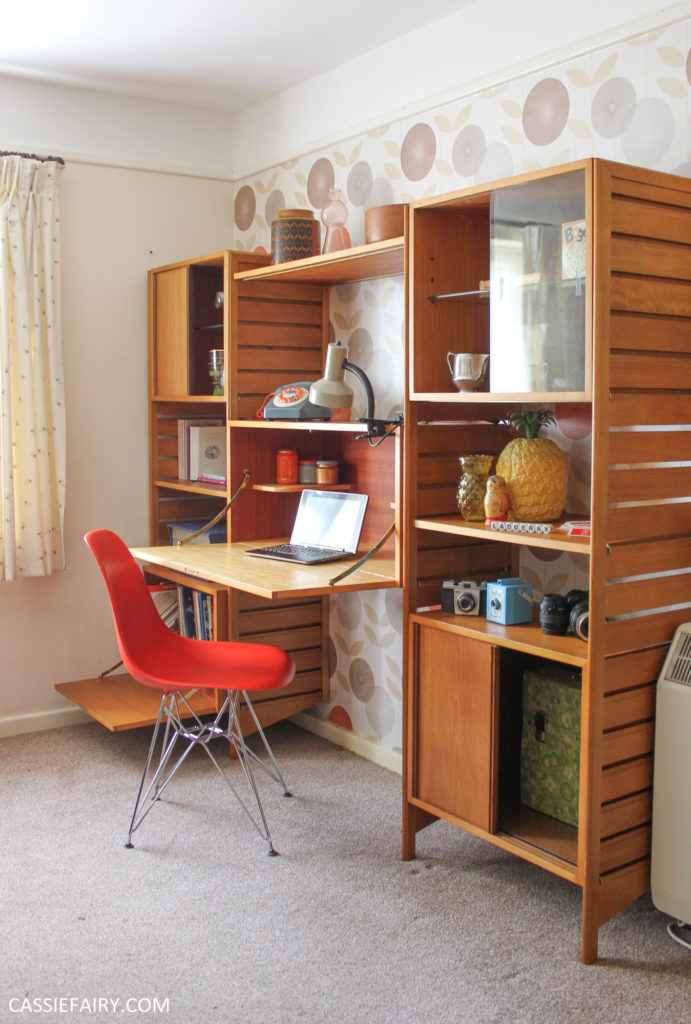
I hope these practical décor tips and furniture suggestions have given you some inspiration when creating your own dual-purpose guest room. I’m certain you’ll soon be welcoming friends and family to stay in your comfortable yet functional spare room.
Please share your own hacks for creating a work-from-home space in the comments below. I’d love to hear how you’ve set up your own aesthetically pleasing home office whilst keeping a cosy and welcoming guest room.
Pin it for later
This article is a sponsored collaboration. The pink links in the content indicate a sponsored link or information source. The blog post reflects my own experience and the sponsor hasn’t had any control over my content 🙂