



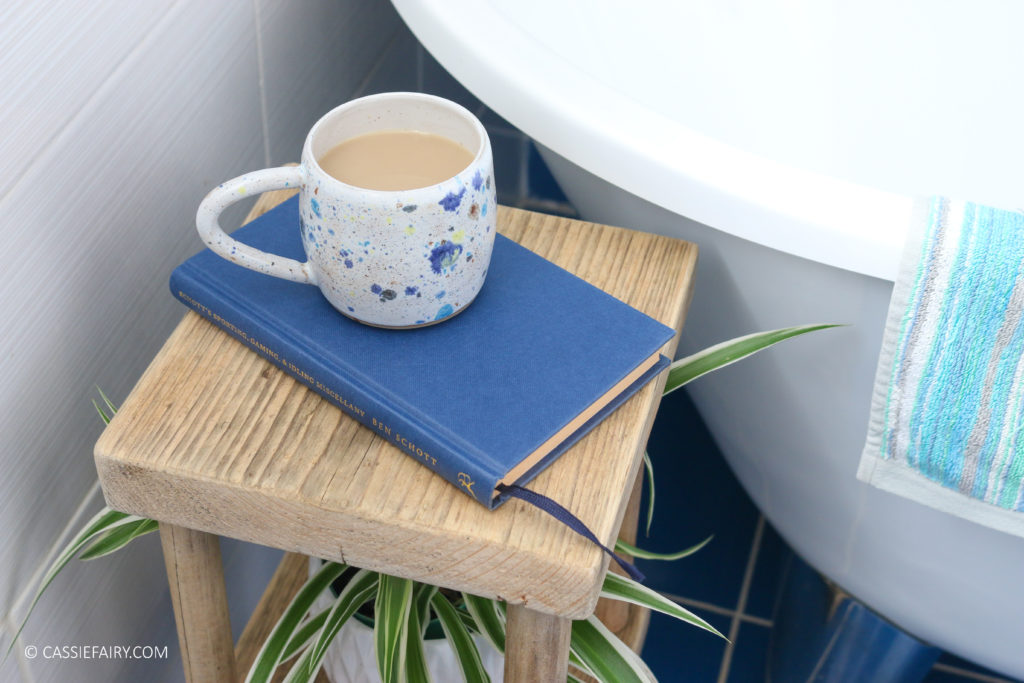
Enviable luxury today is not about lavish excess, but restraint, thoughtfulness and a sense of connection. More and more, homeowners are looking for spaces that combine elegance with responsibility; interiors that look refined but also feel restorative. Natural materials sit at the heart of this development.
The wider design world is taking note, and from industry journals to lifestyle magazines, coverage in the past year has consistently highlighted natural textures as the defining mark of luxurious modern interiors.
Wood veneer, once a behind-the-scenes material reserved for joinery, is stepping into the spotlight in the form of wall panelling. Designers are choosing these as focal points of their work, not just for their warmth and versatility, but because they tell a story about how we live now: mindful of resources and unwilling to compromise on beauty.
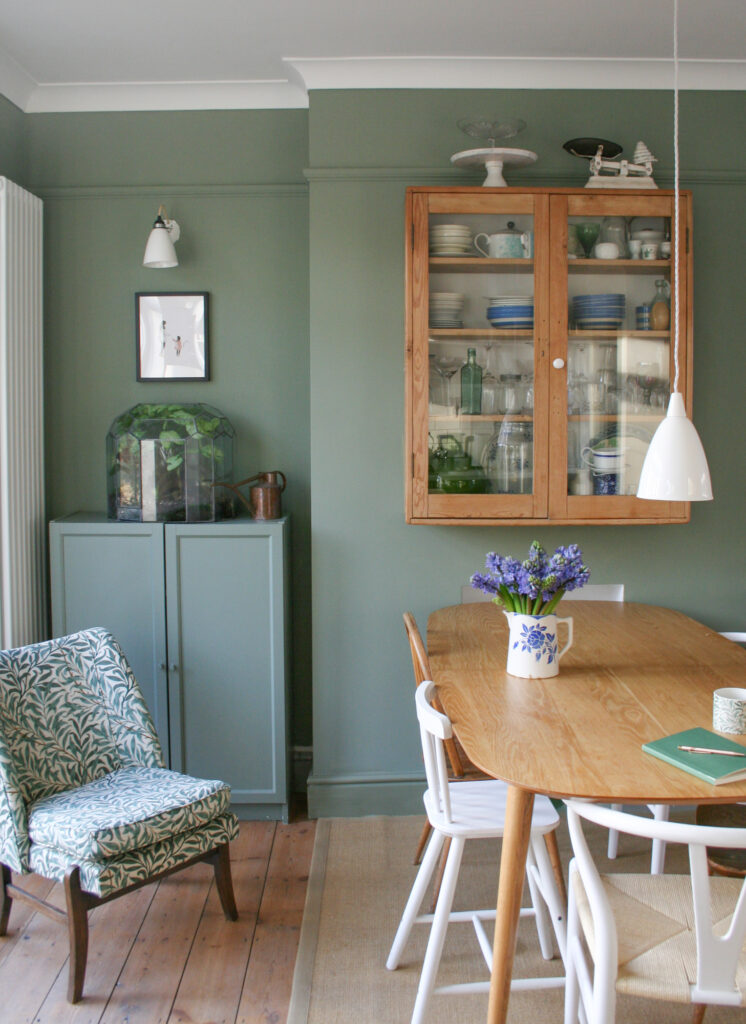
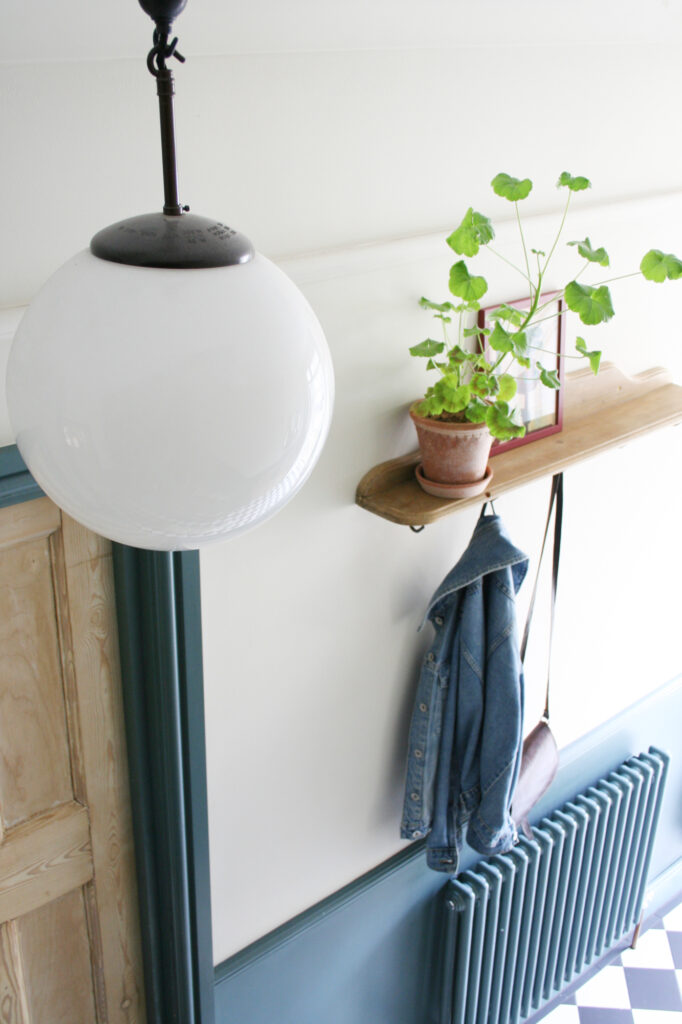
Images from Apartment Apothecary
Luxe Language
Where luxury once shouted from the rooftops, it now speaks in softer tones. The homes that feel most desirable are not those dripping in ornament and shining with luxe finishes, but those that are calm, tactile and exude an air of quiet confidence. Design gurus have already signalled a move towards moodier, richer wood tones in 2025 – a hop, step and jump away from stark white minimalism towards something more grounded and enduring.
It’s about more than colour palettes. The concept of wellness and mindfulness is becoming a design principle in its own right. Interiors are now being planned around natural light, acoustic comfort and biophilic cues, simply because people want homes that nurture positive vibes as well as impress.
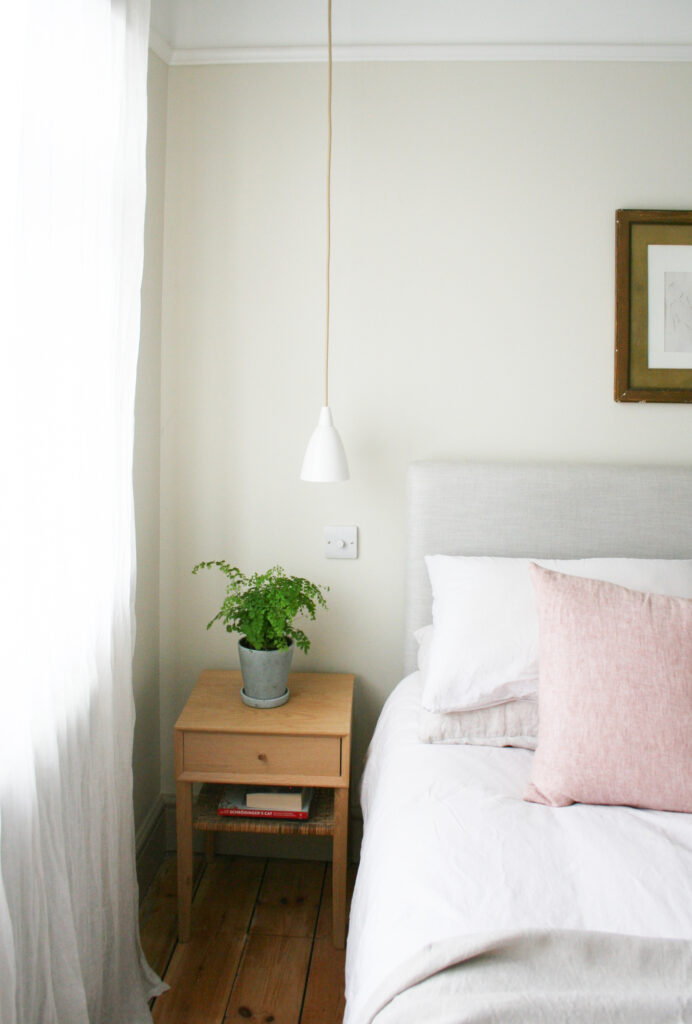
This could be as simple as adding sheer linen curtains to your windows to bring in more light, or you could arrange branches in a vase to bring the outside in. Or just imagine relaxing in a bedroom lined with acoustic wooden panelling – so peaceful. It’s no coincidence that the rise of eco-conscious interiors coincides with a growing cultural emphasis on mental health, rest and connection to nature. The two are intrinsically linked.
From Forest to Foyer
Part of what makes this new approach resonate is that consumers want to know where their materials come from, how they are made and what impact they have on the environment. Wooden finishes are very much in tune with modern, eco-conscious sensibilities, but you don’t need to invest in chunky, expensive timber when you’re DIYing your decor.
Instead, try an alternative natural material to make the DIY process easier, cheaper and more sustainable. By slicing timber into thin sheets, veneer or tambour makes it possible to use far less raw wood in the manufacturing process, while still capturing the grain, tone and the character of the tree. The effect is authentic, but the footprint is far lighter than solid wood offerings.
Just as practicality matters, so too does transparency. Environmental Product Declarations are now more widely available for wood products, allowing both designers and homeowners to see clearly what they are choosing. Certification carries weight too, and the FSC logo (one to look out for) is instantly recognisable, with buyers increasingly expecting to see it when selecting furniture or finishes.
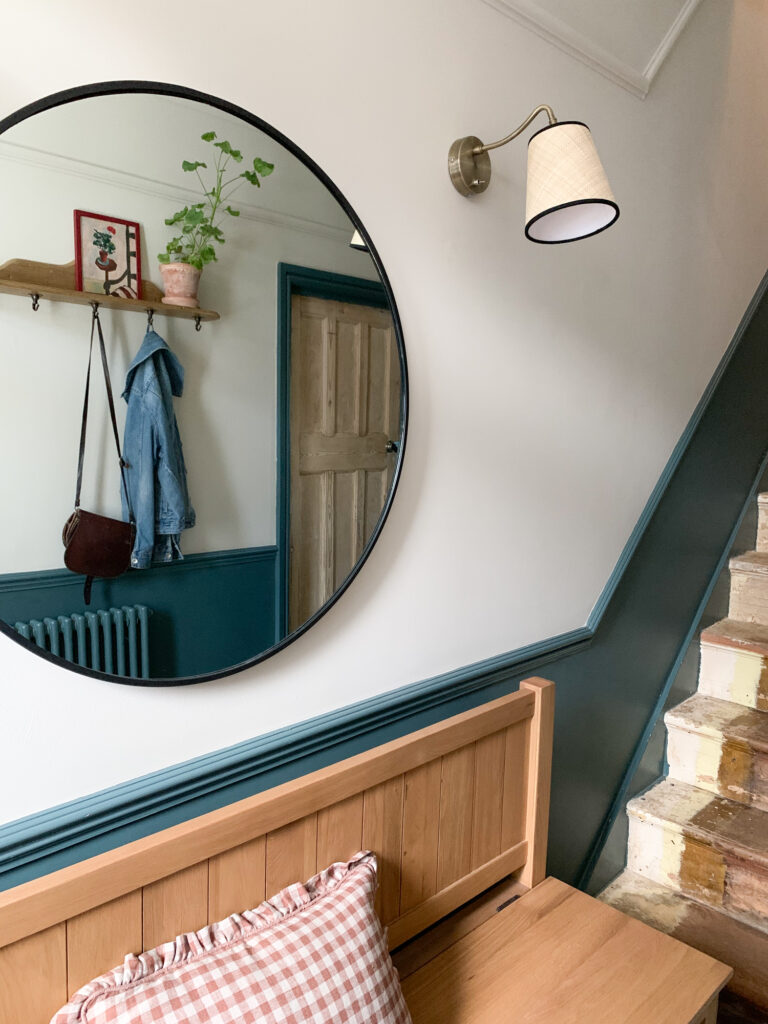
Eco-Chic in Practice
So how does sustainable luxury actually take shape in our homes? The answer lies in the way designers are combining responsibility with style – a trick that you can certainly steal when decorating your own rooms.
Minimalism hasn’t disappeared altogether, but it has softened. Instead of white-on-white austerity, we are seeing pared-back spaces enriched with texture: a ribbed cabinet in walnut veneer, a matte stone countertop, linen upholstery that feels lived-in. This is minimalism with warmth, and wooden finishes play a central role in giving those spaces character.
The palette has grown as well. Pale Scandi oak is giving way to darker, moodier woods. Designers are mixing tones – walnut paired with lighter grains – to create contrast and depth without tipping into heaviness.
Inspiration is also flowing from Milan Design Week 2025, where sculptural furniture and richly crafted natural surfaces were among the highlights. You can DIY these designer finishes by wrapping veneer around a console with curved corners or by adding your own fluted finish to a sideboard using thin wooden slats to bring some of that high-end style into your own home.
Wellness is another aspect of interior design these days. Natural sightlines, acoustics softened by wood finishes and lighting that shifts with the day all feed into the sense of a home as a sanctuary. Wood veneer, with its calming textures, sits neatly within that movement. At the same time, we, the consumers, expect the sustainability story to be documented with facts, not promises – which is why retailers are providing proof, in the form of certifications and environmental disclosures.
Current Design Flows
The wider design conversation reinforces this change in direction. Warm minimalism – calm, uncluttered interiors enriched with natural materials – remains the dominant mood, but there’s also a playful twist moving to the forefront, in what some are calling “Scandi maximalism”. Layering of woods, patterns and colour within a Nordic framework gives spaces more personality without losing clarity.
Textural detail is another strong theme. From curved cabinetry to ribbed panelling, it’s possible to make surfaces tactile, not just visual. You could DIY this effect with self-adhesive veneer, split wooden dowels or flexible tambour. Available in a range of woods and grains, these DIY products are ideal for adding texture in smaller spaces (where every inch matters) by providing warmth and polish without the bulk of solid timber.
I hope this article has given you some inspiration for choosing sustainability and natural materials when giving your rooms a calming makeover. The homes that will define the next chapter of luxury won’t be those packed with rare materials and shiny surfaces – they’ll be the ones that restore and ground us. Wood panelling and veneers have a vital role to play here, since they offer the look and feel of natural wood while making smarter use of resources.
Let me know in the comments below how you’re embracing eco-chic living or if you’ve used natural materials to create quieter, warmer and infinitely more meaningful space in your own home – I’d love to hear your DIY hacks.
Pin it for later
This blog post is an advertisement feature that has been written in collaboration with a sponsor. The pink links in this post indicate a sponsored link 🙂