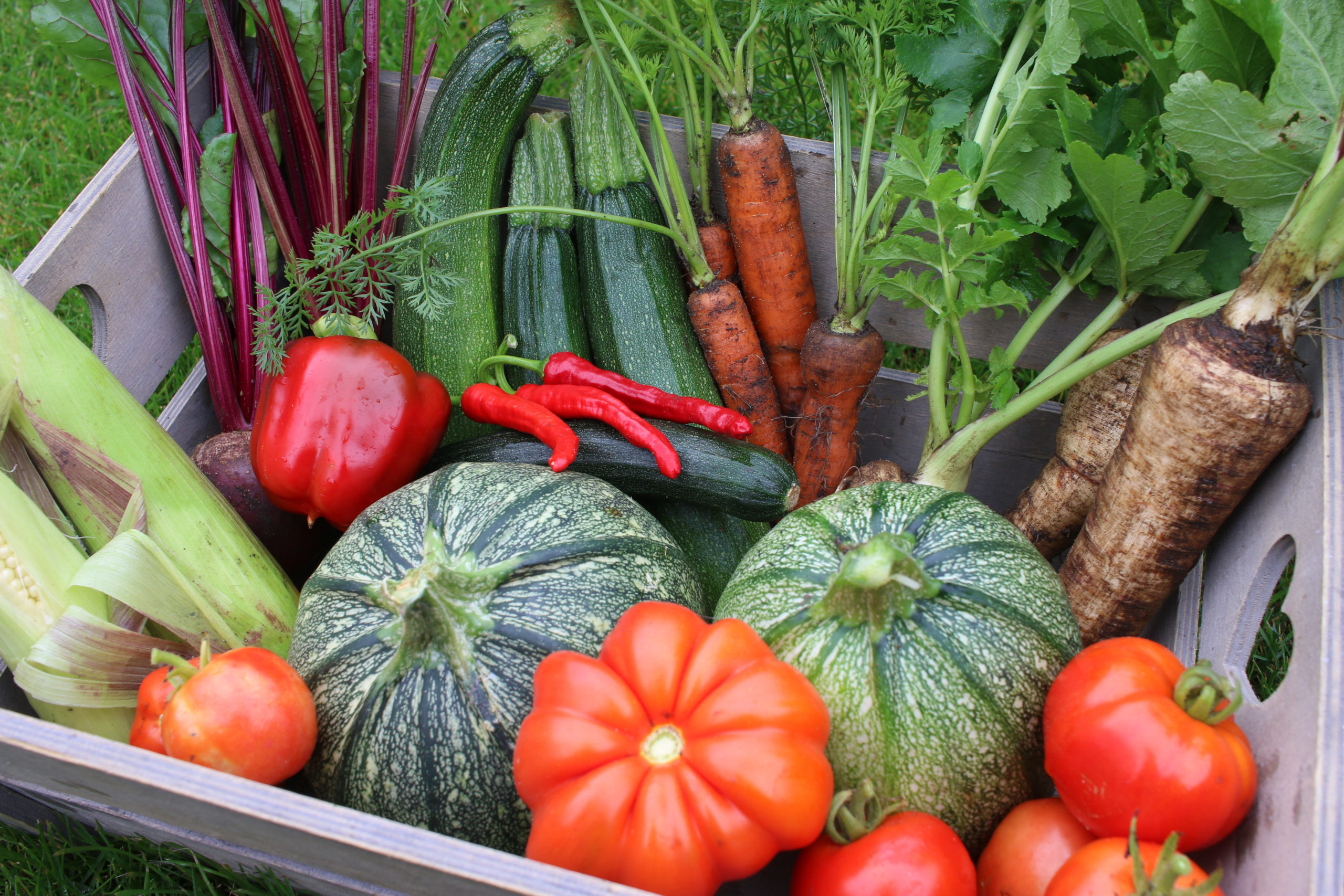




I’m sharing how a greenhouse can transform winter gardening, protect delicate plants and keep your veg plot thriving long after summer fades. Plus, here are some clever systems to help make cold‑season growing almost effortless and give self-sufficiency a boost when the chilly weather comes…
If you’ve been reading my blog for a while, you’ll know I’ve had an allotment and a small kitchen garden plot at home for the past 6 years. I loved growing my own fruit and veg – and the money-saving benefits that came with it.
However, after learning what not to grow in my veggie plot and being inundated with produce (and weeds!) at times, I’ve finally found the happy medium between growing my own and becoming overwhelmed by the amount of labour involved.
Now that September is here, the garden growing is slowing down – we’ve got hardly any tomatoes left on the plants and I’ve dug over the beds where my crops have already finished. It got me thinking about ways I can extend the productive season.
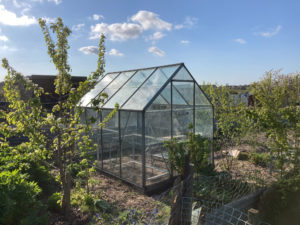
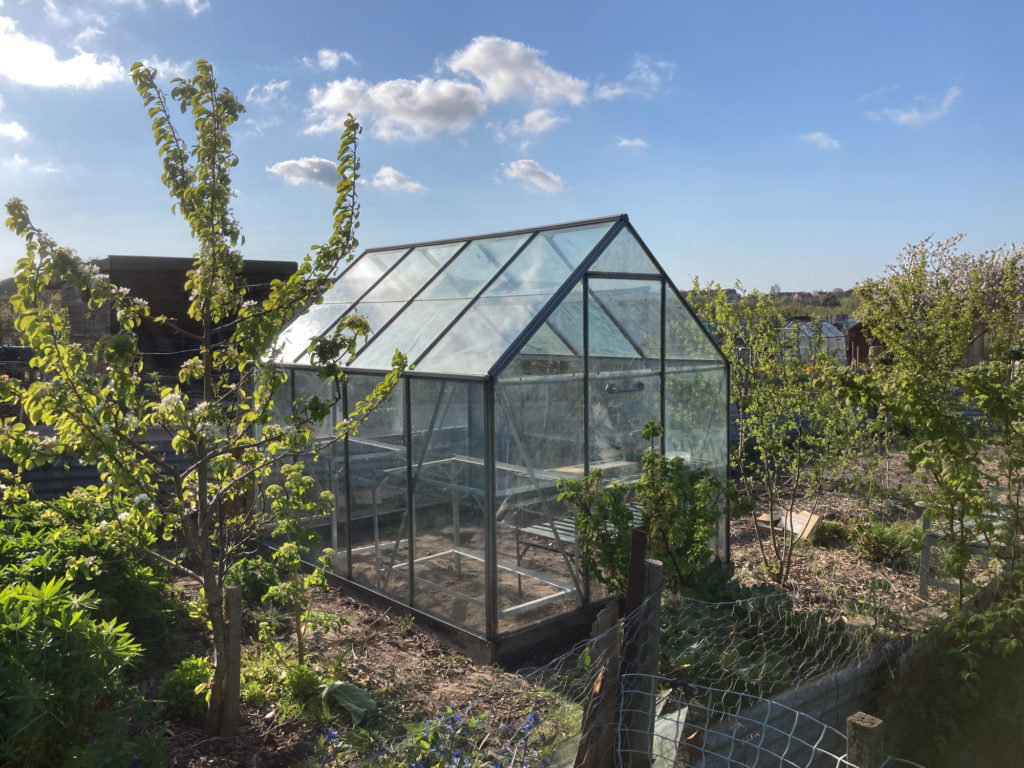
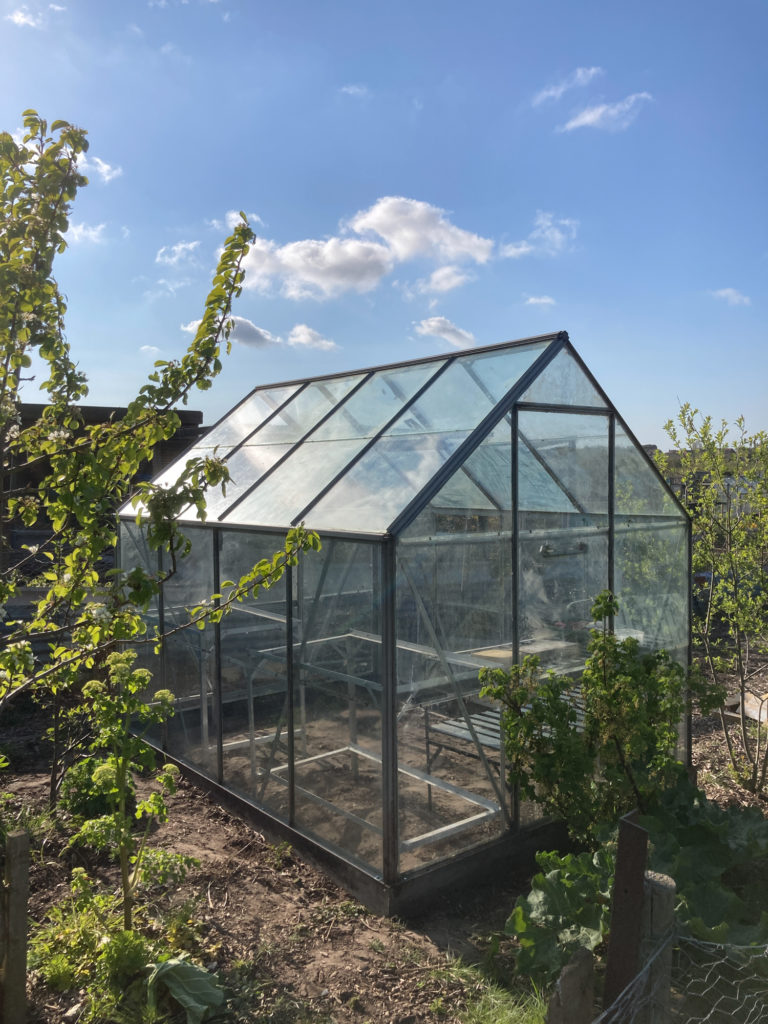
That’s where a greenhouse comes in. After moving out of my allotment, I now only have a cobbled-together version of a greenhouse, made using off-cuts of polycarbonate sheets and pallet wood, and it’s not really weatherproof for winter, so I want to see what options would be best for my garden so that I can keep growing fruit, veg and salad long after the garden slows down.
Extending the Growing Season
I think that growing my favourite produce inside a greenhouse will be beneficial when the temperatures plummet in the autumn; I’ll be able to keep harvesting leafy greens, herbs and hardy veg well into the winter months.
As long as the plants are established in the autumn before the daylight hours change, I’m confident that I can grow some of the cheapest veg to grow from seed inside my greenhouse, like my favourite rainbow chard, the spinach that I eat every day, kale, beetroot and carrots for Christmas dinner!
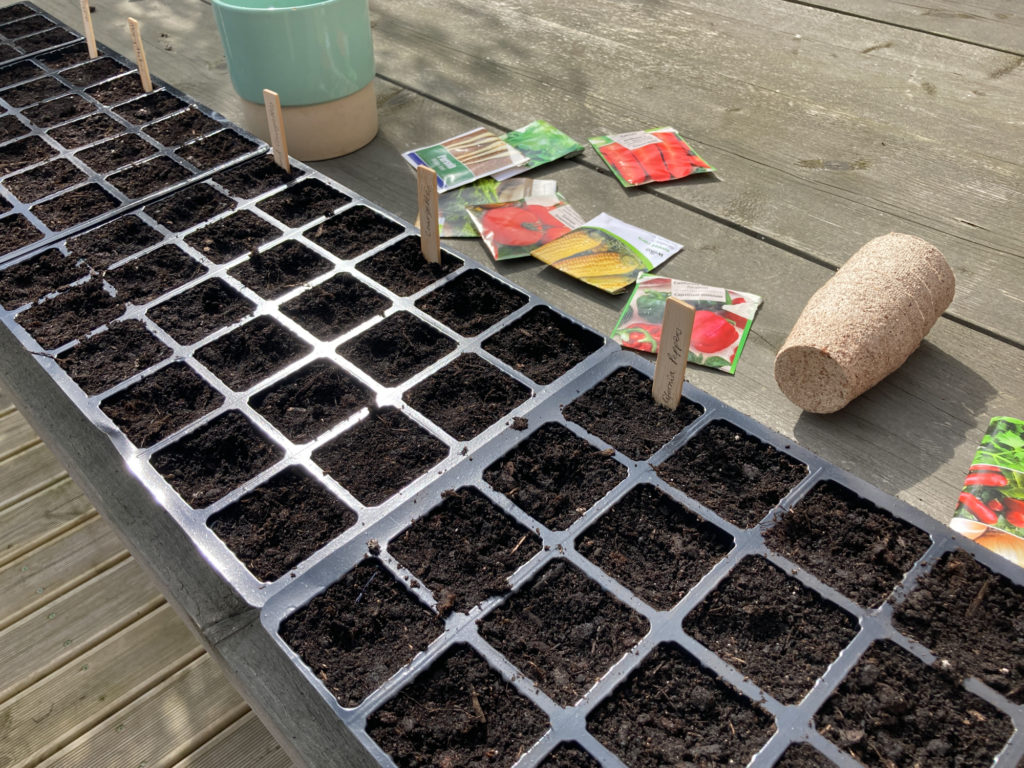
But I’m not just talking about extending the growing season into the winter, but also getting a head-start in the new year too. A greenhouse traps warmth and protects seedlings from frost, so I can get started on sowing early – perhaps even in March, like my Father-in-law does.
Plus, I can stagger my sowing to have continuous crops of peas, carrots, beans, spinach, courgettes and so on. I love the idea of successional sowing for crops that bolt and for fast maturing veg, as it means I won’t have a glut of produce all at once – one of the lessons I learned from my allotment.
Protecting Delicate Plants
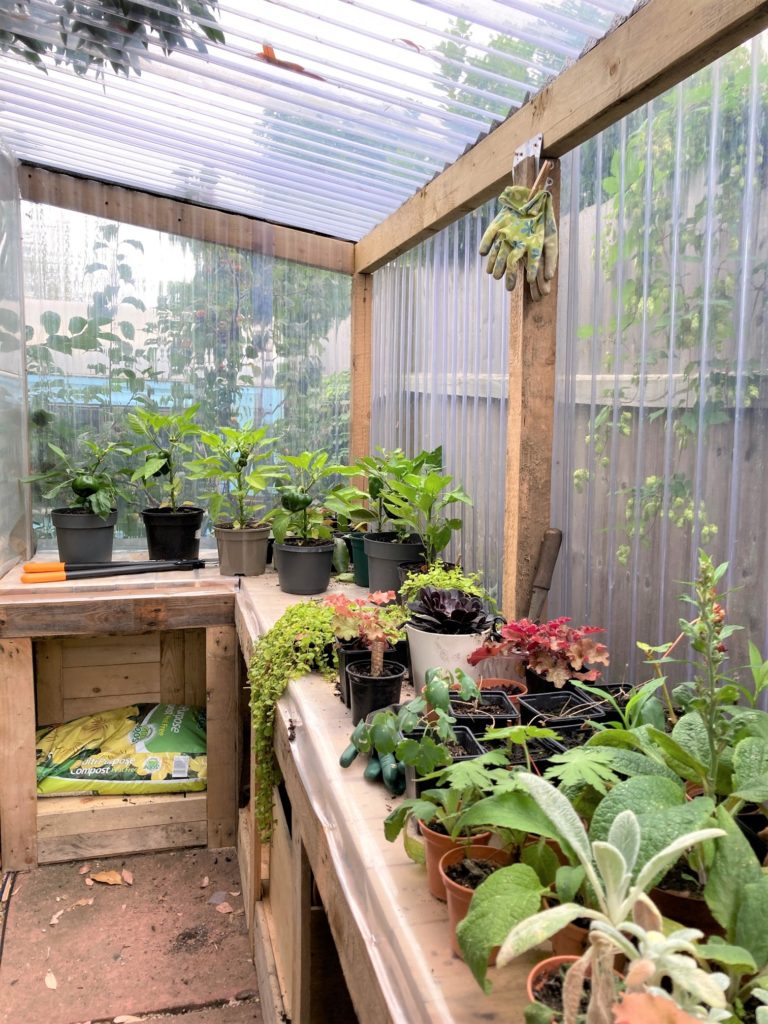
Some plants simply don’t enjoy the unpredictable British weather, especially here on the breezy Suffolk coast. A greenhouse gives them a sheltered home where they can flourish without battling wind, rain, or sudden cold snaps.
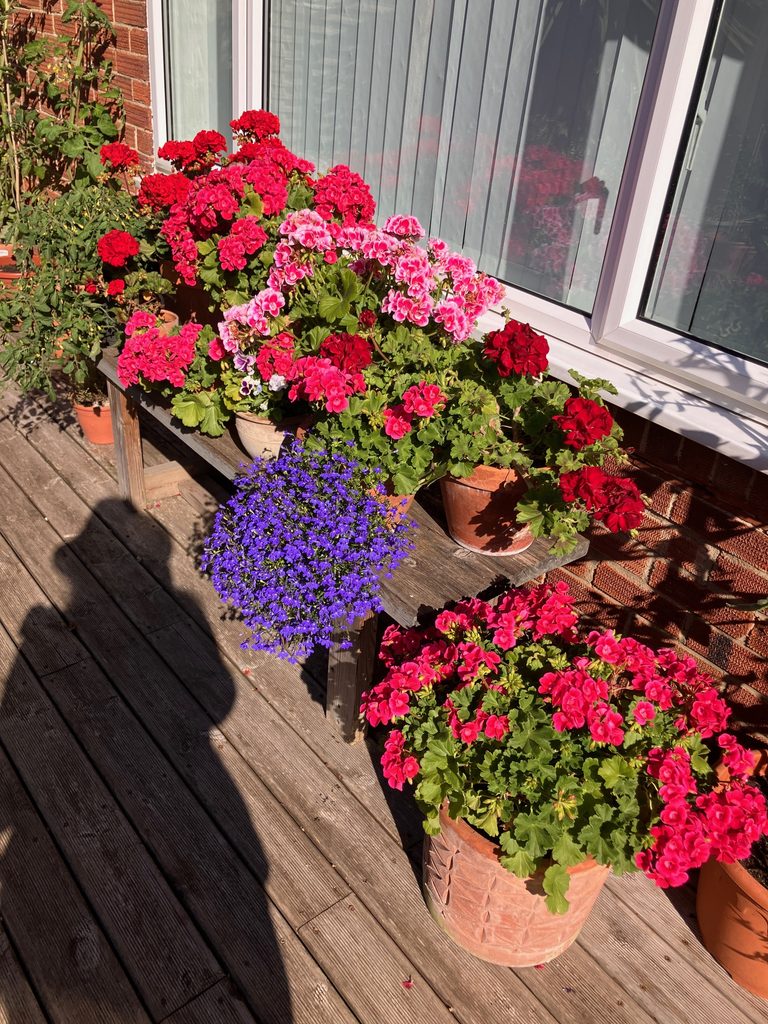
I’m excited by the prospect of having space where tender plants can survive the winter, including my potted geraniums that usually come indoors when the frosts arrive. I’ll investigate whether I can overwinter more types of perennials, which will ensure my garden is packed with blooms when they are brought back outside in the spring and summer.
Low-Maintenance gardening
Self‑opening vents in a greenhouse are a game‑changer because they regulate temperature without me needing to dash outside. We often get really mild autumns here so, on those sunny days, it’s likely the greenhouse would need opening up to prevent overheating, so those vents are a must.
Automatic watering systems and solar‑powered fans keep everything ticking along, even when I’m busy or the weather is too chilly for pottering in the garden. I want the greenhouse to be almost maintenance-free so that I don’t have to go outside in a storm.
Also, I know it’s possible to get heated greenhouses and then there will really be no stopping me – I’ll be able to grow so much fruit or veg over the winter that I’ll be almost self-sufficient. However, I imagine that the costs involved with running a heating system would be high, so I’ll have to look into this.
Perhaps just a propagator with a small temperature-regulating mat will be enough to get my seeds going during colder weather and give me a head-start on my veggie patch next year. By the time spring arrives, I’ll already have strong seedlings ready to move outdoors.
Speaking of which, a greenhouse combined with a shed, like those at Dunster House, would be most handy for sowing and growing; providing space for storage and potting with plenty of protection for my seedlings and plants. I can add a solar-powered light so I can work out there in the dark evenings too.
With a greenhouse and some of these labour‑free systems to care for my plants, winter gardening becomes surprisingly easy. I can enjoy fresh growth without constant monitoring, and it feels like the garden is looking after itself when I’m low on time or motivation.
If you’re loving your allotment or kitchen garden, I hope my musings today have helped you decide whether a greenhouse would help to extend your growing season. I’m excited to see what thrives when given just a little protection. I’d love to hear what you’re growing this autumn and winter so please share your tips the comments below.
Pin it for later
This article is a sponsored collaboration. The pink links in the content indicate a sponsored link or information source. The blog post reflects my own experience and the sponsor hasn’t had any control over my content 🙂