



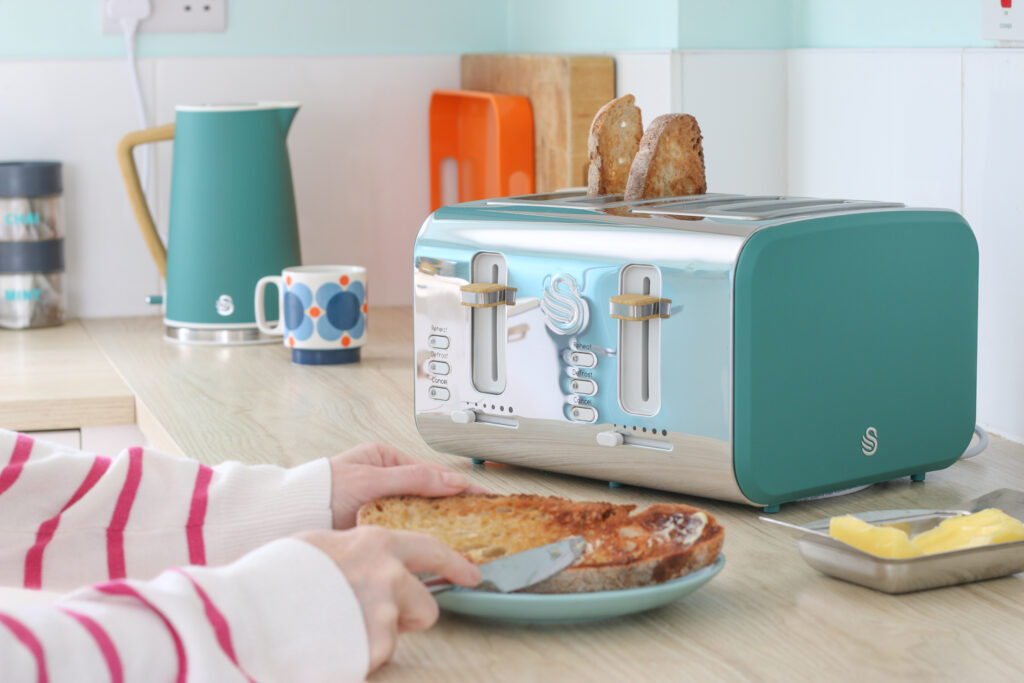
I’ve recently given my kitchen a makeover. And, in true Cassie Fairy style, it was the thriftiest update ever. I saved money on almost every part of the design, from the cupboards and handles to the plumbing and appliances.
However, I’ve since discovered some ongoing costs that are essential for the smooth running of my kitchen, including filters, maintenance and repair, so I’m going to share my findings with you today in the hope that it’ll help you to prepare for these expenses in advance.
Replacement filters
If you have an extractor hood above your oven or a boiling-water tap at your sink, you’ll probably already be aware that it comes with a filter fitted. These appliances will run perfectly with the supplied filter for a number of months, and there are elements that will affect how often you’ll need to change them.
Depending on the specific brand, the charcoal filter in your cooker hood may be effective for around a year – or possibly more if you’re not heavy hob users. If you usually cook in an air fryer or microwave, it’s unlikely that the filter will get clogged up quickly.
Likewise, most under-sink tap water filters should last 6 months, but the lifespan of the filter could be longer or shorter depending on the water quality and hardness in your area. Check the guidelines that come with your boiling-water tap because you’ll need to change the filter at the right time in order to keep the unit functioning well.
But whatever filters you have in your kitchen appliances, you’ll definitely need to replace them at some point so it’s worth doing one of these options:
- If you’re refitting your kitchen and haven’t already chosen your appliance, check the cost of the replacement filters before you buy and install the extractor hood or tap. That way, you can choose the brand with the lowest-priced replacements in order to minimise the ongoing costs.
- Or, if you already have an appliance fitted, be sure to shop around for the best price for filters. The brand’s website is unlikely to be the lowest price and you’ll probably be able to get a compatible unbranded replacement filter.
- When you’ve found the best price, see if you can buy the filters in bulk. You may be able to get the cost down further by buying a pack of two, five or ten filters at once. Just be sure to check the expiry dates – some water filters only have a couple of years ‘in date’ so, by the time you use the 5th filter, it might not be effective.
Ongoing maintenance
I’ve discovered that, after many years of use, some appliances survive better than others. And, when an appliance starts being ineffective – or completely breaks down – you’re going to need to spend money on maintenance and repair.
I remember that it was commonplace in my childhood that repair engineers would come to the house to fix washing machines, ovens and tumble dryers. And vacuum cleaners would be taken to the repair shop to be given an overhaul. No appliance was binned and replaced – parts were changed and the appliance would carry on.
While that may be less likely to happen nowadays, it IS still possible to get a professional to take a look at appliance issues and repair the broken part, which will save you money on replacing the whole appliance. Of course, there WILL be times when a machine will need to be replaced – you can spot the signs it’s time to upgrade your appliances – but smaller issues can be fixed.
Our fridge freezer, for example, has a problem with the drainage, with condensation pooling inside the fridge and needing to be regularly wiped out. The drainage hole needs unblocking or repairing and, despite our best efforts, we haven’t been able to fix this issue ourselves, so we will need to look at booking a maintenance appointment for the repair.
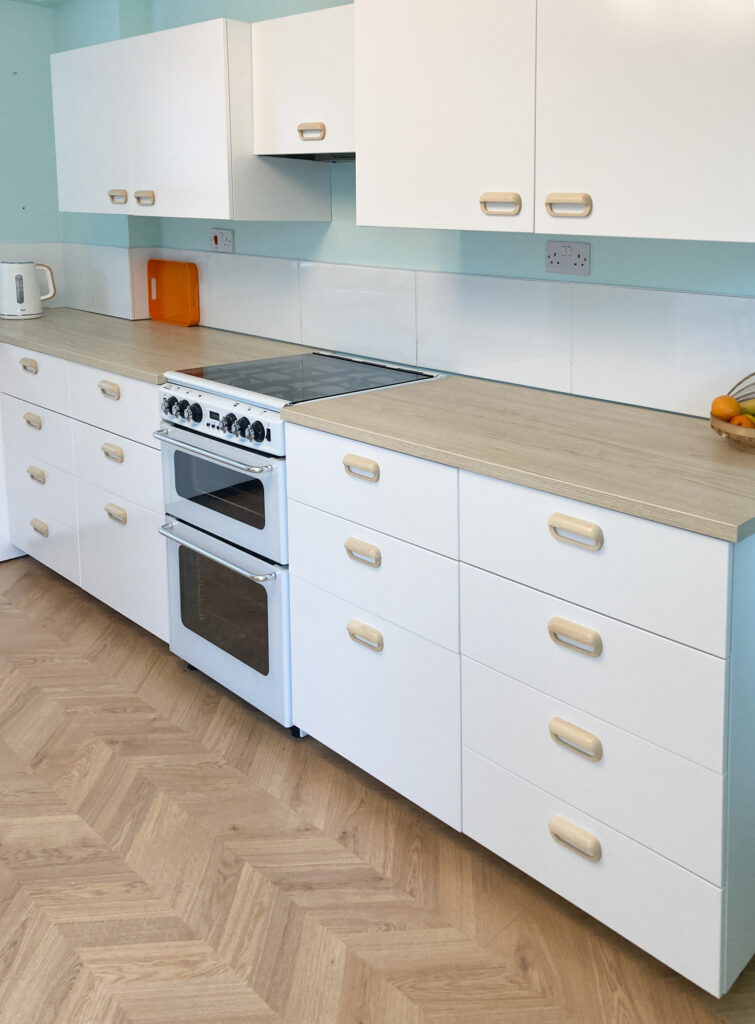
Repairing an appliance is sometimes something you can tackle yourself – although not where electrics, water or gas are concerned. I’m talking about the time that the hinge of our oven door snapped and we couldn’t close it. We went online to find a compatible part, ordered the replacement and simply screwed the new hinges onto the oven = problem fixed for a few pounds.
Cleaning & limescale
Keeping your kitchen appliances fresh isn’t just about appearances (and smell!); it’s about helping them work better for longer. Washing machines and dishwashers, for example, quietly collect detergent residue, grease and – if you live in a hard‑water area – limescale.
Running a dedicated cleaning cycle or using a maintenance product helps dissolve that build‑up before it becomes a problem. It keeps the drum, pipes and spray arms clear so the machine doesn’t have to work as hard, which means fewer breakdowns and more efficient washes.
Over time, that translates into real savings: less energy used, fewer call‑outs and a machine that lasts years longer than it would if left to fend for itself. If you prefer to avoid expensive branded cleaners, look for non‑abrasive descaling powders, enzyme‑based machine cleaners, or multi‑purpose appliance maintenance tablets – they’re all designed to tackle grime without damaging the appliance.
Limescale is the sneaky culprit behind cloudy glasses, stiff laundry and noisy appliances, so a little prevention goes a long way. If you take a look inside your kettle and see how regularly the limescale builds up, you’ll be able to see how the water hardness in your area could be affecting the inside of your washing machine or dishwasher.
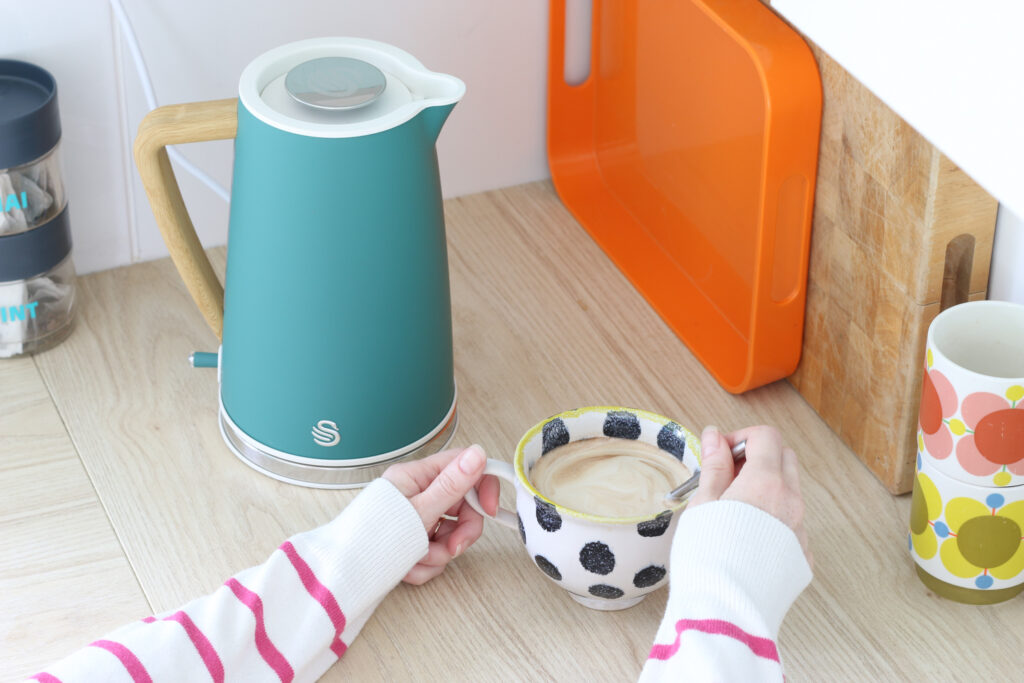
Regular cleaning cycles help stop mineral deposits from clinging to heating elements, which means your machine heats water more efficiently, saving money on your electricity bill. That’s one of those invisible money‑savers you only notice when it’s too late – like when the dishwasher suddenly takes twice as long or the washing machine starts to smell a bit ‘off’. A monthly maintenance routine keeps everything running smoothly and avoids the slow creep of inefficiency.
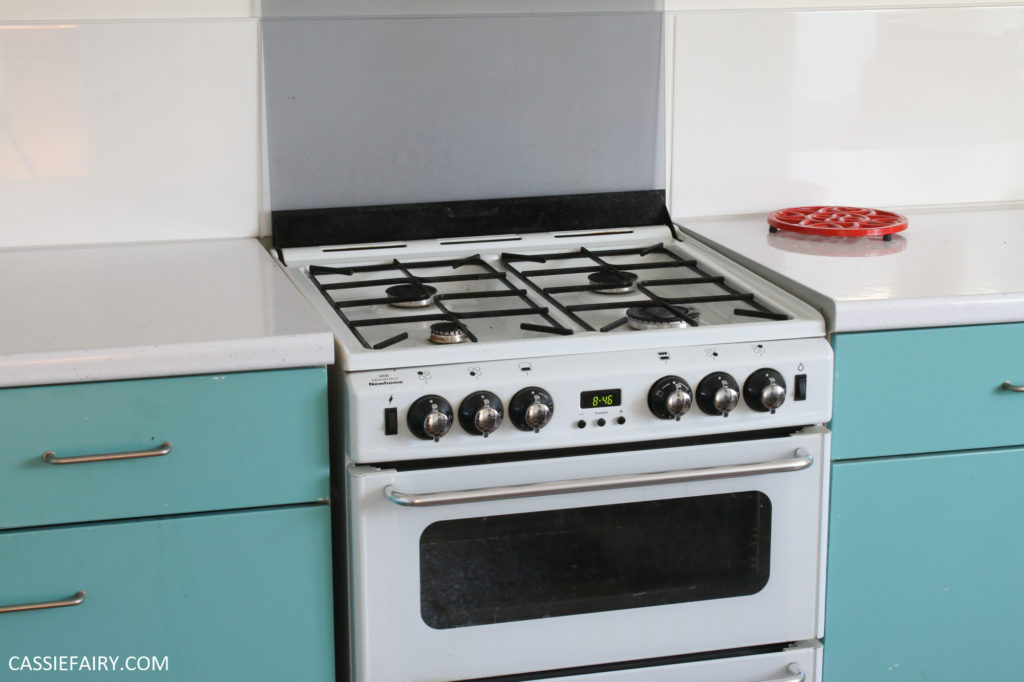
And then there are the appliances that do the hard work for you. Self‑cleaning ovens use high heat or catalytic liners to break down grease as you cook, so you’re not spending your weekend scrubbing burnt‑on spills. It’s a genuine time‑saver and helps the oven maintain an even temperature, which means better baking and less wasted energy, so it’s worth considering this option if you’re installing a new kitchen.
Frost‑free fridges and freezers are another quiet hero: by preventing ice build‑up, they keep airflow consistent and the motor running efficiently. No more defrosting marathons, no more chipped knuckles and, again, lower running costs over the life of the appliance. Little features like these don’t just make life easier; they help your kitchen work smarter, not harder.
I hope these suggestions for ways to make your kitchen appliances more efficient will help to save you time and money in the long run. Please let me know your own tips for cleaning or maintaining your appliances in the comments below, it’s always helpful to me to hear your hacks. 🙂
Pin it for later
This article is a sponsored collaboration. The pink links in the content indicate a sponsored link or information source. The blog post reflects my own experience and the sponsor hasn’t had any control over my content 🙂