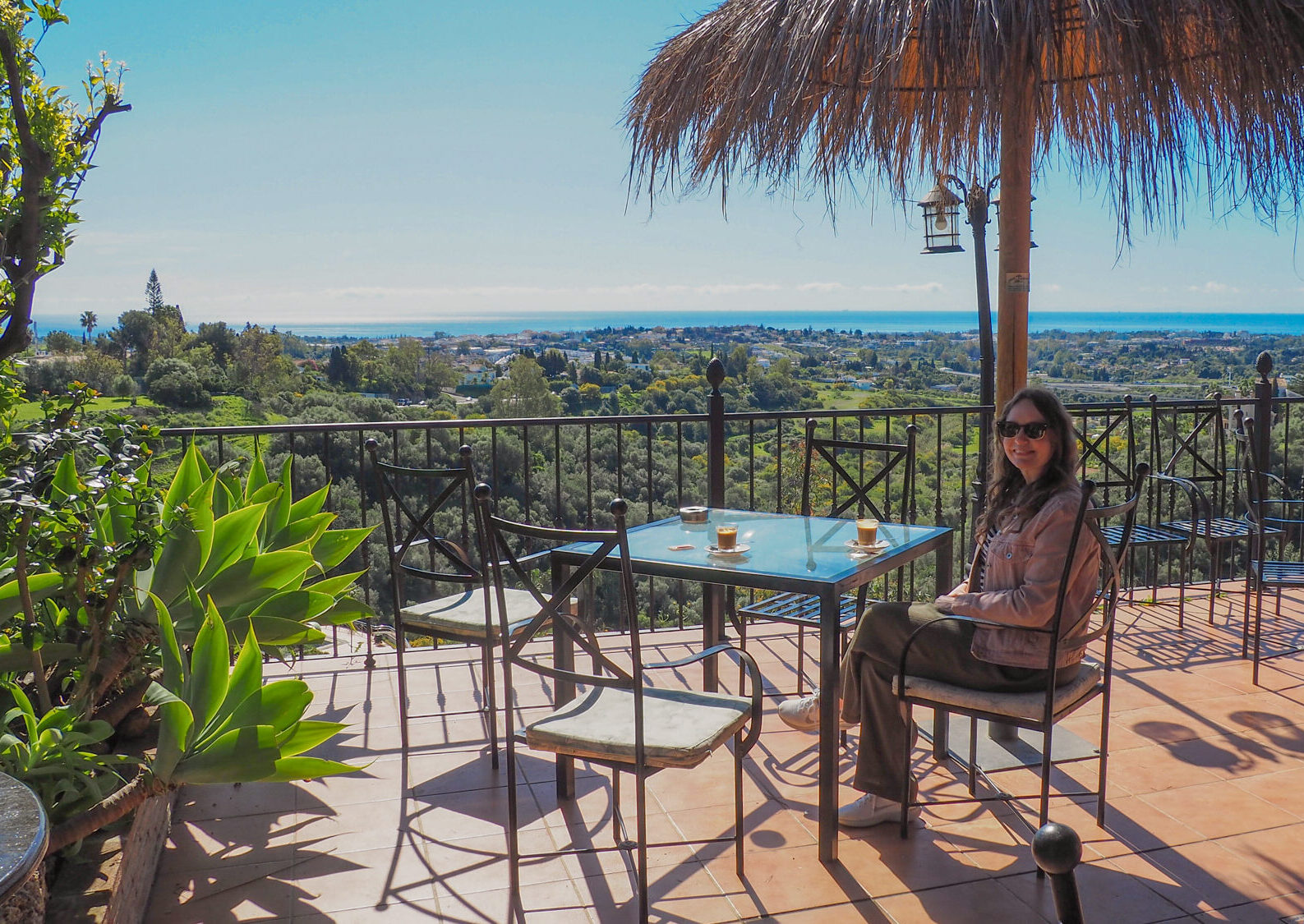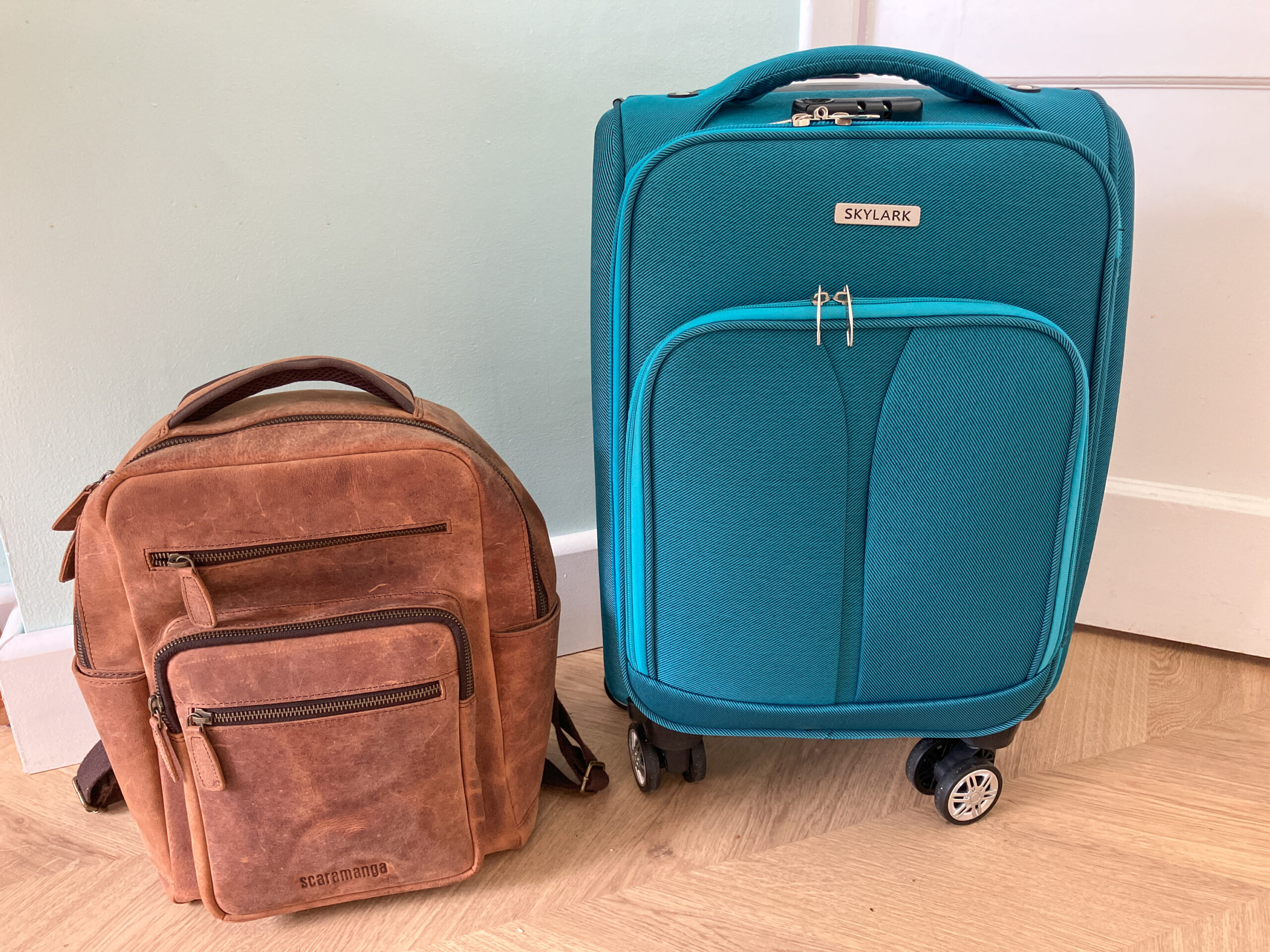



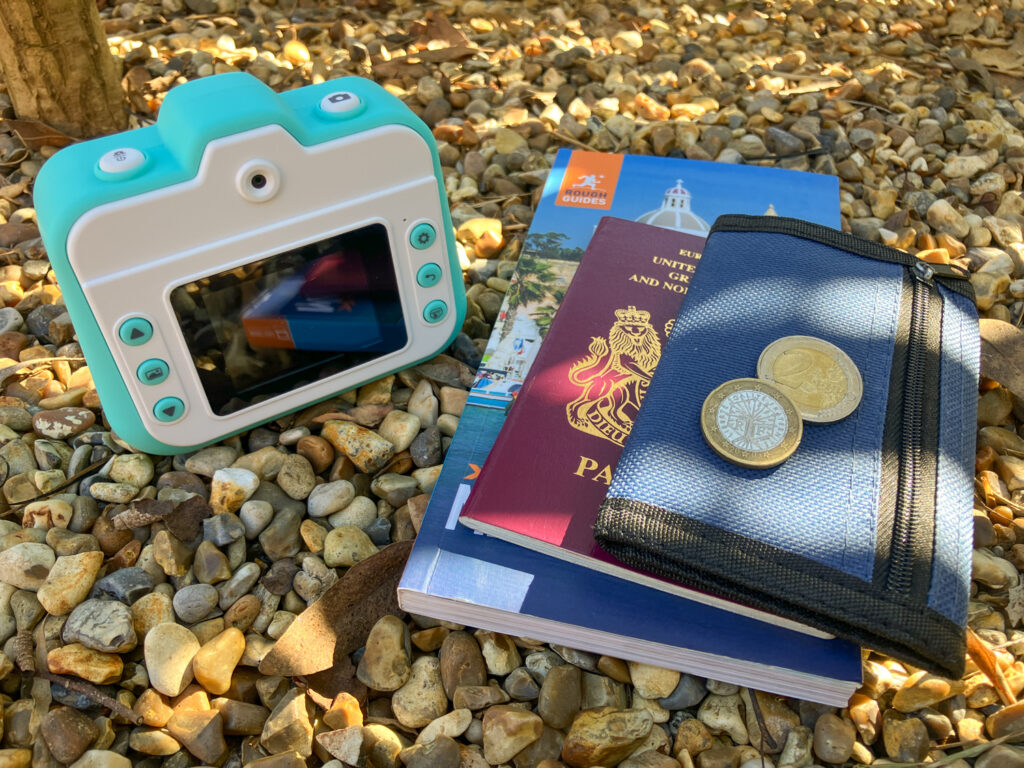
When you picture moving abroad, it’s usually all sunshine‑soaked streets, new foods to try and the thrill of learning a few phrases in the local language.
But once you actually unpack your suitcase, the financial side of living, working or studying abroad needs to be addressed. Suddenly you’re dealing with unfamiliar exchange rates, tax rules that difficult to understand and banking systems that are very different to back home.
Still, you shouldn’t have to sacrifice those spontaneous, joy‑filled moments that make living and travelling abroad so special. A little structure, flexible money habits and a willingness to learn the ropes can make all the difference.
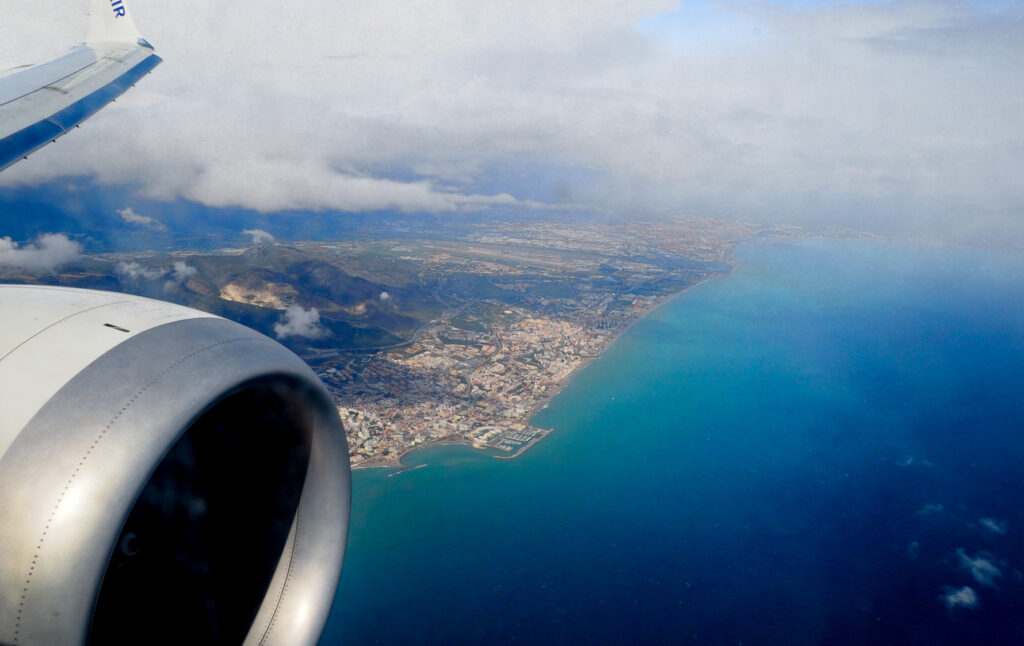
Navigating the Complexity of Foreign Money Systems
One of the first shocks for many expats is discovering how different payment systems can be from country to country. In some places, tapping your card is the norm; in others, you’ll feel lost without a pocketful of local cash. I’ve even found myself hunting down Post Offices that open around 11am (ish) and close at lunchtime.
If you’re living abroad for a longer amount of time, opening a local bank account as a non‑resident can feel like a mini‑quest. You’ll gather documents, queue at offices and discover unexpected fees. Even maintaining a minimum balance can come with conditions so always read the small print!
While you’re waiting for your account to be approved, digital tools can help you keep track of your spending. Financial advisors can guide you through budgeting for your new life, and online platforms offering AI-driven financial planning can analyse your income and expenses while you’re living abroad to give personalised insights.
Exchange rates matter more than you might expect. A simple meal out can cost far more once your bank adds its currency conversion fees. It’s worth choosing a bank that offers low‑cost international transfers and competitive exchange rates while you’re living in another country.
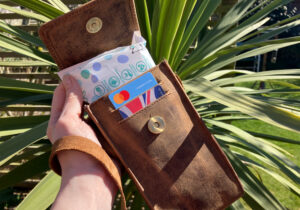
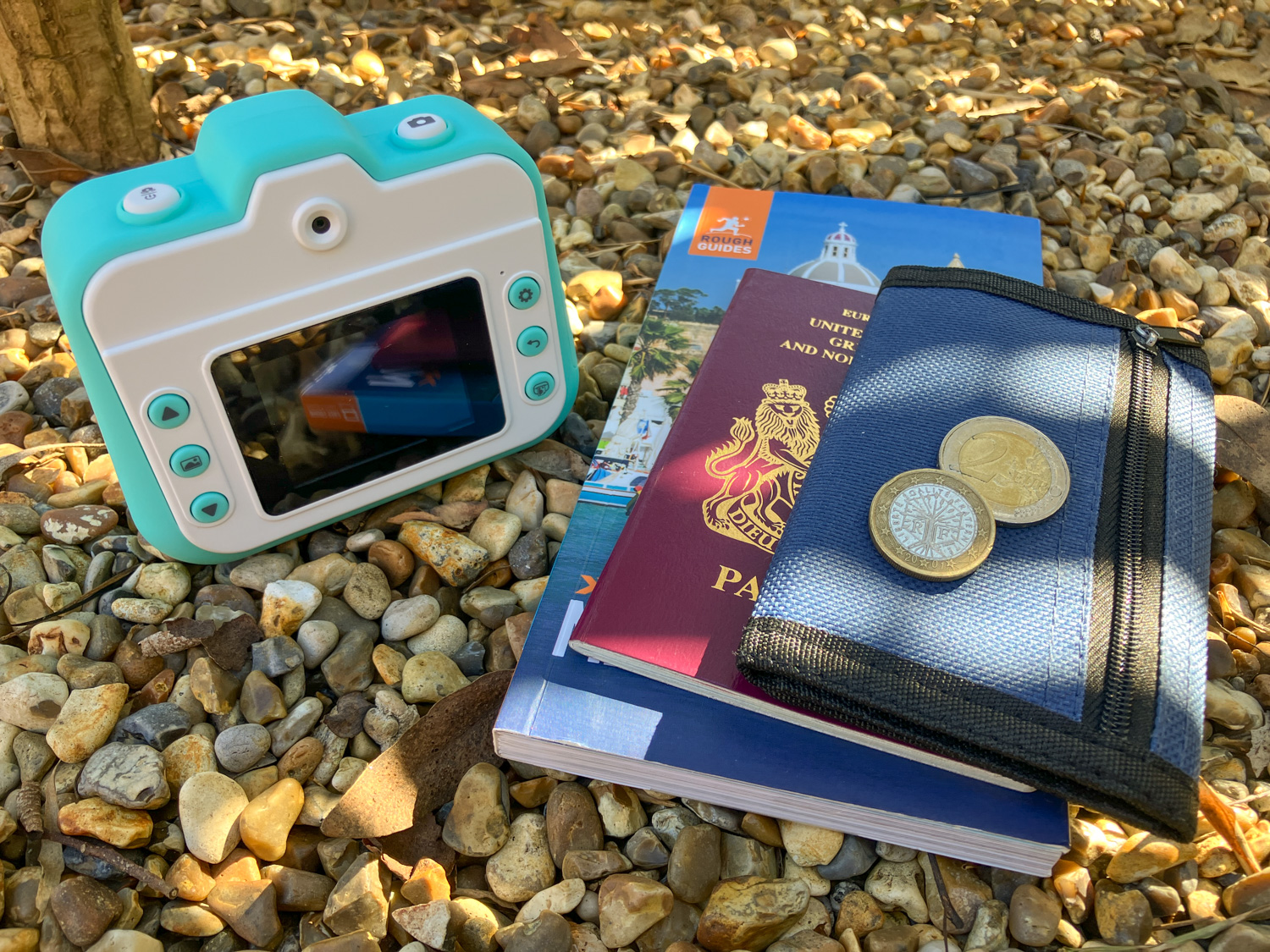
Or you could use a pre-loaded currency card (like the Post Office Travel card I use while on holiday) as the currency is converted when you add money to the card and there are no further fees, so you won’t find an unexpected conversion fees on your statement.
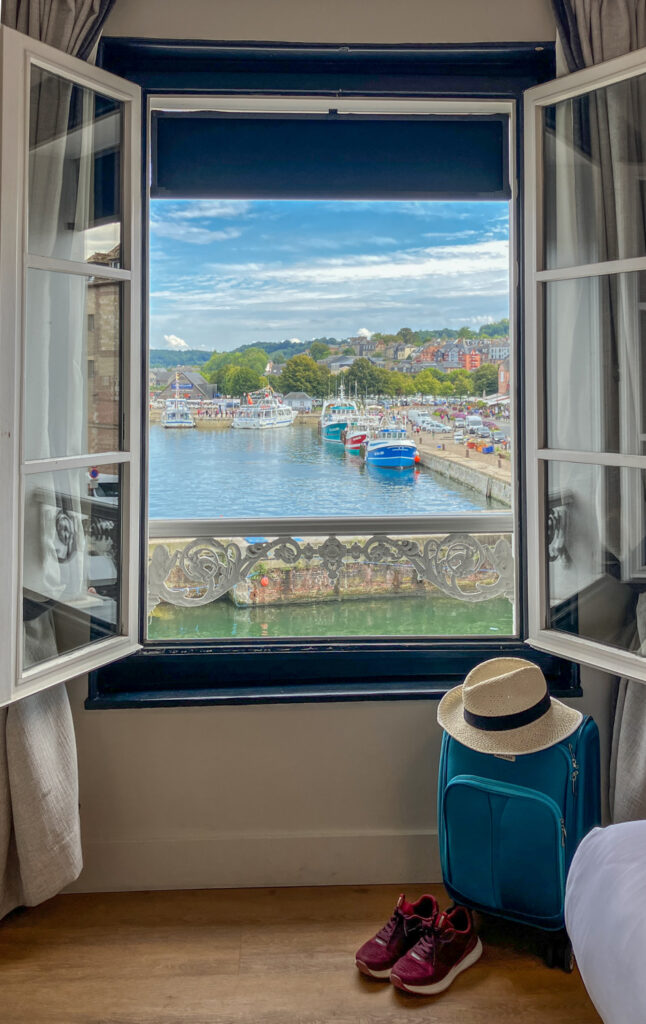
Building a Realistic Expat Budget
Budgeting abroad is a whole new experience. Prices for fresh produce can be wonderfully low when it’s grown locally, while imported goods might cost a small fortune.
Public transport varies wildly too, I’ve visited places where buses were practically free and others where a single journey felt like a luxury.
If you’re staying on an extended study or work visa, you’ll need somewhere to live but upfront housing deposits can be the biggest shock of all, often shaping your spending for months.
To stay organised, divide your budget into clear sections:
- Fixed Essentials – Rent, visas, health insurance, and recurring utility bills.
- Variable Living Costs – Food, transport, eating out, and phone charges.
- Emergency & Travel Funds – Money for unexpected medical bills, last‑minute flights home, or a spontaneous weekend escape.
Expect your spending to be higher during the first couple of months. You’ll be figuring out where to shop, how to get around, and which café doesn’t charge the earth for a cappuccino. Mistakes happen and they’re all part of settling in.
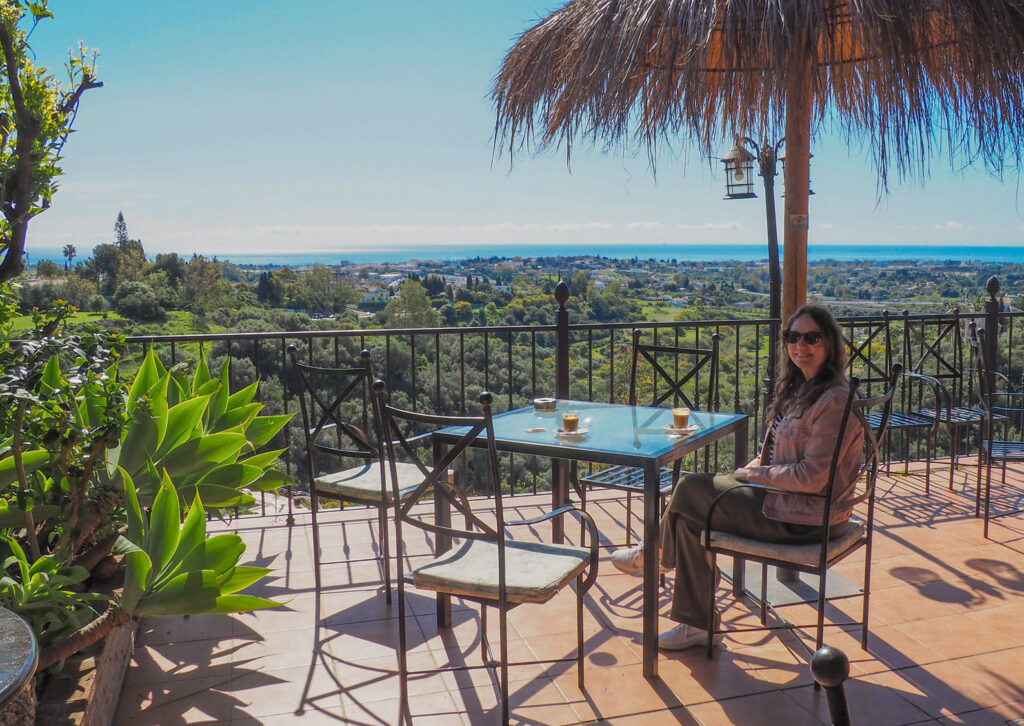
Managing Taxes and Cross‑Border Obligations
Before you move, take time to understand both your home country’s and your host country’s tax rules. Many nations have tax treaties to prevent double taxation, but they often require strict compliance.
So, knowing your legal tax residence is essential. Some countries require citizens to file annual tax returns no matter where they live or how much they earn. Keep detailed records of income, tax paid and any foreign accounts.
Hiring a tax expert can save you money and stress. It may feel like an unnecessary expense, but the guidance you receive can prevent costly mistakes later on.

Preparing for Unforeseen Financial Emergencies
An emergency fund is vital when living abroad. Life can change quickly – a health issue, a sudden trip home or a visa complication can require immediate access to cash.
Keep your emergency savings in an easily accessible account, ideally covering 3–6 months of essential living costs. You can split this between your main account and a foreign currency account if needed.
International health insurance is non‑negotiable. Medical bills abroad can be shockingly high and navigating healthcare in another language is stressful enough without worrying about costs.
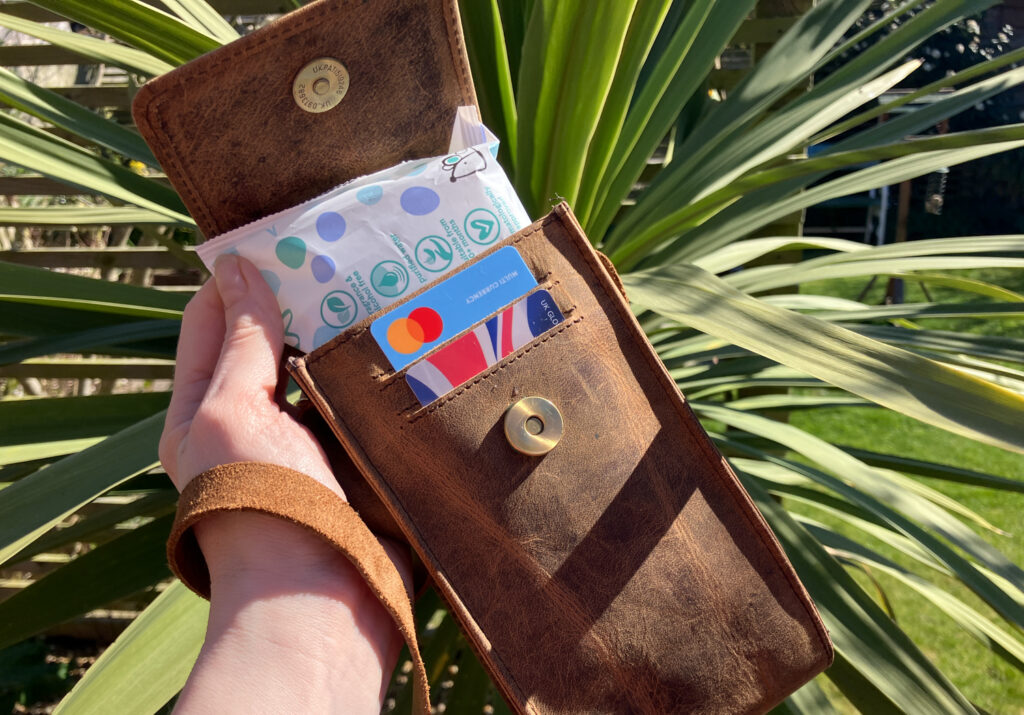
Look for a policy that includes emergency evacuation, routine care and coverage for travel disruptions. Plus, make sure you have a UK Global Health Insurance Card to cover medical care abroad – the eligibility differs if you’re a student etc so be sure to check all the details.
Protecting Yourself from Fraud and Currency Risk
Living abroad brings new risks, including scams, identity theft and cybercrime. Use secure internet connections, avoid public Wi‑Fi for banking and enable instant transaction alerts so you can spot suspicious activity straight away.
Currency fluctuations can also affect your savings. Spreading your money across different currencies can help protect you from sudden changes in exchange rates.
Managing money overseas takes awareness and adaptability, but it also brings plenty of small victories. Celebrate finding a local market with affordable produce or opening a bank account that doesn’t charge for international transactions.
When your finances are under control, you’ll have more time and energy to explore, make friends and enjoy the adventure you moved abroad for in the first place – keeping your finances steady makes the whole journey smoother.
If you’ve got your own tips or stories from your time living, working or studying abroad, I’d love to hear them in the comments below.
Pin it for later
This article is a sponsored collaboration. The pink links in the content indicate a sponsored link or information source. The blog post reflects my own experience and the sponsor hasn’t had any control over my content 🙂