




Shifts in daylight, temperature, and weather patterns can interfere with those health habits that once felt automatic.
Perhaps your outdoor running route is impassable when it gets wet and muddy, or you don’t want to cycle to work in hotter temperatures?
Maybe it’s simply the case that the darker mornings and colder evenings make you want to skip your regular workouts altogether, in favour of longer in bed or staying cosy on the sofa? Or hot weather makes it feel impossible to want to get even hotter!
Even the time off we enjoy over Christmas and our summer holiday can affect our workout schedule, with busy days and fun events interrupting our usual routine.
So, if you’re looking for some tips to help you stay motivated and train despite the weather conditions and darker days, here are some things you can try…

Adjust clothing as conditions change
Discomfort undermines motivation faster than many other factors. Clothing that works well in one season can become a problem in another. You can stay consistent by rotating your kit as conditions change instead of forcing the same items year-round.
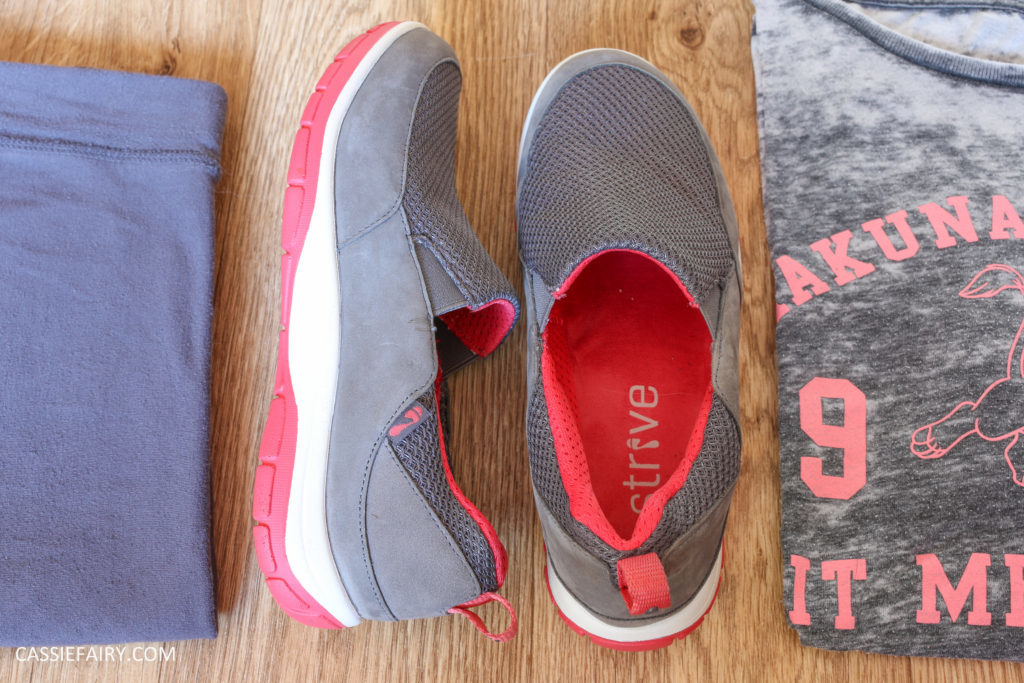
In warmer months, breathable fabrics help you stay focused on the session rather than the heat. In colder weather, layering allows you to warm up properly without overheating later. When you refresh gear, make deliberate choices. You might, for example, compare running shorts designed for different temperatures instead of relying on a single option for every season.
Accept seasonal change as normal
You do not need to train the same way in every season. Cold mornings, dark evenings, and summer heat all place different demands on your body and your schedule. When you treat adjustment as part of consistency rather than a failure of discipline, you remove pressure. Motivation improves when you stop expecting conditions to stay constant.
Work with daylight, not against it
Light affects when you feel able to train. Short winter days often reduce energy in the early morning and evening. You can respond by shifting workouts closer to daylight hours where possible, even if sessions become shorter. A brief workout you complete consistently matters more than a longer one you keep delaying.
If you train in low light, choose familiar routes or environments so you do not add unnecessary hesitation before starting. Also, remember to wear hi-viz clothing in the darker seasons, especially if you’re going to be running, walking or cycling near traffic.
Reset expectations around performance
Seasonal conditions affect how training feels. Heat can slow your pace. Cold can increase stiffness early in a session. These changes reflect the environment rather than your commitment.
You can protect motivation by tracking effort and consistency instead of focusing only on speed or distance. When progress measures match conditions, training feels more sustainable.
Anchor training to routine
Routine becomes more critical as seasons change. You can reduce daily decision-making by fixing training to specific days or times. When a session has a clear place in your week, weather becomes a factor to work around rather than a reason to skip. You’ll find that your consistency improves when you stop making repeated choices about whether or not to train.
Use indoor options strategically
Indoor training helps preserve momentum during extreme conditions. You do not need to abandon outdoor workouts entirely. Instead, use indoor sessions as a temporary substitute when the weather makes training outside impractical.
A short home workout or gym session keeps the habit intact and stops your body from losing condition. There are countless online sessions you can access, such as zumba and yoga on YouTube or the free Couch to Fitness training programme. Returning outdoors later then feels like a continuation rather than a restart.

Maintain simple accountability
Seasonal shifts often affect social patterns. Summer can disrupt routines through travel and long evenings, and winter days can feel short and isolating. You can stay motivated by maintaining accountability with others.
That might mean planning a weekly walk or sharing training intentions. Keep your expectations modest – the goal is continuity, not comparison.
Review goals with each season
Goals that suit one season may not suit the next. Long summer sessions may feel unrealistic during darker months. You can maintain motivation by shifting toward process-based goals, such as training a certain number of times per week. These goals adapt more easily to changing conditions and help you stay engaged.

Protect recovery and energy
Seasonal fatigue can affect motivation, particularly when daylight drops. You can stay consistent by treating rest the way it should be – as an essential part of training rather than a setback. Planned recovery prevents the gradual burnout that often appears as lost motivation. Listening to early signs of fatigue keeps training sustainable over the year.
Keep perspective over the long term
Motivation naturally fluctuates. You do not need to feel driven every session; you only need to maintain enough consistency to keep the habit alive. By adjusting expectations, routines, and equipment as seasons change, you reduce reliance on willpower alone.
Maintaining workout motivation through changing seasons comes down to flexibility. When you adapt to current conditions instead of resisting them, training remains part of your routine rather than something you repeatedly restart. Let me know in the comments below what advice you have for keeping your workout motivation each season, I’d love to hear your tips.
Pin it for later
This blog post is a collaboration. The pink links in this post may indicate a collaborative link or information source.