




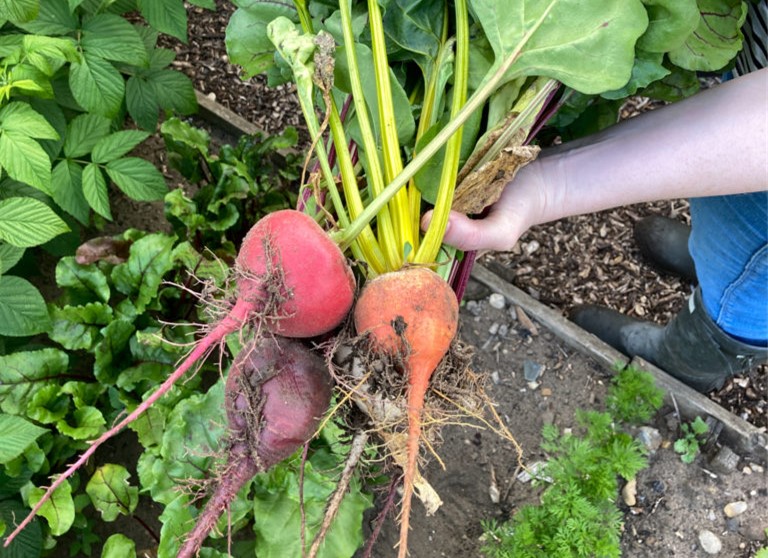
Many of us have experienced a meal that simply sings with flavour. That dish conjures up feelings of comfort, excitement, and a sense of satisfaction long after the last bite. As home chefs, we yearn to replicate those dishes in our kitchen.
The secret to doing so isn’t solely about mastering the cooking techniques or having the best equipment. Instead, it largely hinges on the freshness of the ingredients we use. Freshness is the key to unlocking the full potential of our culinary endeavours.
Here’s how putting freshness first can make any meal taste better:
The Power of Fresh Ingredients
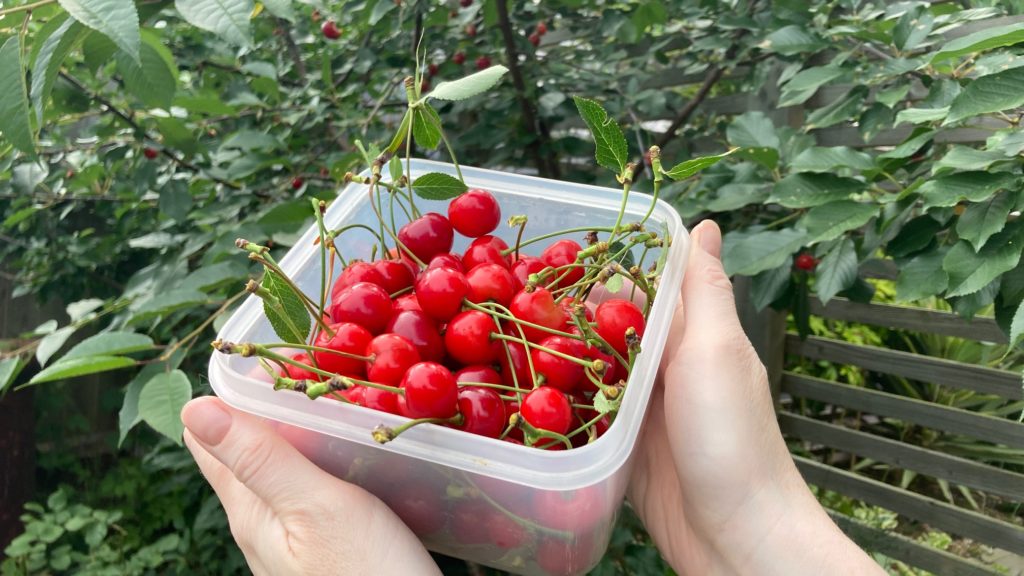
Fresh, high-quality ingredients have always been at the heart of amazing meals, long before famous chefs championed their use. The journey to an outstanding dish often begins with a trip to the grocery store or farmer’s market, selecting produce that’s ripe, vibrant, and full of flavour.
For example, a Taylor Farms salad kit provides a great example of how fresh, pre-prepped ingredients can make healthy cooking easier. Using these kinds of fresh greens and vegetables in your meals can instantly elevate taste, texture, and overall enjoyment, making even simple dishes feel special and satisfying.

From Farm to Fork
The concept of ‘Farm-to-Fork’ illustrates this emphasis on fresh produce being directly sourced from the farm, making it to our dinner plates with minimal touchpoints. This not only assures peak freshness but also the high nutrient content of the ingredients since nutrients decrease over time after harvesting.
Even our intuition leads us to fresh ingredients; we always seek the juiciest tomatoes, the deepest green spinach, the crumbly fresh cheese – our palate simply craves that freshness. Fresh herbs and spices, too, offer a remarkable difference in flavour compared to their dried counterparts.
Freshness and Sustainability
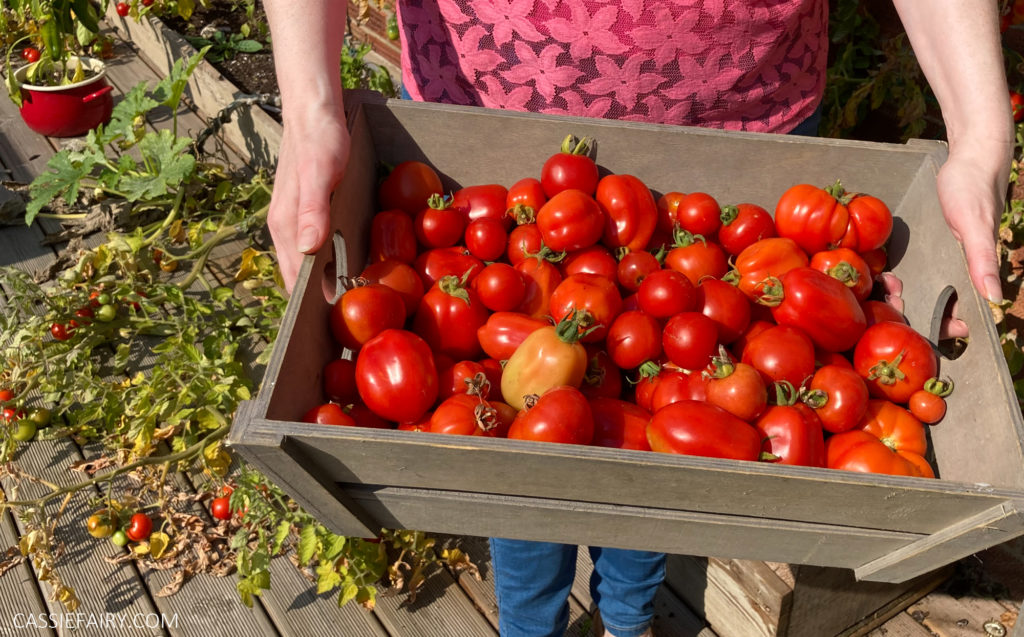
The notion of ‘Freshness First’ dovetails into the greater discussion on sustainable food practices. Buying fresh, seasonal, and local produce supports sustainable agriculture while simultaneously bolstering local businesses.
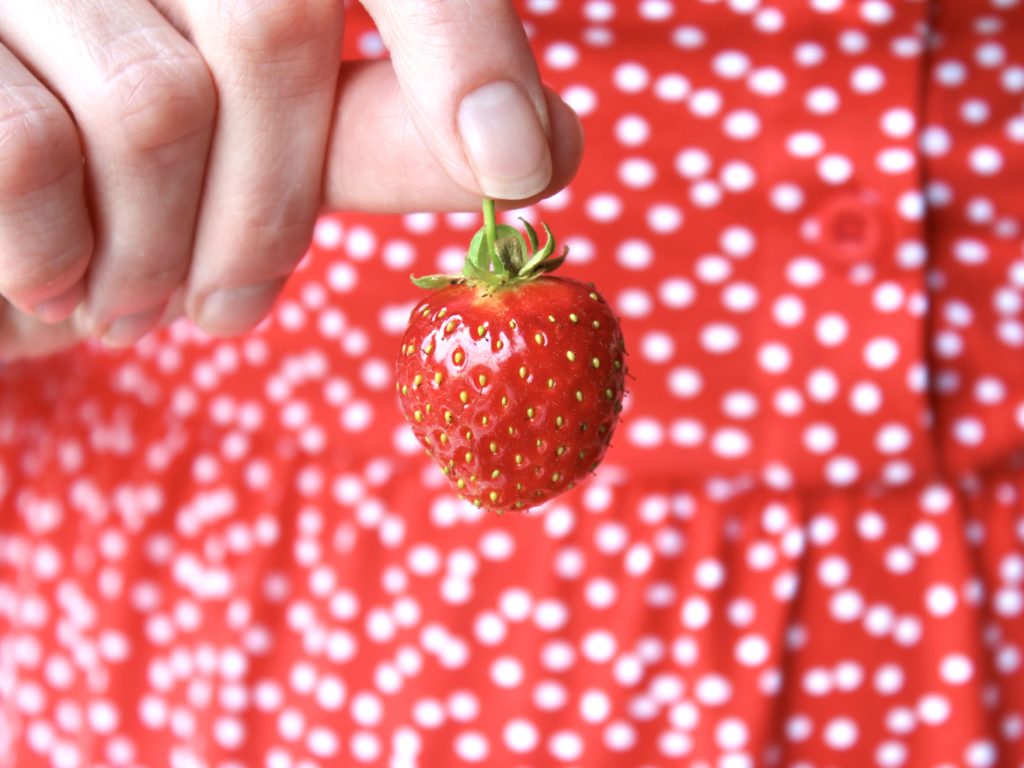
This practice also significantly reduces the carbon footprint associated with transporting food long distances. If you’re eating strawberries from the supermarket in the winter, you can be sure they’ve travelled far to reach your breakfast bowl.
Freshness in Cooking Techniques
Even when cooking techniques come into play, the fresher the ingredient, the less manipulation is required. Chefs often highlight the natural flavours of fresh ingredients, using simple methods like grilling, roasting, or lightly sautéing.
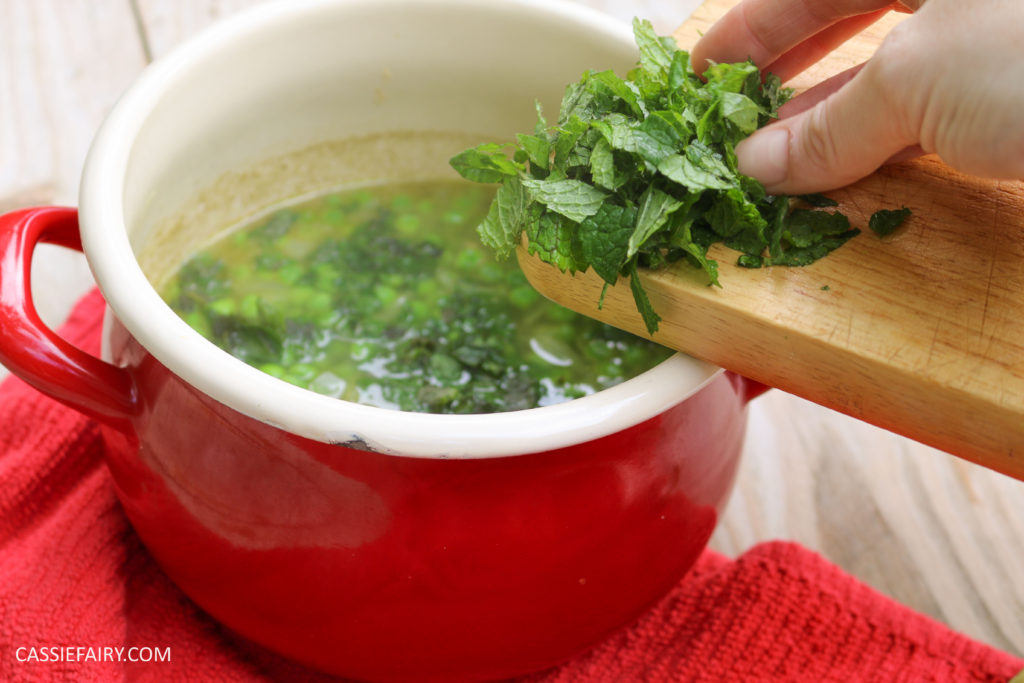
Fresh, quality ingredients don’t need to be masked by heavy sauces or aggressive seasoning – they confidently stand on their own. I always grow a few pots of herbs on my kitchen windowsill, such as fresh basil and mint, so they’re ready to pick and chop at a moment’s notice.
Understanding Freshness in Ingredients
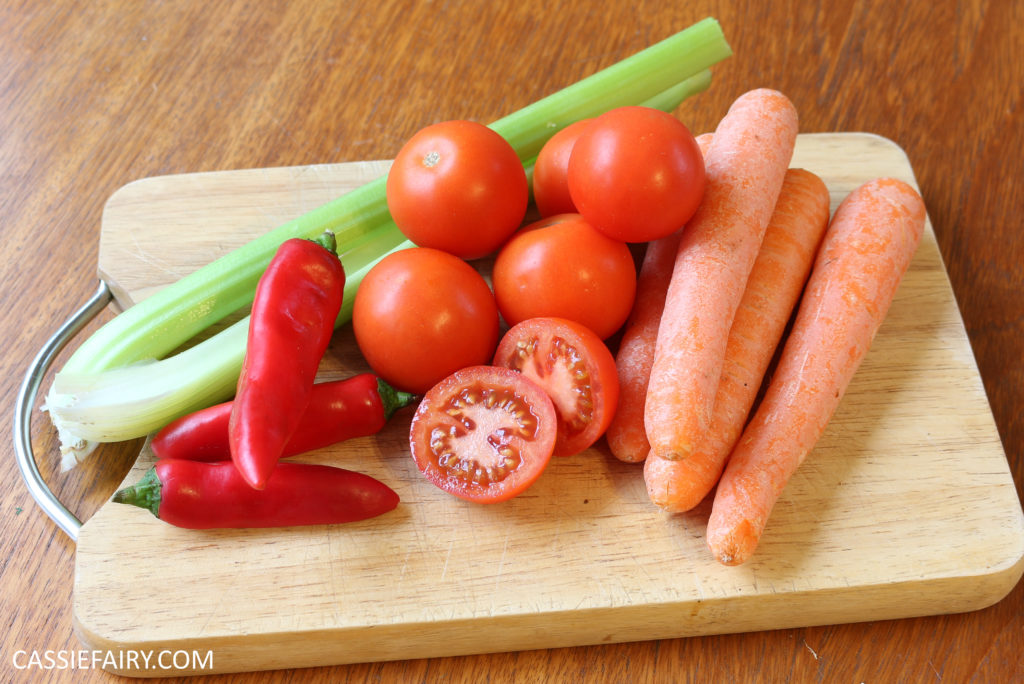
Acknowledging the importance of freshness is one thing, but understanding the differences is another critical element. Extra-virgin olive oil, for example, loses its fruity subtleties over time and with exposure to light and heat so it’s a case of ‘use it or lose it’.
Freshly ground spices and coffee beans retain their aromatic compounds much longer than pre-ground versions, so consider using a grinder or a pestle and mortar to crush your own fresh spices and beans. Even pasta, which is often bought dry, can be a revelation when freshly made, introducing a texture and taste that a dried version can’t deliver.
Experimenting with Freshness
Embracing ‘Freshness First’ doesn’t mean abandoning pantry staples or frozen goods, but rather encouraging creativity and experimentation with fresh ingredients. In fact, frozen vegetables are often the freshest option because they’re frozen immediately after picking, so they don’t lose their nutrients during transportation or in the supermarket.
Plus, you could try growing your own veggies, fruit and herbs in your garden or have a go at making fresh pasta at home. Experience the difference between fresh and canned tomatoes in a sauce. Compare a freshly squeezed lemon to a bottle of lemon juice. The difference can be astounding, taking your cooking experience to an entirely new dimension.
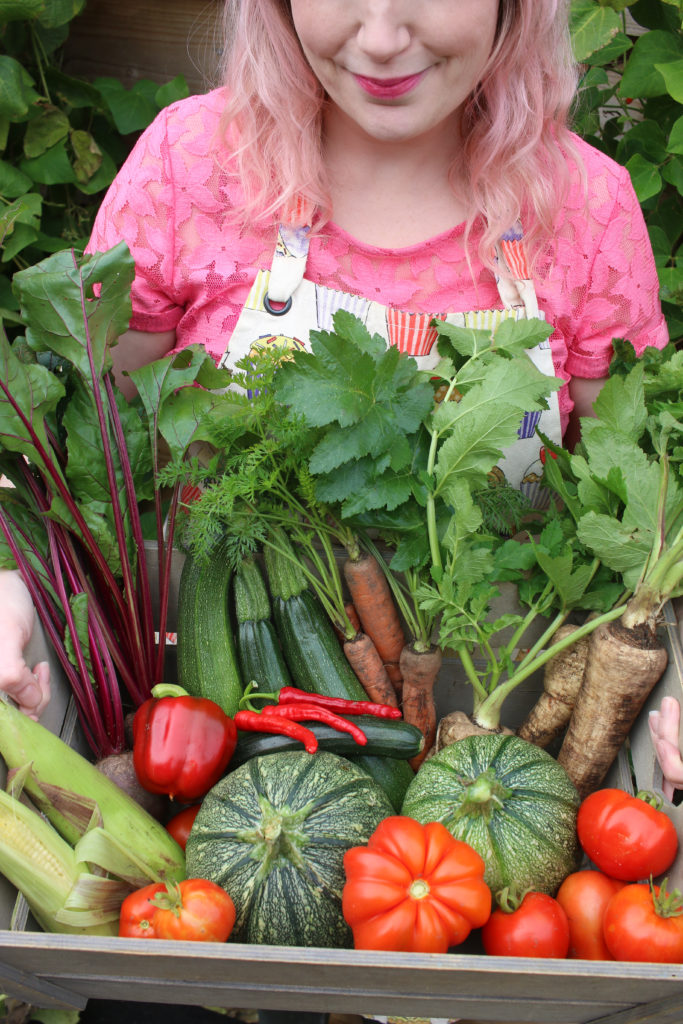
Serving a dish made from the freshest produce is like sharing a little extra love with those we care about; it makes our meals linger in memories and our grandmothers’ recipes become family legends!
It’s time to put ‘Freshness First’, making every meal you prepare taste even better and nurturing our bodies – freshness is not just a theme, but a philosophy to be celebrated.
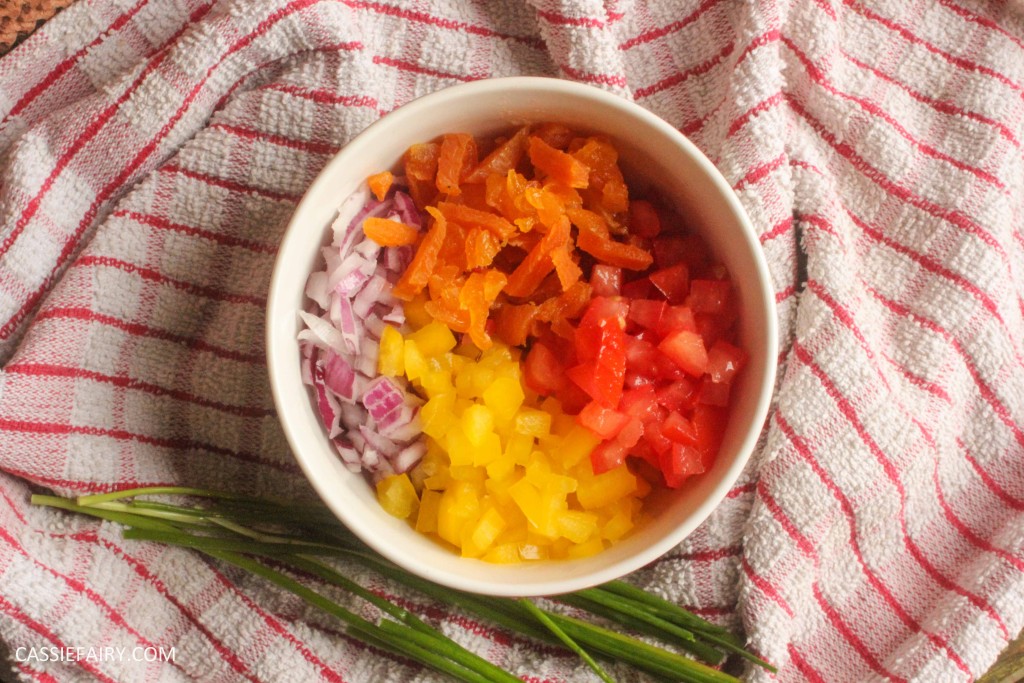
Let me know in the comments below what your favourite food is to enjoy fresh rather than processed. Plus, I’d love to learn if you’re growing your own vegetables or herbs in your garden, so please share your favourite tasty treats to grow at home.
Pin it for later
This blog post is a collaborative post. The blog post reflects my own experience and the sponsor hasn’t had any control over my content 🙂


















2 responses
I completely agree, there’s nothing better! 🙂
Freshness really is the magic touch. Even the simplest dish comes alive when made with fresh ingredients. Nothing compares!