




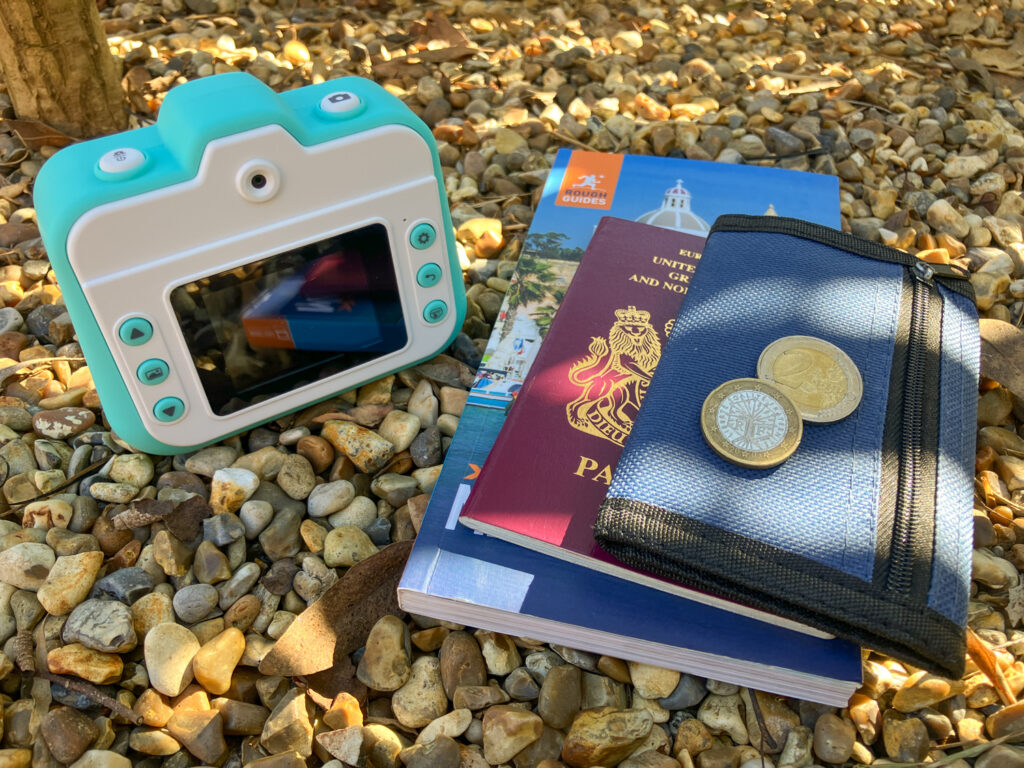
If you’ve ever stood at a cash machine abroad, squinting at the screen while it warns you about “additional charges,” you’ll know that managing your money while on holiday can feel like navigating a financial obstacle course.
Whether you’re backpacking solo, enjoying a romantic getaway as a couple, or wrangling little ones through airport queues on your family break, keeping your travel budget under control doesn’t stop once you’ve booked the holiday. In fact, the real savings often happen after you land.
Over the years – and after a few too many surprise currency conversion fees myself – I’ve learned that understanding how your money moves abroad is one of the easiest ways to keep your trip affordable and stress‑free. Here’s everything you need to know to avoid unexpected charges and make every pound stretch a little further for your thrifty holiday:

Bank Fees: The Sneaky Charges
Let’s start with the big one: bank fees. They’re the silent stealers of your travel budget, taking a cut every time you withdraw cash or pay by card on holiday. Many UK banks charge foreign transaction fees, currency conversion fees, or ATM withdrawal charges when you use your card abroad. These can stack up quickly, especially if you’re travelling for more than a few days.
Plus, I’ve even been charged exchange fees when I’ve booked my accommodation from home – if you’re paying a European hotel directly and are booking in Euros, your bank or credit card will add on a transaction fee. Booking.com is quite good for letting you know these costs upfront and you can choose whether to pay in pounds or Euros, so you could save some money there.
Before you jet off, check your bank’s usual policy on overseas spending. Keep an eye out for accounts that offer fee‑free international payments and prioritise using those – many digital banks offer cards designed for travel. Other accounts will charge a percentage of every transaction, so if you’re travelling as a family, these fees multiply fast – every ice cream, museum ticket and bottle of water adds up.

Travel Money Cards: A Frugal Traveller’s Essential
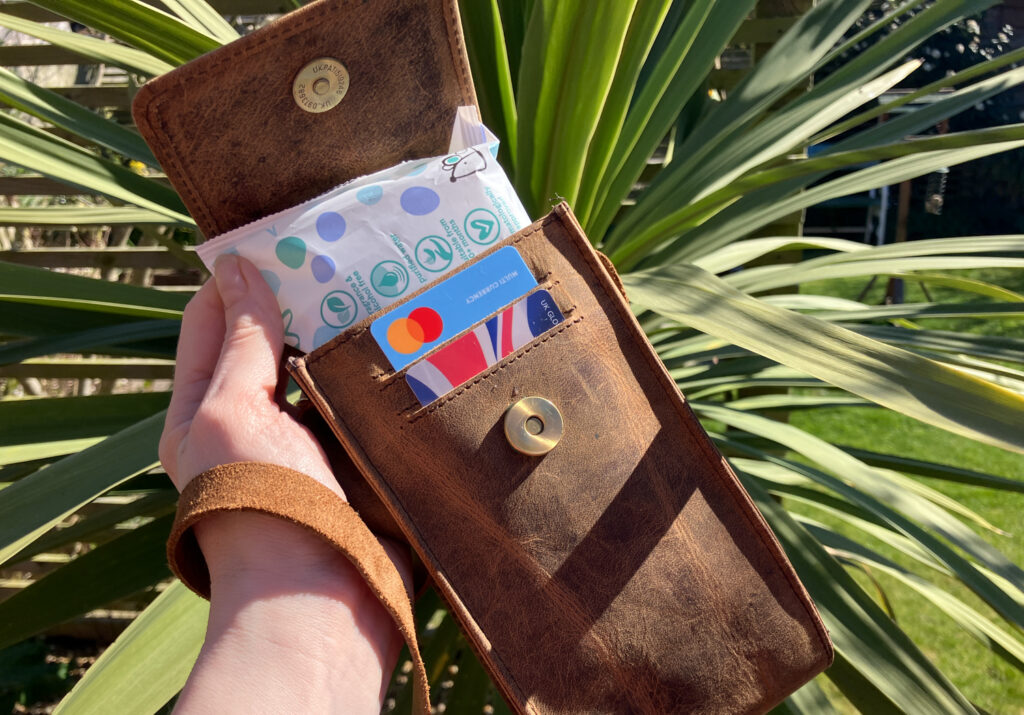
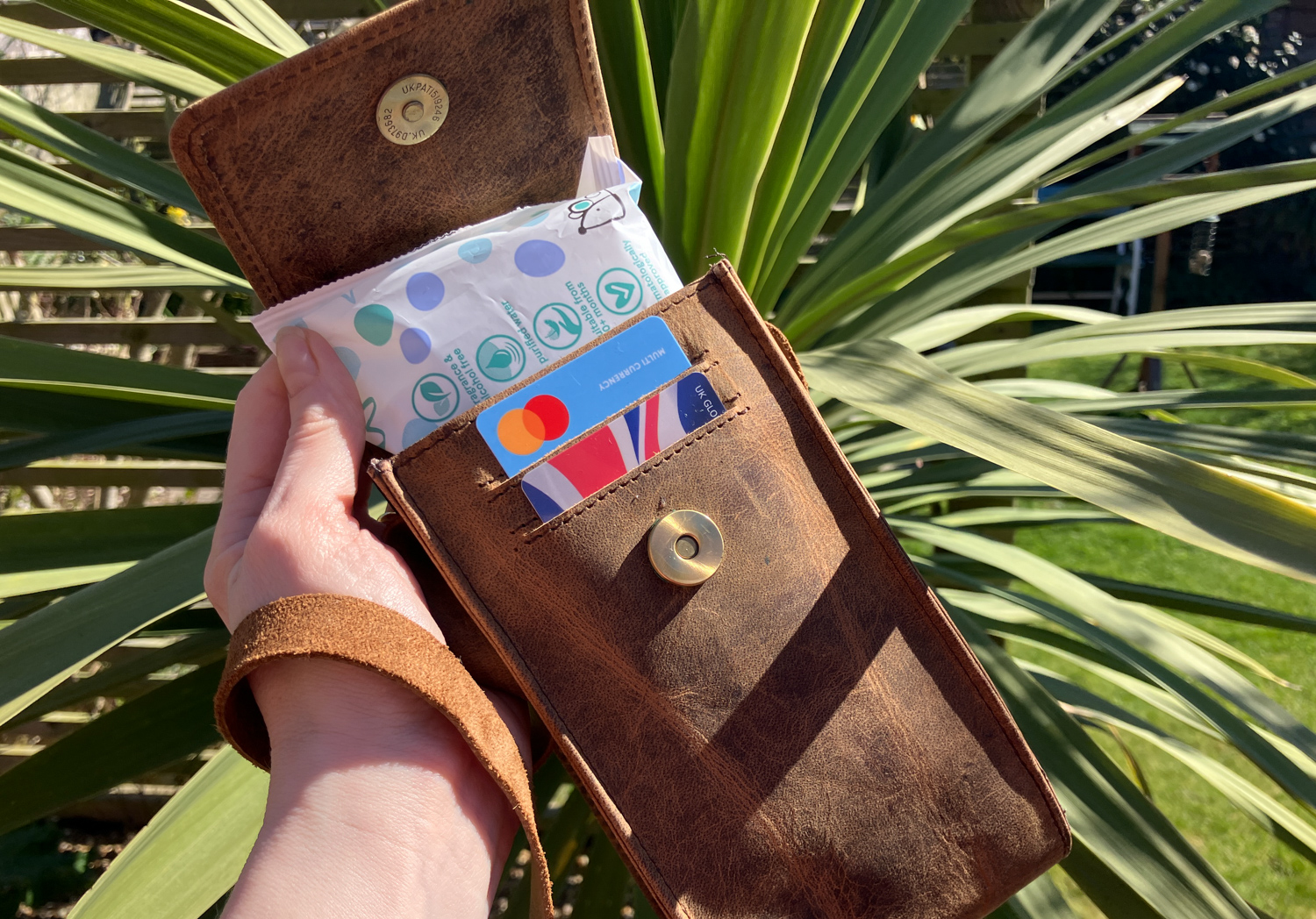
If you prefer something separate from your main bank account, travel money cards are a brilliant option and I use one myself whenever I go on holiday. The Post Office Travel Card, for example, lets you load it with money in any currency in advance, lock in exchange rates and spend abroad without worrying about transaction fees.
It’s especially handy for couples sharing expenses or families wanting to keep holiday spending in one place, as travel cards help you stick to a budget. Once the money is loaded onto the card, that’s your spending pot – no dipping into savings or accidentally overspending. That said, you CAN top it up while you’re away if you run low on Euros by the end of your trip.
And if you’re travelling solo, it’s reassuring to know that if your card is lost or stolen, your main bank account remains untouched. Just remember to check for top‑up fees, inactivity fees or ATM charges. Every provider is different, so a quick comparison before you travel can prevent unwelcome surprises when you get home.
Exchange Rates: The Hidden Factor
Exchange rates can make a difference to your travel budget. Paying in the local currency is usually cheaper than letting a shop or ATM “convert” the payment for you because their rates are often inflated. When the machine asks whether you want to be charged in pounds or the local currency, choose the local currency every time.
It’s also worth keeping an eye on rates before your trip, especially if you want to take some cash with you. And, if you’re using a travel card, you can load it with your money when the rate is favourable, which will give you more cash to spend when you reach your destination.

International Transfers: When You Need to Send Money Abroad
Sometimes travel isn’t just about the small bits of cash you’re spending on your trip – it’s about paying for accommodation in advance or sending money home or receiving money while you’re away. This is where choosing the right international transfer provider becomes important.
Transfer providers offer different levels of convenience, speed and cost. For example, if you compare Remitly vs Western Union, this shows how varied services can be. Remitly focuses on digital transfers through its app, while Western Union offers both digital options and a network of physical locations worldwide. Depending on where you’re travelling, that flexibility can be invaluable.
Transfer fees aren’t just about moving money; they often include things like customer support, fraud protection and faster delivery options. So while it’s tempting to just choose the cheapest provider to cut costs, it’s worth considering the value behind the provider’s fees, especially if you’re relying on transfers during your trip.
When you’re abroad, things don’t always go to plan. If your card stops working or is lost, you’ll urgently need extra money for the rest of your trip – or maybe there will be a situation back home that needs you to send money home quickly. Some transfers arrive instantly, while others may take days, so if you’re paying for something that’s time‑sensitive, choosing a provider with fast delivery is worth the extra cost. Providers with reliable customer support can make stressful occasions like these much easier.

Spending money abroad doesn’t have to be complicated or expensive. With a little preparation – checking bank charges, choosing the right travel card, understanding exchange rates and picking a reliable transfer provider – you can enjoy your trip without worrying about surprise fees eating away at your budget.
Whether you’re exploring solo, adventuring as a couple or travelling with your young family, smart money choices help you focus on what really matters: making memories. I hope this guide helps you feel confident and empowered when spending abroad. I’d love to hear your own travel‑money tips, so please share your stories in the comments below. And if you fancy diving deeper into frugal travel, budgeting abroad or money‑saving hacks, there’s plenty more waiting for you on my blog. Happy adventuring!
Pin it for later
This article is a sponsored collaboration. The pink links in the content indicate a sponsored link or information source. The blog post reflects my own experience and the sponsor hasn’t had any control over my content 🙂















2 responses
Aw thank you Joannie 😀
Your writing has a way of resonating with me on a deep level. I appreciate the honesty and authenticity you bring to every post. Thank you for sharing your journey with us.