



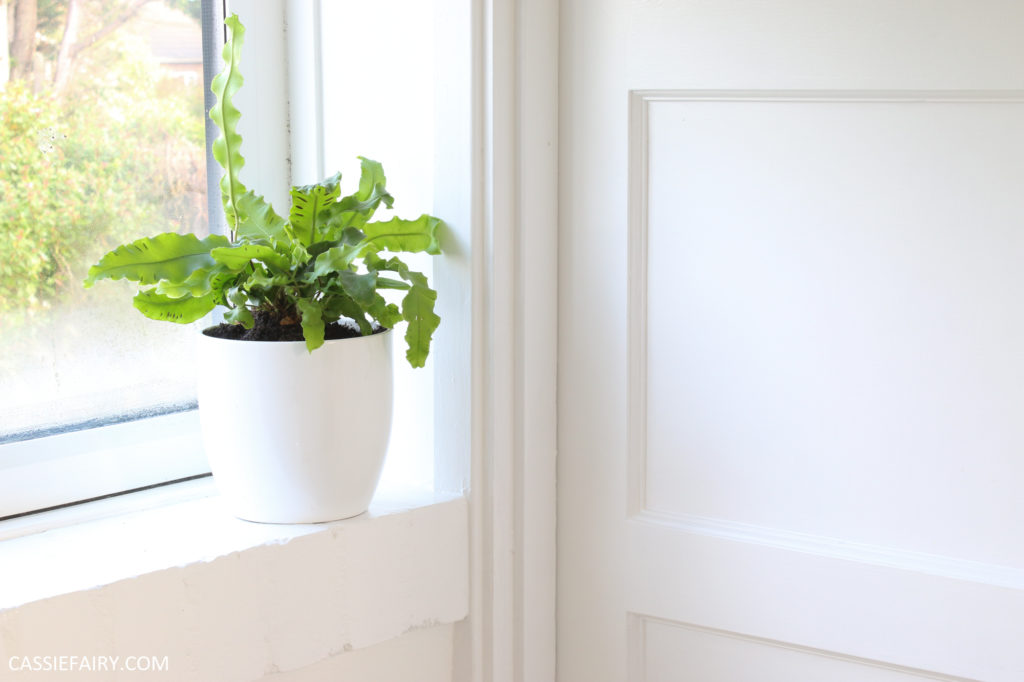
One celebrates abundance, collections, and character, while the other thrives on simplicity, clean lines, and breathing space. It may be that you have a preference for one style, or perhaps you’d like a combination of both. Here are some ways to incoroprate each style into your own home:
What is Minimalism?
At its core, minimalism is all about “less is more”. It embraces pared-back spaces with neutral colour palettes, sleek furniture, and carefully chosen décor. The focus is on functionality, clarity, and calm. Minimalist interiors often use open layouts and lots of natural light to enhance the sense of space. The appeal lies in creating a soothing retreat away from the noise of the world and, ideally, away from the chaos of everyday clutter.
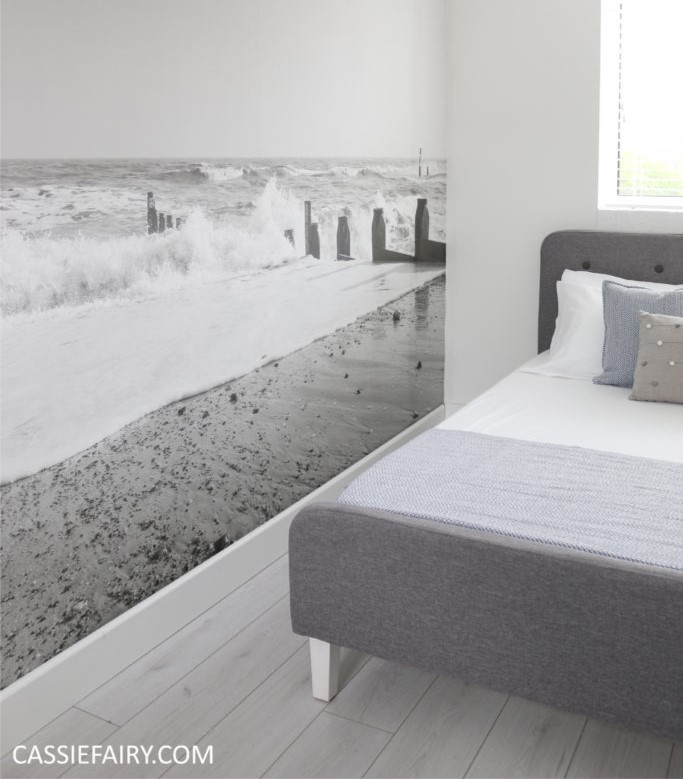
Why is Minimalism Popular in Family Homes?
Minimalism feels like a natural choice for households with plenty of comings and goings. With fewer objects lying around, cleaning becomes quicker, and children and pets have more room to play.
- Ease of maintenance: With fewer items, dusting and tidying are quicker.
- Durability first: Furniture and flooring are often chosen for their quality, so they withstand daily wear. Think engineered wood or hard-wearing laminate.
- Stress reduction: Clear surfaces and uncluttered floors create an atmosphere that feels calm even on a hectic day.
- But there are downsides too. Minimalism demands discipline. Toys, school projects, shoes, and paperwork can easily break the illusion of clean simplicity, leaving the space feeling unfinished rather than curated.
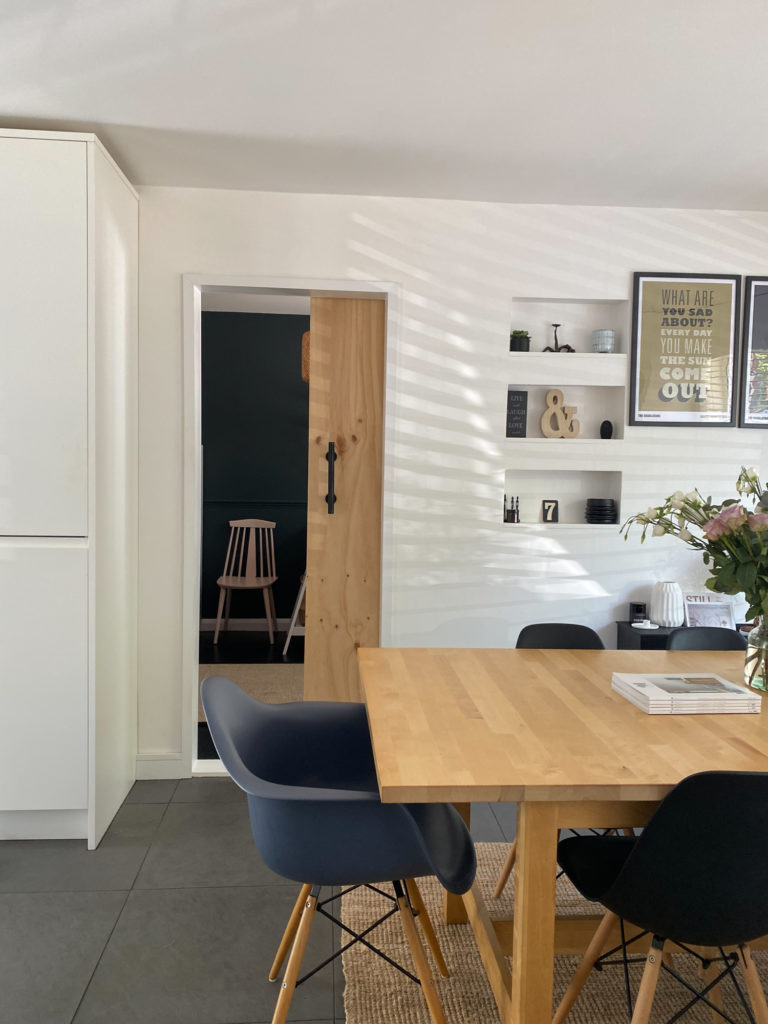
The peaceful home of @life_of_isatu
What is Cluttercore?
On the opposite end of the spectrum, cluttercore is a maximalist style that embraces abundance. Think gallery walls, eclectic knick-knacks, books stacked high, and sentimental objects proudly on display. It rejects the idea of bare surfaces and instead celebrates the beauty of “organised chaos”.
Cluttercore homes often feature cosy textures, colourful palettes, layered rugs, and patterned cushions. Flooring also plays a grounding role here with rich, wood-effect LVT anchoring the visual busyness and preventing the space from feeling overwhelming.
At its heart, cluttercore is about personality. Every object tells a story, from the abstract painting on canvas that hangs in the hallway to the hand-knitted blanket on the sofa. Every corner feels lived-in, and the home becomes a reflection of the people living there.
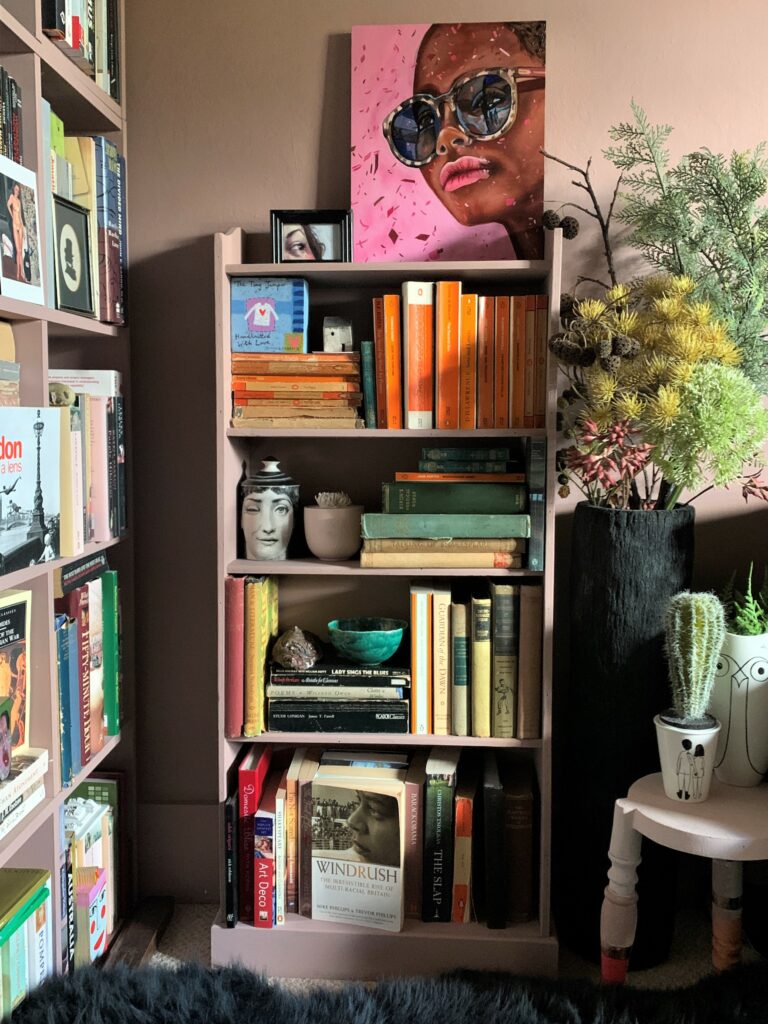
The art-filled home of OneOffto25
Why is Cluttercore Appealing to Families?
For busy households, cluttercore can feel liberating. Instead of constantly fighting the mess, this style embraces it, or at least the curated version of it.
- Personal connection: Children’s artwork, souvenirs, and family photos fit perfectly into the aesthetic.
- Cosiness: Layered fabrics, full bookshelves, and warm tones create a snug, homely atmosphere.
- Flexibility: Life’s little imperfections, from scattered toys to overflowing shoe racks, don’t feel as disruptive in a cluttercore space.
- Of course, there are challenges to this design. Too much clutter can quickly slide into a genuine mess, making it harder to clean or find essentials. A balance between curated abundance and practical organisation is key.
Minimalism vs Cluttercore
The truth is, both styles have their strengths and their weaknesses, especially in a lively household. Minimalism may reduce stress through order, but it can feel unrealistic for families who accumulate belongings. Cluttercore is forgiving and warm, but without some organisation, it risks feeling chaotic rather than characterful. The best approach might be somewhere in the middle.
Consider adopting a minimalist layout where you can keep open floor space for movement and play. From there, layer in cluttercore personality using shelving, display cabinets, and gallery walls to celebrate collections without overwhelming every surface.
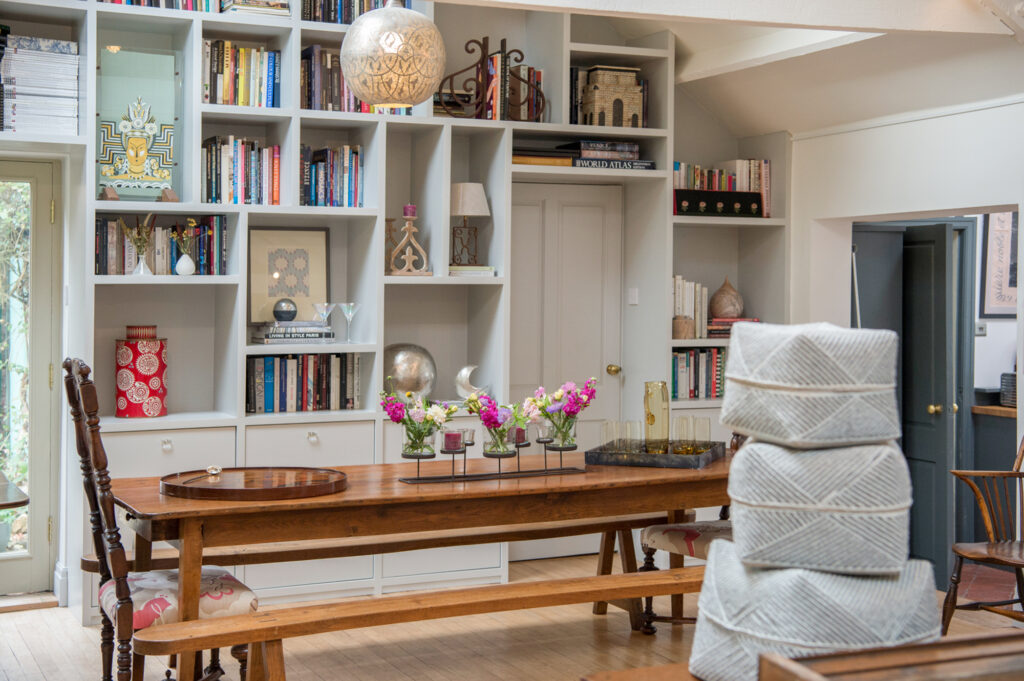
Natalia Willmot’s converted barn offers the best of both
How to Decide What Works for Your Family
When choosing between cluttercore and minimalism, think about your household habits. Some families lean towards a minimalist kitchen for practicality, but embrace cluttercore in the living room for cosiness and personality. Bedrooms can also take on different moods with a serene, minimalist master room versus a playful, cluttercore children’s room.
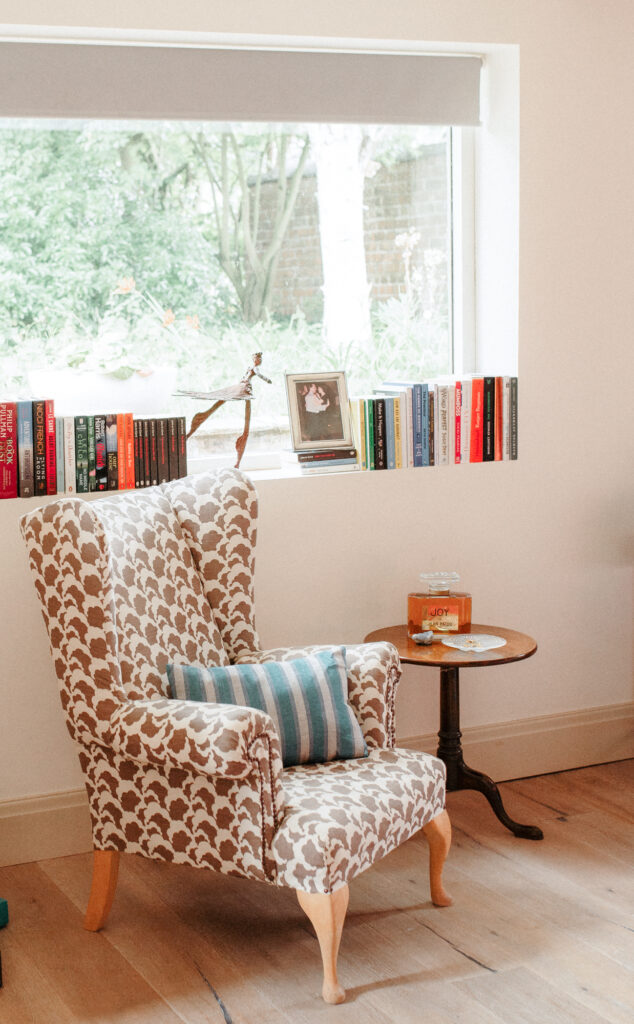
Is It Worth Committing to One Style?
For many homes, a rigid commitment to either style may feel too restrictive. Minimalism offers peace and efficiency, while cluttercore celebrates warmth and individuality. The most successful busy homes borrow from both styles.
Consider minimalist foundations, then add cluttercore layers through textiles, collections, and décor. That way, the space works practically while still feeling like a home filled with personality. At the end of the day, the “right” style is the one that makes daily life easier and more joyful. Whether that’s the calm clarity of minimalism, the vibrant cosiness of cluttercore, or a thoughtful mix of both, the best interiors are the ones that suit the rhythms of the people living in them.
Let me know in the comments below what style you prefer? I’d love to hear how your home reflects your own personal style so please share your idea for creating a home that suits you and your family.
Pin it for later
This blog post is an advertisement feature that has been written in collaboration with a sponsor. The pink links in this post indicate a sponsored link 🙂