



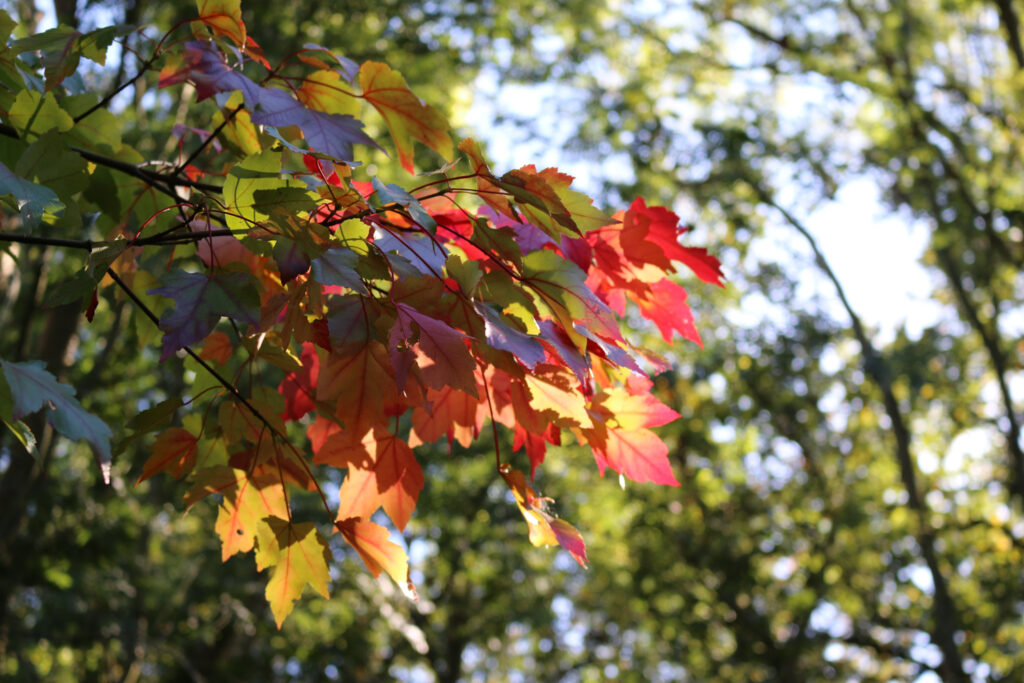
When the cooler weather and darker days come, it can be tempting to shut yourself away indoors throughout the autumn and winter. But getting outside into the fresh air is so good for your wellbeing – especially if it’s one of those lovely crisp-but-sunny days.
Just feeling the sunshine on your face can lift your mood, so I think it’s crucial to create an outdoor space that you’d be happy to spend time in this season.
However, it’s during the colder months that our gardens often become messy, uncared for and sometimes even a bit dangerous in places. So let’s look at a list of quick and easy tasks you can try in order to make sure your backyard is usable even in the winter.
Create a chill-out zone so you can chill outside
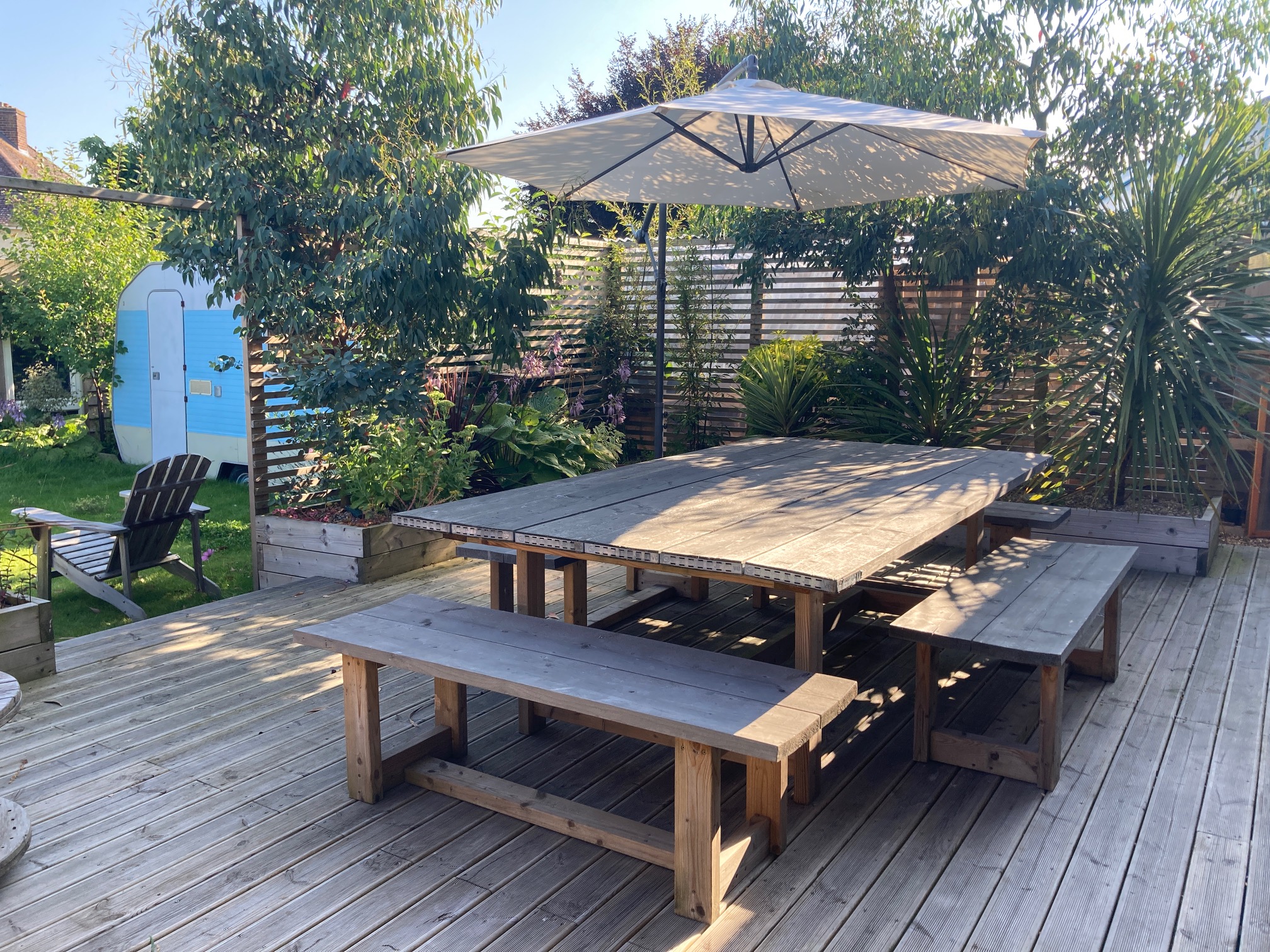
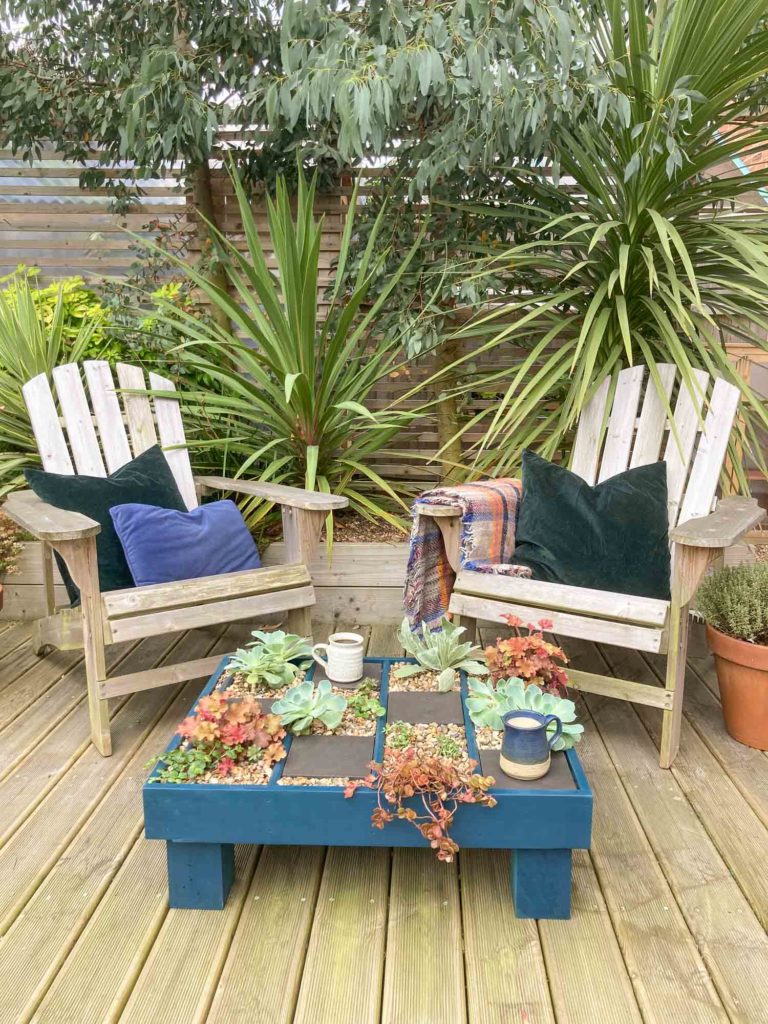
Firstly, let’s consider what you want to do in your garden. If you have a patio space or an area of decking that you use during the summer, it’s a great idea to autumn-proof it so that you can carry on using it.
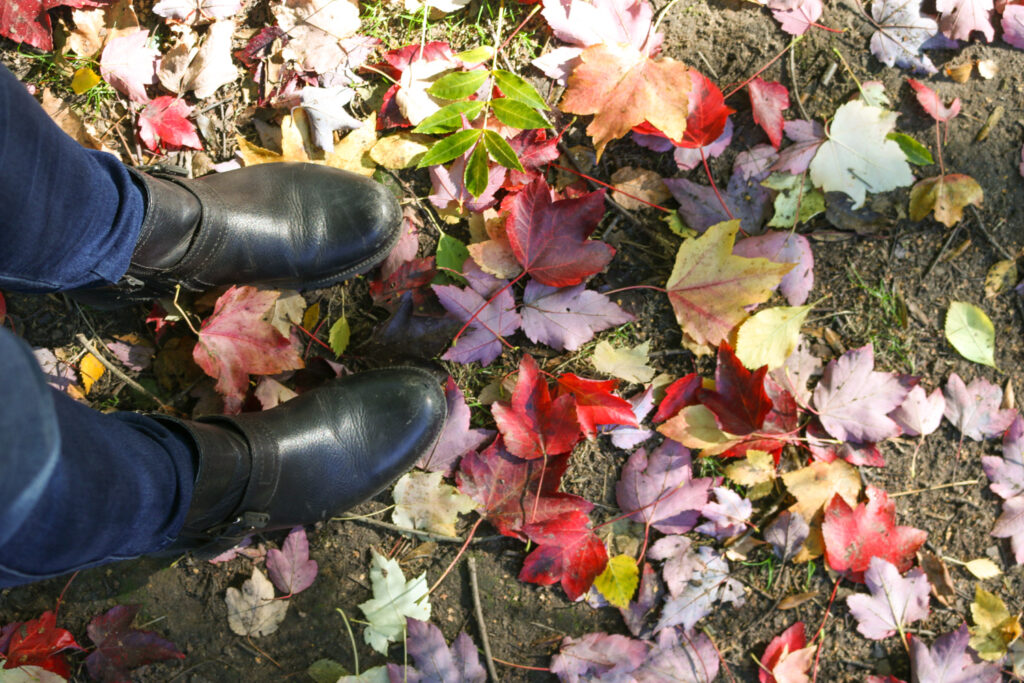
- When fallen autumn leaves are left on the surface, patios and decking can become slippery. The leaves quickly become mushy and, combined with wet weather, can be quite hazardous. So sweeping up is the first task to tackle.
- If you have potted annuals in your courtyard during the summer, these have probably died back by now. However, there’s no need to go without colour over the autumn: add some low-cost winter flowering pansy plugs or cyclamen to your existing planters.
- Darker evenings mean difficulty navigating around your garden after sunset, so now’s the time to add a few solar lanterns beside your path – it’s possible to find these for just a couple of pounds each.
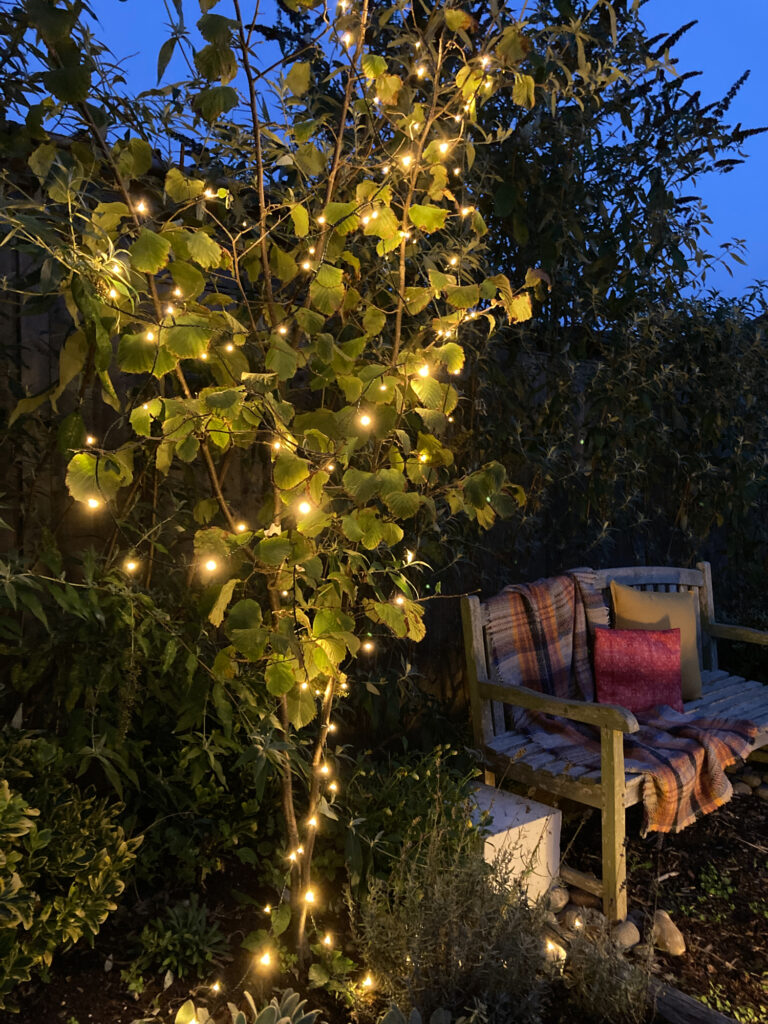
- Plus, you can add some solar-powered fairy lights in the leaves of your bushes or wrapped around the trunk of a tree to add a touch of sparkle that’ll work all autumn and for Christmas, too.
- Clean off your outdoor seating and add extra cushions and blankets to make it a lovely place to relax outdoors.
Harvest your crops
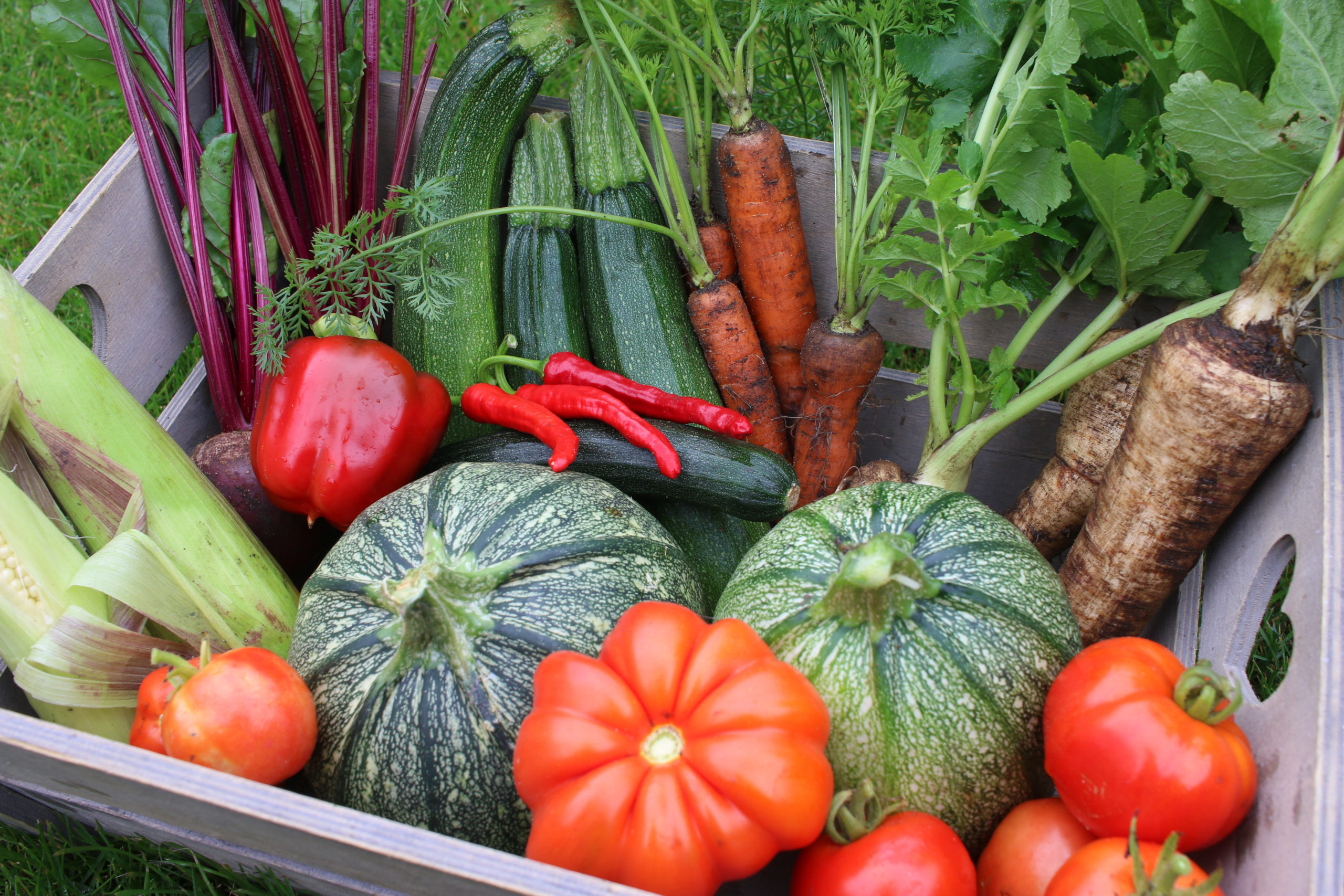
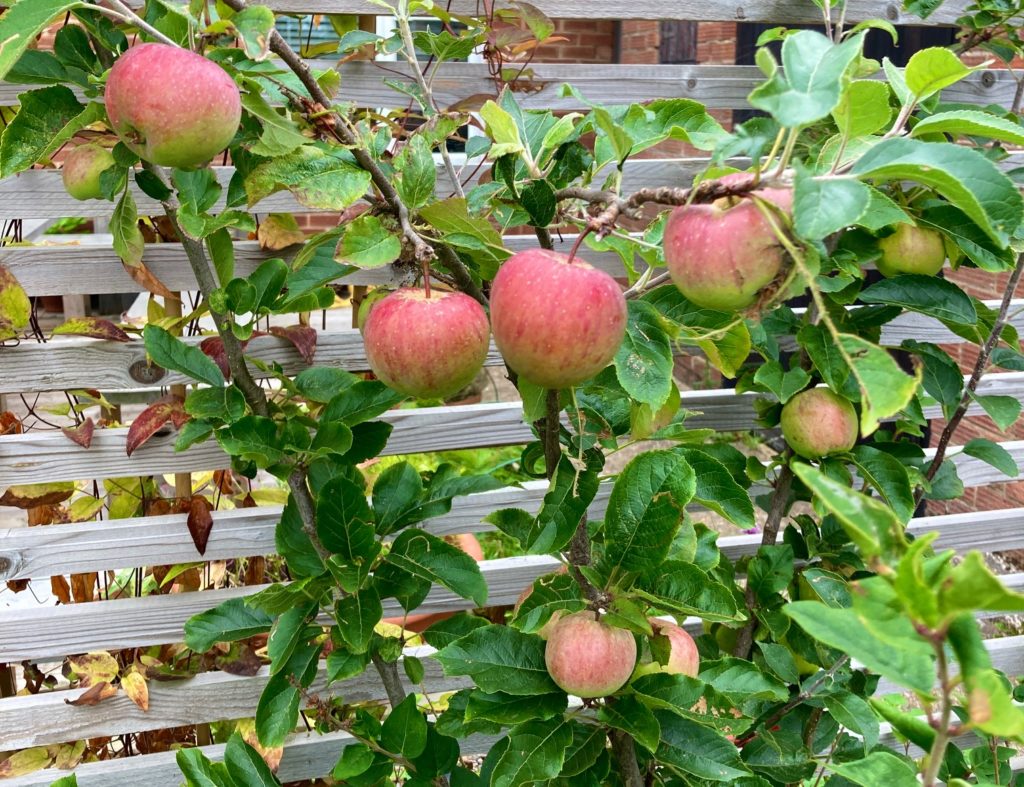
If you’ve got fruit trees or a veggie patch in your garden, now’s the time to harvest the last of those summer crops. If you don’t remove apples, plums or pears from trees, you’ll end up with rotting fruit on the ground, which attracts wasps and other pests and smells strongly.
Likewise, you won’t want to enjoy relaxing in your garden if there’s an overgrown veggie patch. You’ll never be able to relax if you’re thinking of all the tasks that need to be done, so it’s time to pull out those wilting tomato plants and greying courgettes. But what can you do with all the produce you’ve picked?
- How about cooking up a batch of chutney with your excess produce? I’ve made many chutney recipes over the years, including an autumn spiced tomato chutney and a plum chutney.
- You can make sundried tomatoes if you have a dehydrating machine to preserve your ripe tomatoes for the winter months.
- Likewise, I always pickle my beetroot for the winter – I’ve got jars and jars of it in the cupboard, ready to enjoy – and they taste great with this sweet pickling vinegar recipe.
- Fruit often doesn’t last for long once it’s picked, so turn those apples into a batch of crumbles for the freezer or an apple and cinnamon jam. Plus, if you’ve got access to currants or blackberries, they can become beautiful blackcurrant jams too – perhaps you could even give away jars as gifts at Christmas.
Cut back and tidy
The good thing about the autumn and winter is that nothing much grows any bigger, so if you trim back your shrubs and evergreens at this time of year, you’ll get to enjoy a tidy-looking garden throughout the season with not much extra effort going forward.
- You probably just need to do one more cut of the lawn and then the grass will likely stay short and looking tidy for the whole season.
- Once buddleias, rose bushes and climbers have stopped flowering, it’s time to take off the dead heads and tidy away fallen flowers.
- It’s likely that climbing plants will have grown longer shoots over the summer, so now’s the time to tie them into the trellis or frame to keep them safe if the windy weather comes. If your climber is the type that needs to be trimmed back, you can do that too – just research the plant’s preferences before you cut.
- When deciduous trees are dormant in the late autumn, that’s the best time to prune them to remove any dead or diseased branches – but always check for active bird nests before you start doing any cutting and leave the tree alone if it has a resident.
I hope this list of little tasks will help you to enjoy your garden during the autumn and beyond. There’s no need to tackle all the jobs at once – it’ll give you a good excuse to head outside into the fresh air if you’re doing the tidying up a little at a time. Let me know in the comments below what you do to make your garden feel lovely during the darker months – I’d love to hear what gardening tasks you always traditionally do in the autumn.
Pin it for later
This article is a sponsored collaboration. The pink links in the content indicate a sponsored link or information source. The blog post reflects my own experience and the sponsor hasn’t had any control over my content 🙂