



With the school holidays rolling in, I’ve been thinking a lot about the toys that actually keep kids entertained for more than five minutes. And honestly? LEGO® still comes out on top every time.
It’s one of those rare things that has grown with each generation – evolving from simple building blocks into a whole universe of creativity, engineering, storytelling and STEM learning. And in our house, it’s become a bit of a holiday tradition.
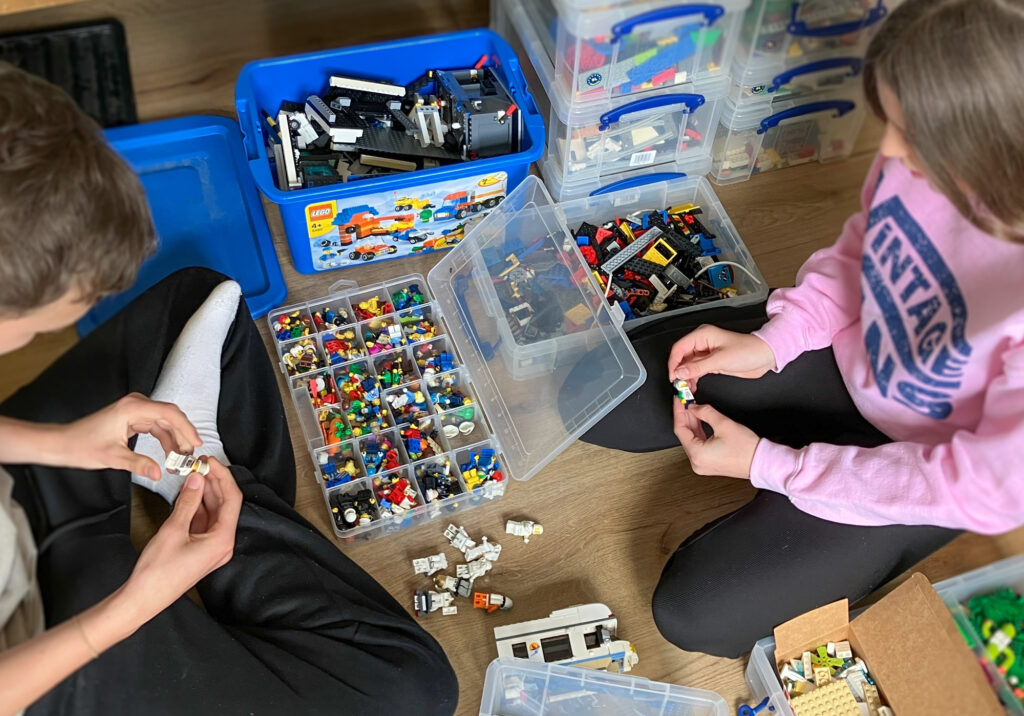
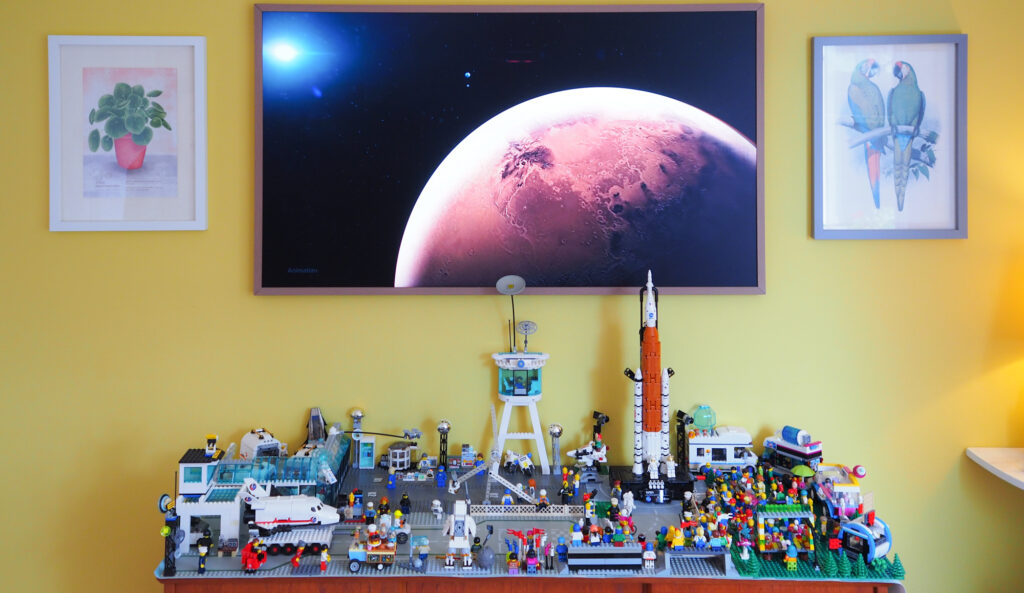
Last weekend, my niece and nephew came over for the day with one exciting purpose: to build a space rocket launch scene. We’d previously made the north pole, a shopping street and a music festival, so when we watched the Artemis II mission to the moon on TV, we’d been inspired to give it a go…
From wooden blocks to interlocking bricks: How Lego modernised classic play
I’ve always loved old‑fashioned toys – the wooden blocks, the simple shapes, the open‑ended play. They’re brilliant for imagination and motor skills, and there’s something nostalgic about watching little hands stack and topple towers just like we did when we were little. LEGO® took that idea and levelled it up.
The interlocking bricks add structure and precision, giving kids the freedom to build anything they imagine while also nudging them toward problem‑solving and planning. And unlike plain blocks, LEGO® comes with themes, characters, stories and challenges that keep kids engaged for hours. It’s the same creativity, just with more possibilities.
Lego Technic: Engineering in disguise for older kids and teens
As children get older, they naturally want more complexity – something that feels like a “proper project” rather than a toy. That’s where Lego® really comes into its own.
Technic sets are basically engineering kits masquerading as toys. They introduce real mechanical concepts like gears, torque, axles and load‑bearing structures. Teens (and adults!) learn physics without even realising it.
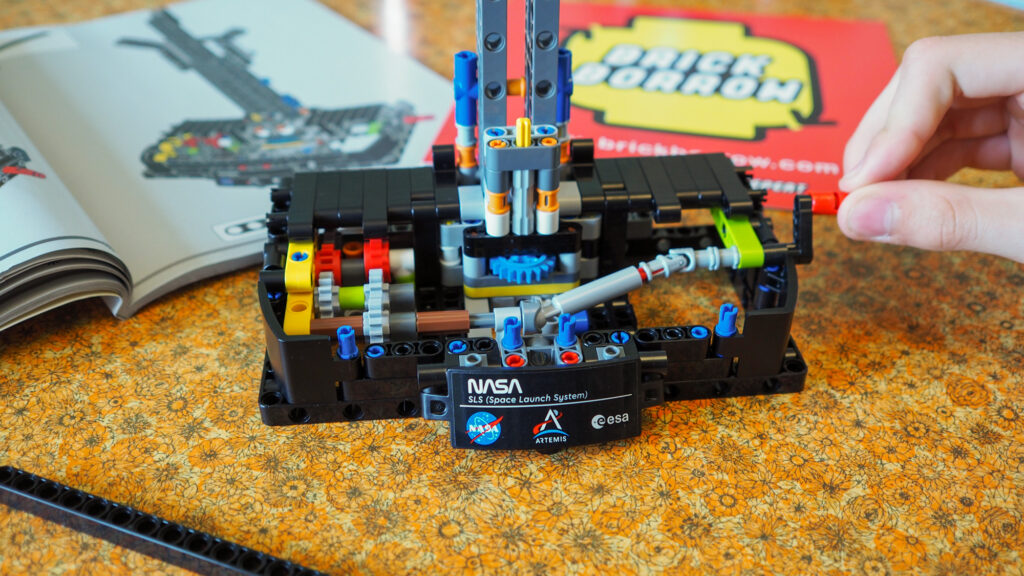
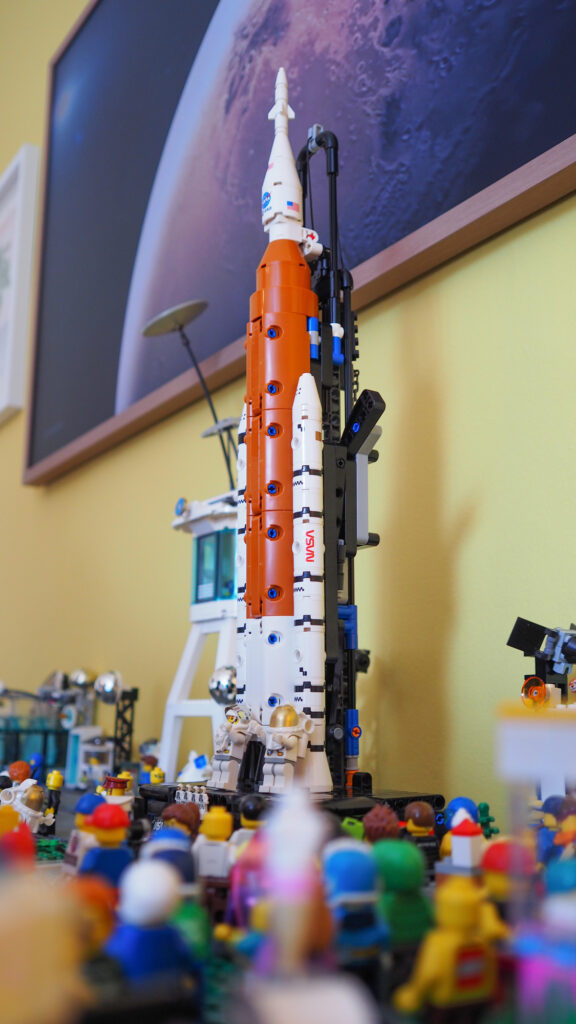
This week, my nephew and husband tackled the LEGO® Technic NASA Space Launch System – a seriously impressive build that’s a replica of the real rocket.
It took them hours, partly because it’s so technical (the building instructions were literally a manual) and partly because they were having far too much fun figuring out how everything worked. The twirly mechanism and cogs inside fascinated the kids – and me!
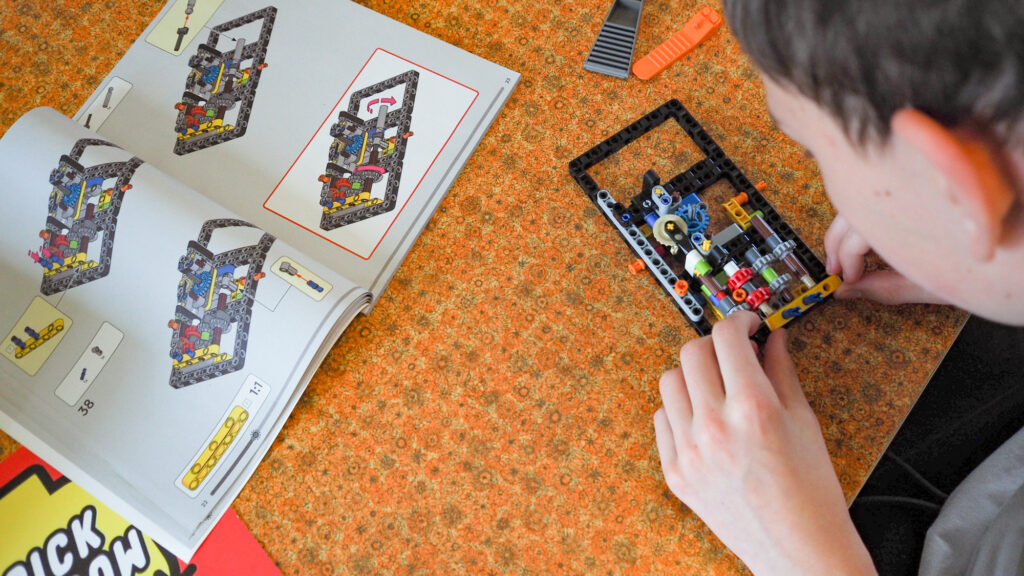
It’s the kind of project that teaches patience, sequencing, resilience and proper engineering thinking. And honestly, it’s just cool. The rocket actually launches, and the module separates during “blast off,” which caused great excitement in the living room.
We even played the music from the film 2001: A Space Odyssey as my nephew cranked the lever to send the shuttle into space.
Making Lego more affordable: How Brick Borrow helps families build big on a budget
There’s no getting around it – LEGO® can be expensive. As much as I adore the big sets (and believe me, I really do), the price tags can make your eyes water. The more detailed the build, the higher the cost, and when kids’ interests change faster than the British weather, it’s not always practical to buy every set they want to try.
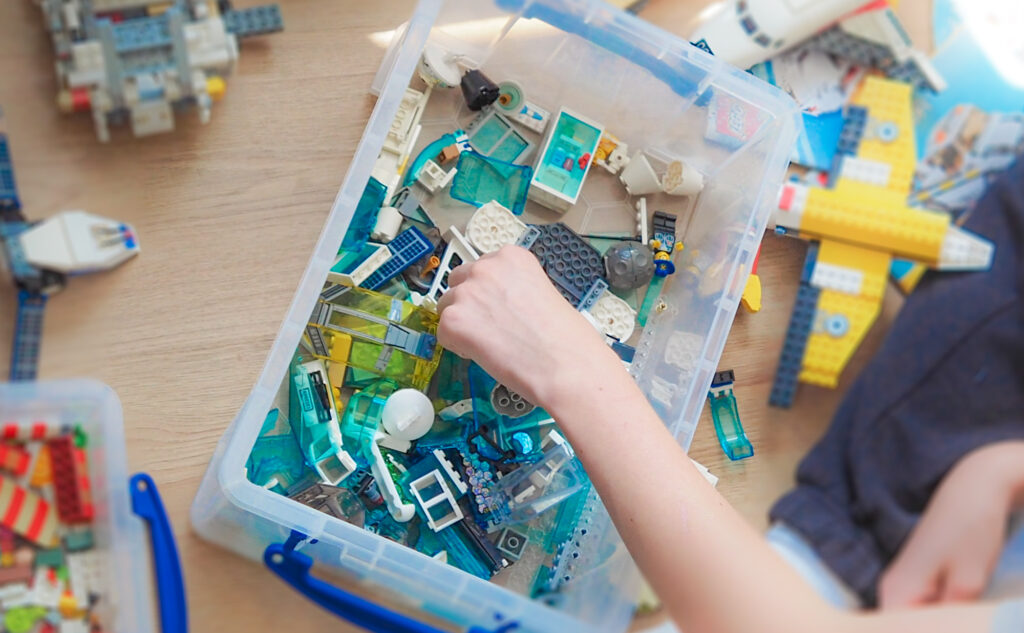
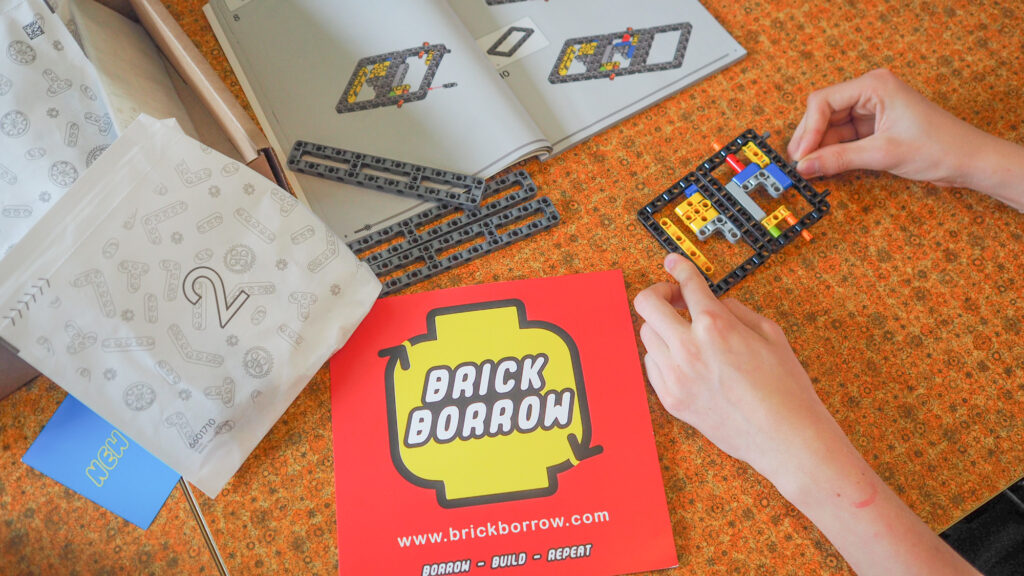
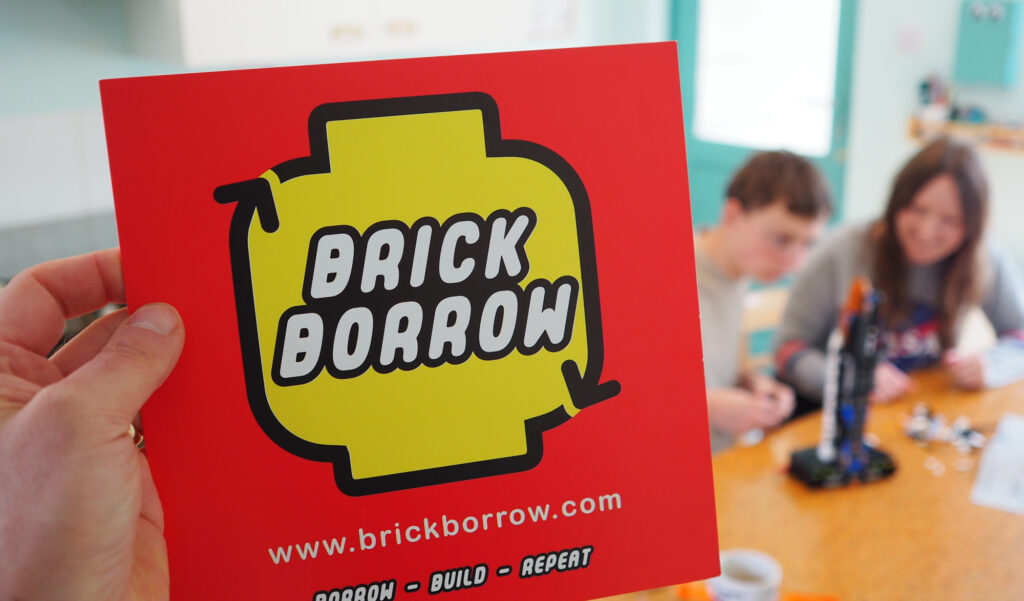
That’s why I’m such a fan of Brick Borrow, a company that has genuinely changed the way families access Lego. Instead of buying a huge set outright, you can borrow it – just like a library book, but for bricks. It means kids can enjoy those impressive, high‑end builds without the long‑term commitment of storing it, or the hefty price.
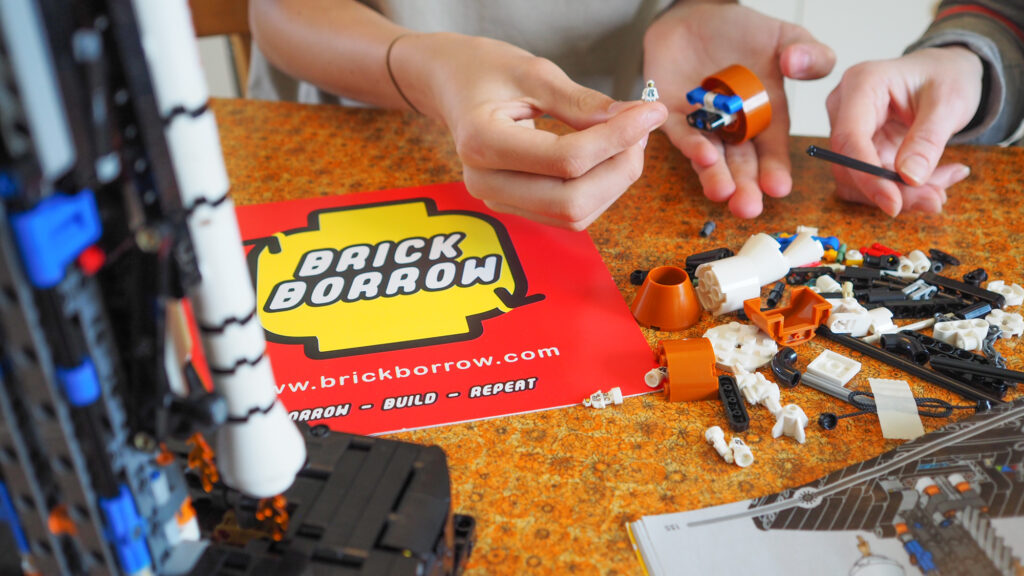
The concept is wonderfully simple:
- You choose a Lego® set from their online library – anything from small Creator builds to giant Technic masterpieces.
- They post the complete set to your home, neatly sorted and ready to build.
- You can use my referral code B44B7DC to get free shipping on your next Brick Borrow set.
- Your kids (and you!) enjoy the build.
- When you’re done, you send it back and pick your next project.
It’s perfect for school holidays when you want something engaging that won’t break the bank; the subscription plans make sure that you’re only paying a fraction of the price of buying a LEGO® set. And because Brick Borrow add new sets to their selection each week, there’s always something new to try.
When I saw they had the Artemis II Space Launch System available to borrow, that was the starting point for our entire space-themed scene. And when it arrived, it was actually a brand new set with the original bags to open and stickers to apply(!), so it’s a fresh new addition to the Brick Borrow collection that you’ll be able to borrow as soon as I return it!
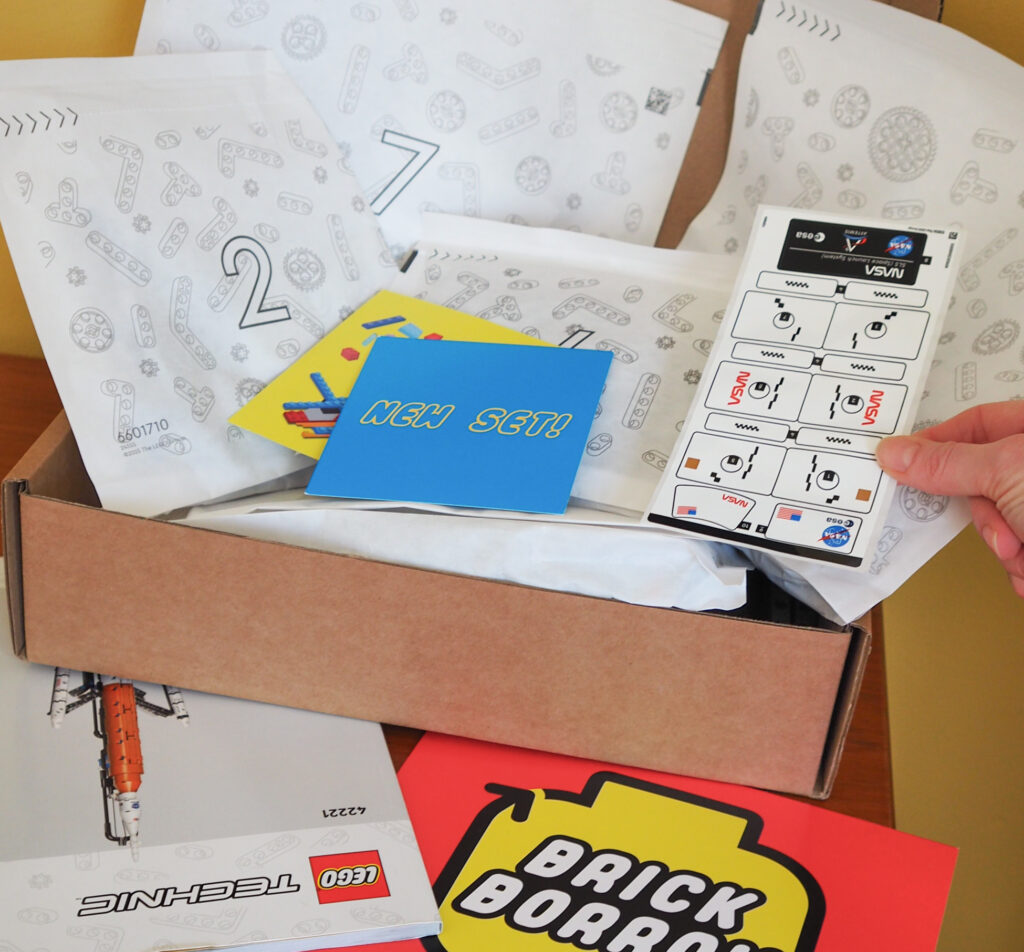
Why it’s such a game‑changer
- Affordable access to premium sets – Those £200+ builds suddenly become realistic options for families.
- No storage stress – Once you’ve finished the build and admired it for a bit, you simply send it back instead of finding shelf space for yet another enormous set.
- Encourages variety – Kids can explore different themes – space, vehicles, architecture, fantasy – without you committing to buying each one.
- Eco‑friendly – Sharing sets means fewer new boxes being produced and less plastic waste overall.
- Perfect for curious builders – If your child loves the challenge of building but isn’t fussed about keeping the model forever, this is the ideal solution.
Space‑themed Lego and the Artemis II buzz
Space has always captured kids’ imaginations, but with the recent Artemis II mission rekindling global excitement about returning to the Moon, space‑themed Lego feels especially magical right now.
If you’ve read my articles before, you’ll know I’m a space geek, with rocket and moon artwork all over my house, so I was just as excited to build this space scene as the kids were.
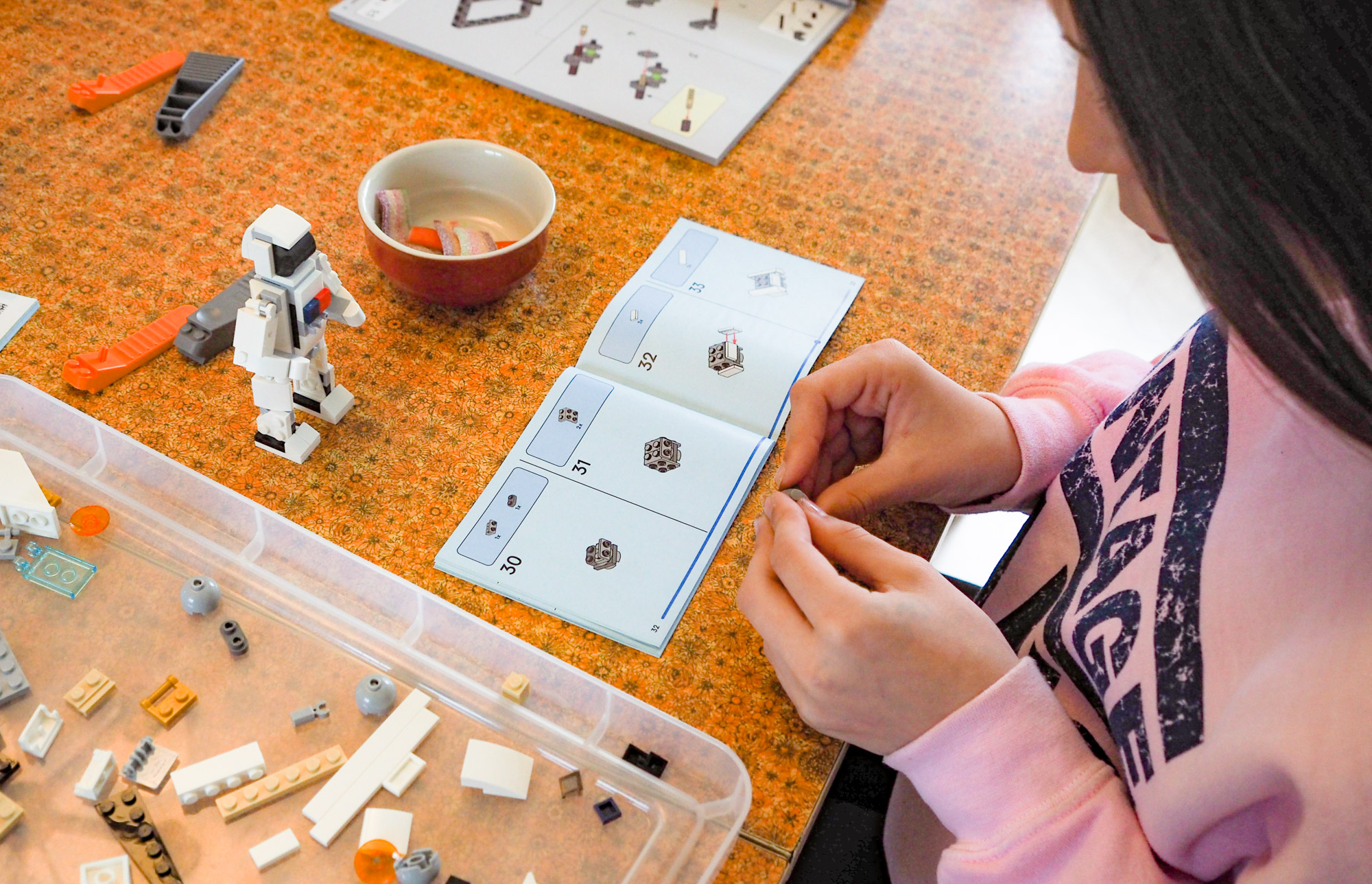
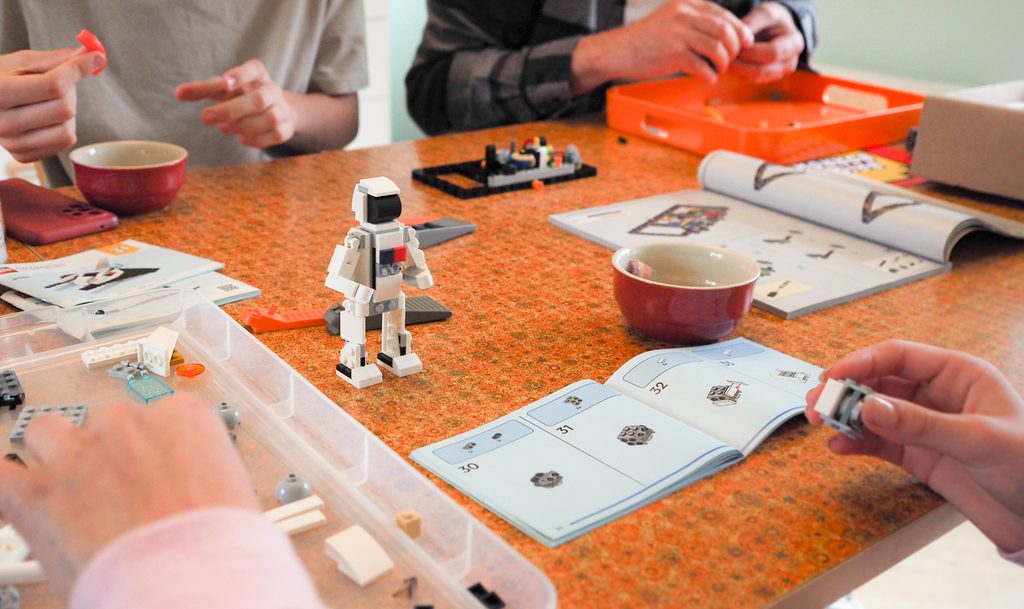
While the boys were deep in Technic‑land, my niece and I got stuck into a 3‑in‑1 Lego Creator set. It had options to build a space shuttle, a satellite or a giant spaceman. Naturally, we chose the astronaut – perfect for a “selfie moment” in the audience area of the space scene we were planning.
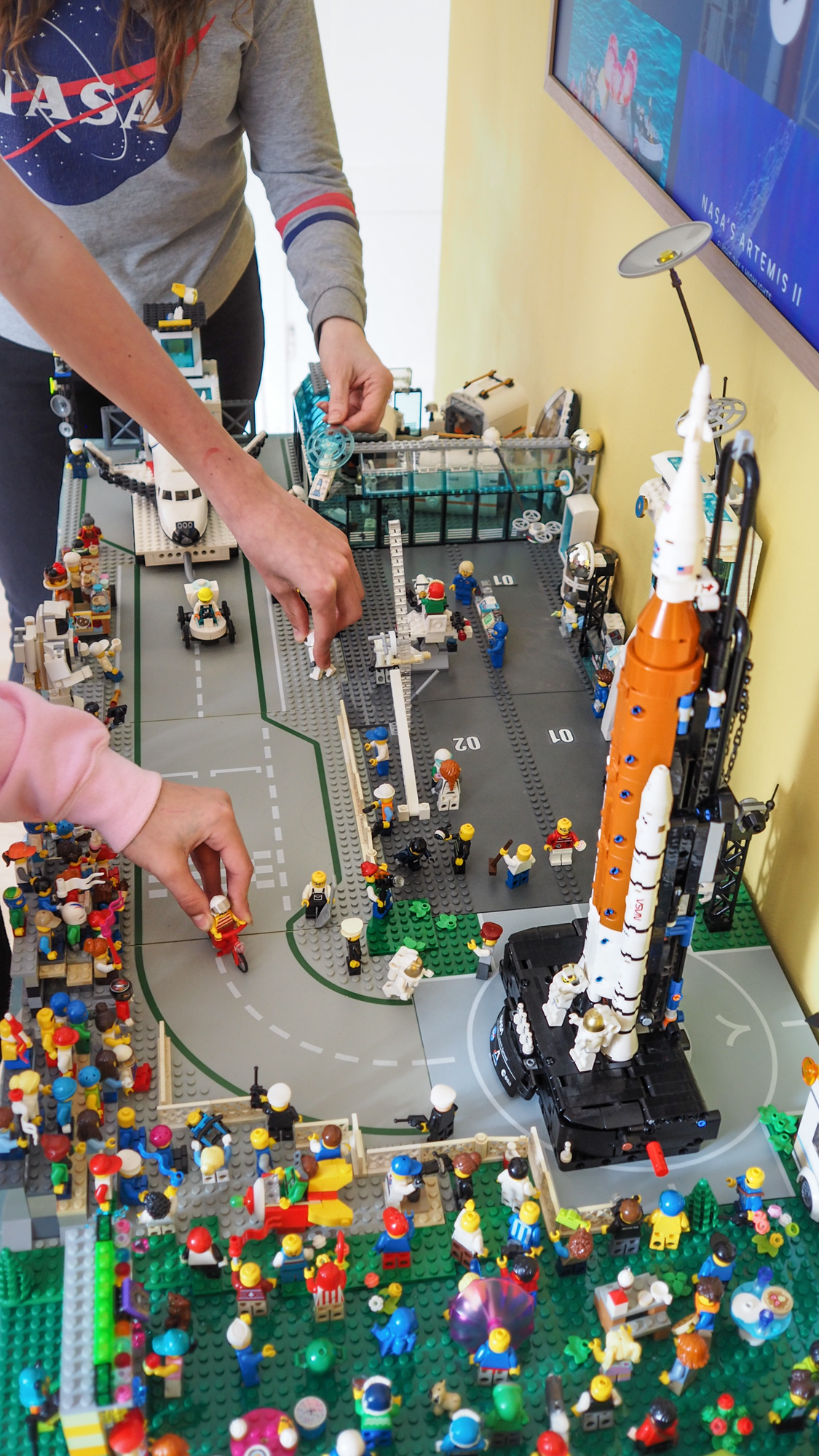
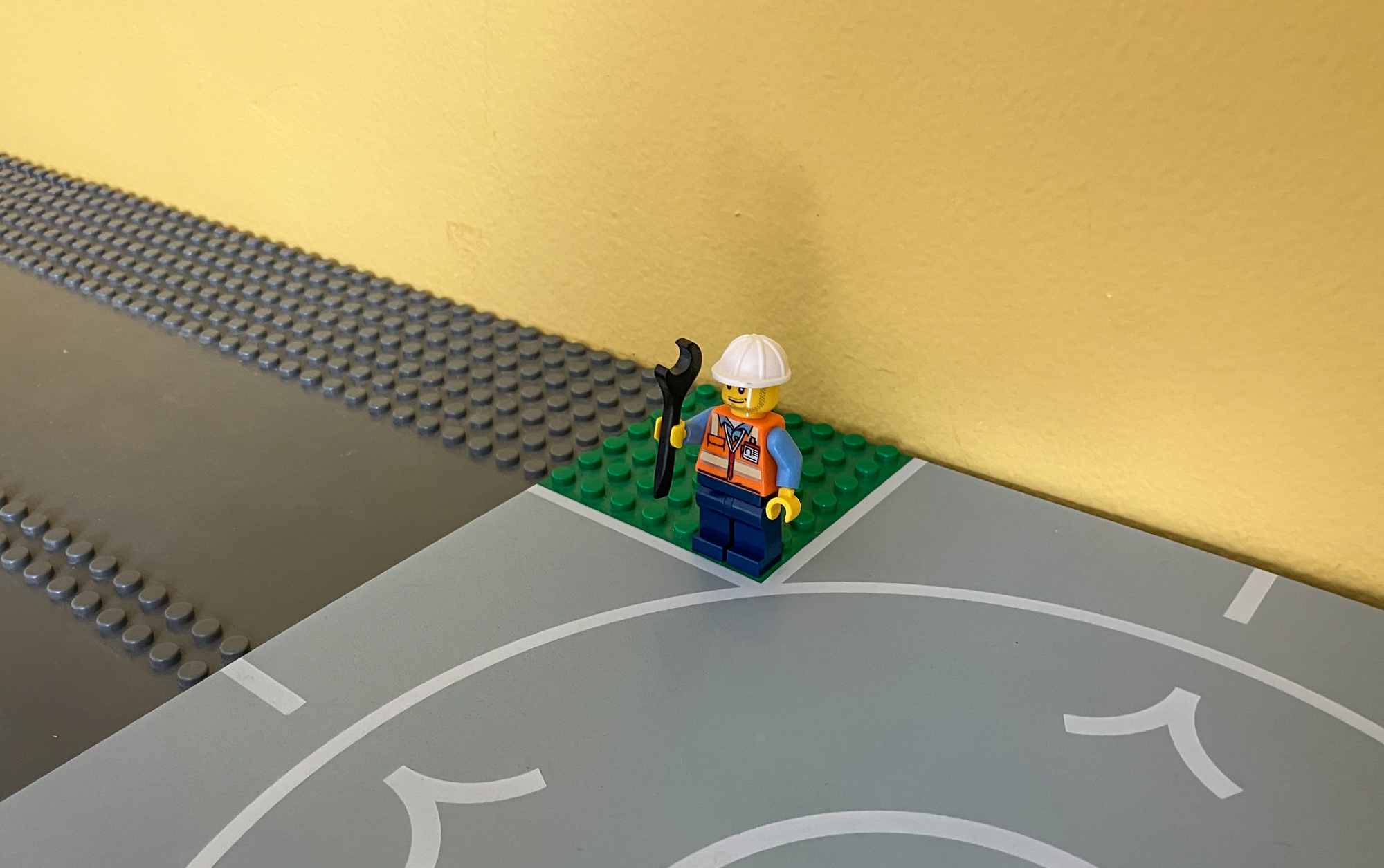
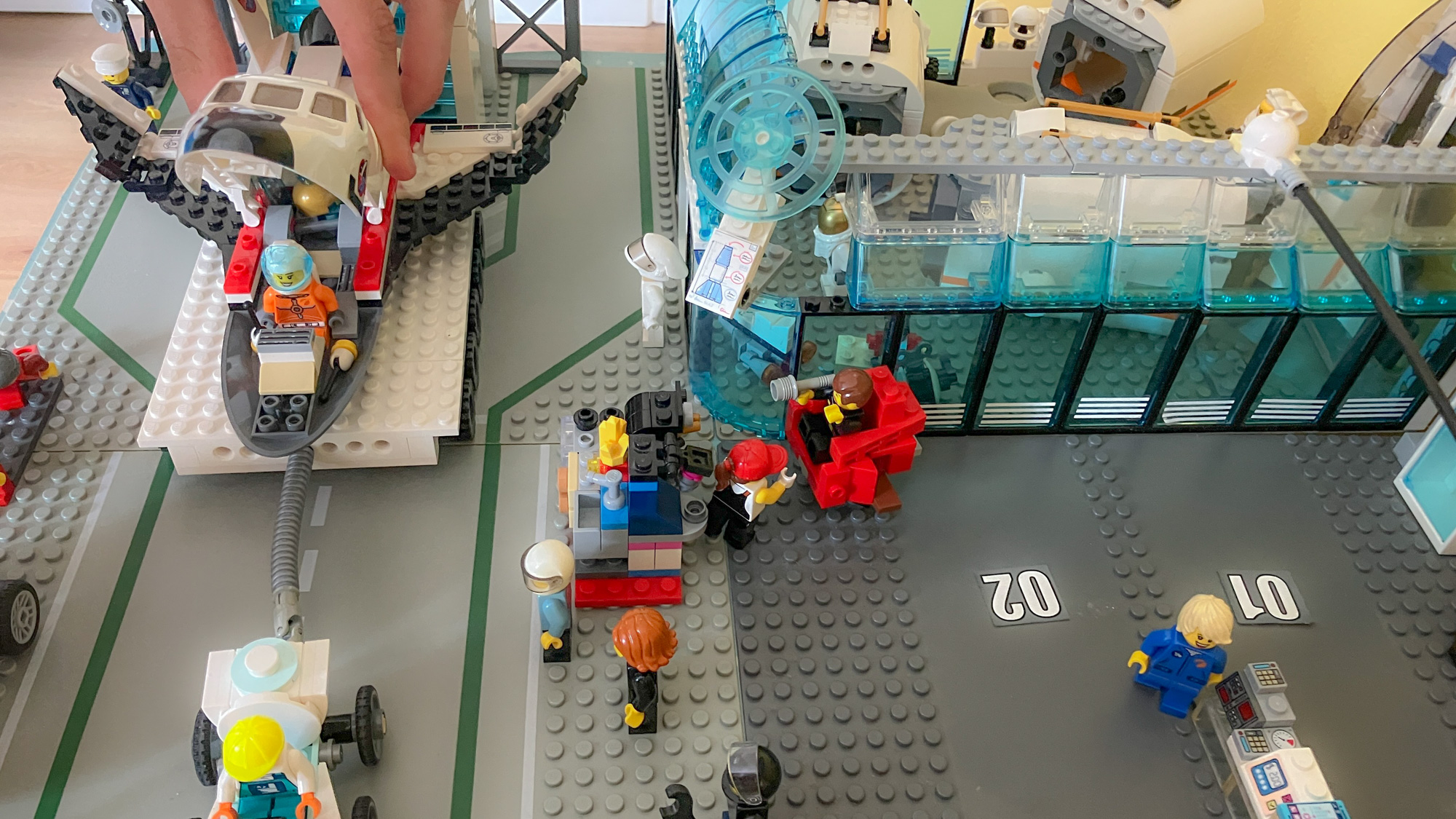
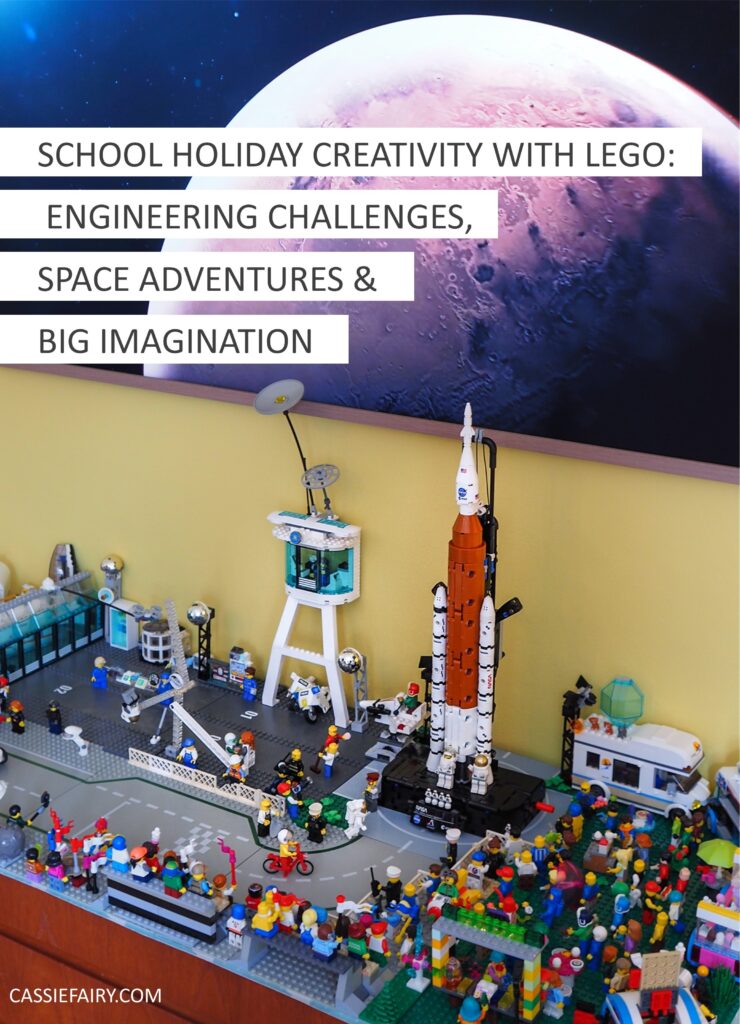
My nephew took charge of the base plates, designing a launch pad, viewing area and runway for shuttle deliveries. Then we populated the area with mini figures and the kids came up with some surprising extra details.
We all love a bit of scratch‑building, so my nephew whipped up a garage with a working roller‑shutter door, while my niece curated the food trucks and retail stalls to make a bit of profit from the audience! She imagined and then built stalls from scratch, selling ‘space gems’ and flags for the crowd.
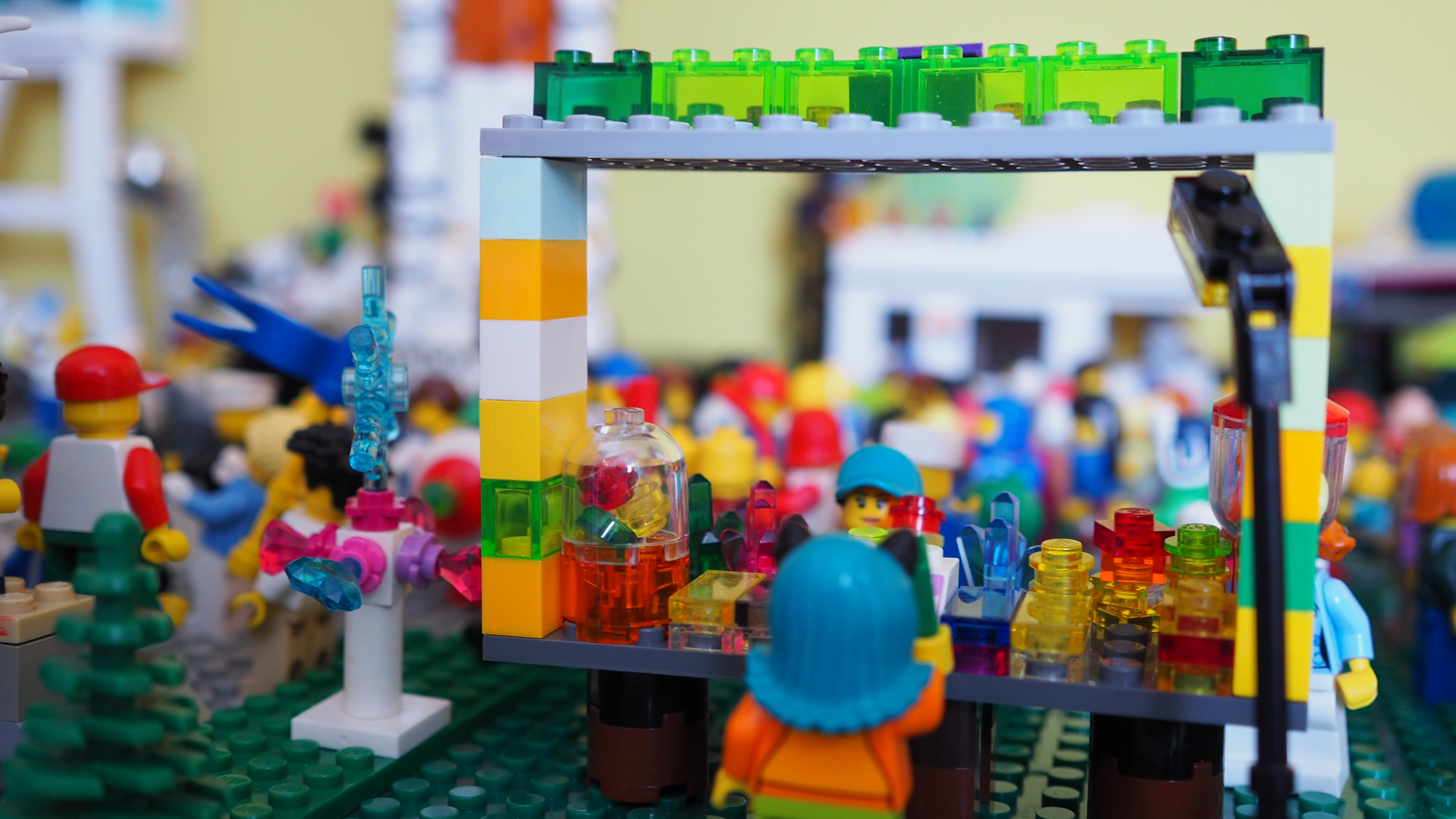
Even now, a few days later, I’m spotting extra little details in the scene that the kids added without me realising, such as a flying drone suspended over the runway and a camera crew filming the launch. I insisted on building a visitor centre, complete with exhibits from my previous space station project – spacesuits, helmets, the lot.
By the end, we had an entire space launch complex sprawled across the sideboard. And the best part? Every piece of it came from imagination, teamwork and a shared love of building.
The learning hidden inside the fun
Okay, I know the school holidays are for a little downtime BUT I love to encourage kids to learn even outside of the classroom, whether that’s a creative craft project, potting up some plants or visiting a museum, like when we went to the space exhibition at the Natural History Museum for my niece’s birthday.
For rainy days or easy-going afternoons at home, Lego has this wonderful way of teaching without ever feeling educational:
- STEM skills through Technic builds – Sets like the NASA Space Launch System sneak real engineering concepts into playtime. Kids learn how gears mesh, how structures support weight, and how mechanisms trigger movement – all while feeling like they’re just building something cool. It’s hands‑on physics without the worksheets.
- Spatial awareness from designing layouts – When the kids spread out the base plates and start planning where the launch pad, runway and visitor centre will go, they’re actually practising spatial reasoning. They’re thinking about scale, distance, symmetry and how different elements fit together to make a believable scene.
- Creative storytelling when building scenes – Once the astronaut, food trucks and rocket are in place, the storytelling begins. Who’s visiting the launch? What’s happening behind the scenes? Kids naturally start inventing characters, missions and little dramas, which boosts imagination and narrative thinking. An unexpected star of our scene was ‘Dave’, a visitor who cycled down the runway!
- Fine motor skills for younger children – For little hands, clicking bricks together is brilliant practice. It strengthens fingers, improves hand‑eye coordination and builds confidence as they see their creations take shape piece by piece.
- Teamwork and communication when building together – Whether it’s negotiating who builds what or collaborating on a scratch‑built control tower, Lego encourages kids and teens to talk, share ideas and solve problems together. It’s a gentle way to practise cooperation without it feeling like a “lesson.”
- Confidence from completing something complex – There’s nothing quite like the moment a child steps back from a finished build – especially a big one – and says, “I made that.” Completing a challenging set or a detailed scene gives them a real sense of achievement and pride.
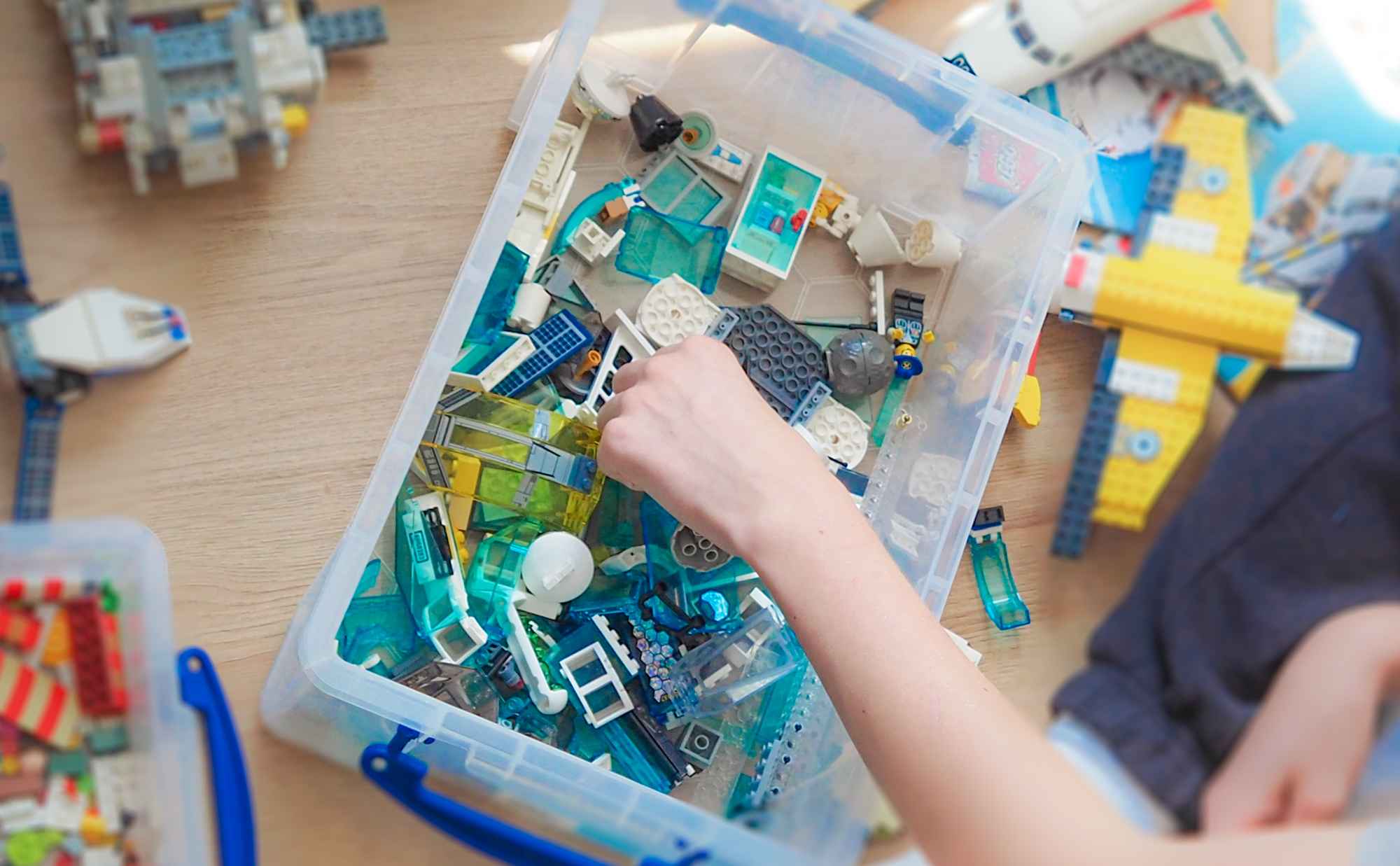
And during the school holidays, when screens can easily take over, LEGO® offers a calming, mindful alternative that keeps youngsters absorbed for hours. I’m not kidding when I say we spent a whole day working on this scene – with lunch and movement breaks, of course!
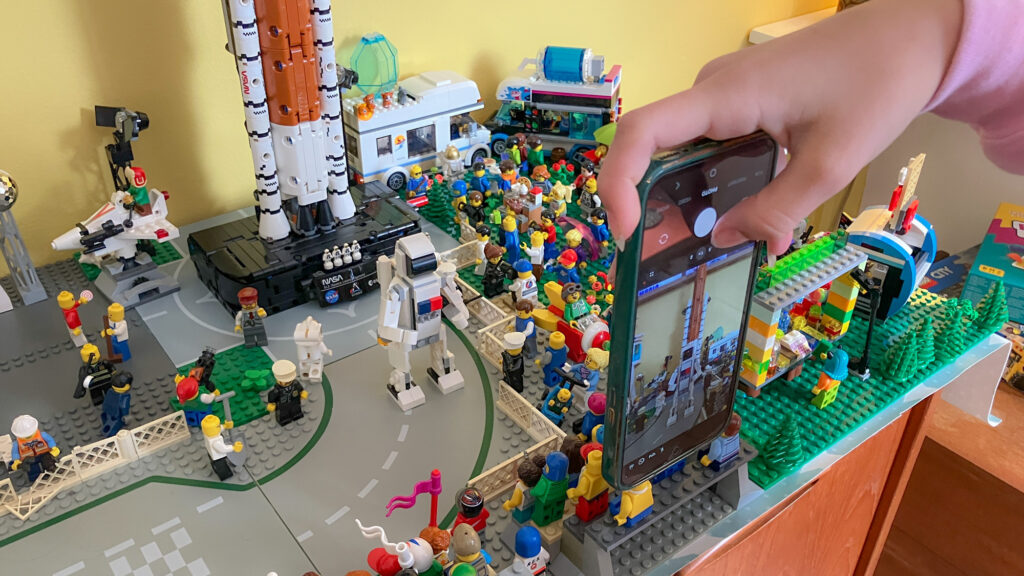
After the build was complete, these teenagers picked up their phones – but only because they wanted to spend more time photographing the scene and editing the photos. We filmed the launch sequence (with the Space Odyssey music), detailing all the moving parts. The kids even used a stop-motion animation app to film a sequence of mini-figures moving around the scene – and that rogue cyclist crashing on the runway!
A holiday lifesaver for parents (and aunties!)
Whether you’re hosting nieces and nephews, entertaining your own kids, or just looking for something fun to do as a family, Lego is one of those rare activities that works for every age. Younger children can free‑build while older ones tackle advanced sets. Adults get just as involved – sometimes more so! And the memories you make while building together? Those last far longer than the school break.
From simple blocks to sophisticated engineering kits, LEGO® has evolved into something truly special. It sparks imagination, teaches real‑world skills, and brings people together, whether your child is imagining lunar landings, building their dream home or racing supercars around a track.
This school holiday, I can’t think of a better way to spend an afternoon than surrounded by bricks, creativity and a couple of enthusiastic kids joyfully building their next big adventure. Let me know if your family loves LEGO® too in the comments below, I’d love to hear what you’re building next. 🙂
Pin it for later
This article is a sponsored collaboration. The pink links in the content indicate a sponsored link or information source. The blog post reflects my own experience and the sponsor hasn’t had any control over my content 🙂